Can a Car Be Declared Totaled Without an Accident
Yes, your car can be declared a total loss from theft, fire, flood, hail or vandalism, with no collision involved at all.

These non-crash events can total your car
- Theft and recovery If your car is stolen and later found stripped or damaged, the insurer compares repair cost to value. Ask your adjuster exactly what was damaged during the theft before you agree to anything.
- Hail and storm damage Hail can total a car by denting panels and roof across the whole body, even with no broken glass. Get an independent estimate if the insurer's number feels low for the damage you see.
- Fire damage Engine fires, electrical fires or a fire that spreads from nearby can total a car even if the body looks mostly fine. Smoke and heat damage to wiring and interior often costs more to fix than it looks like from outside.
- Flood exposure Water in the cabin or engine can total a car because of hidden electrical and corrosion damage. Don't try to dry it out and drive it before an adjuster sees it, since that can affect your claim.
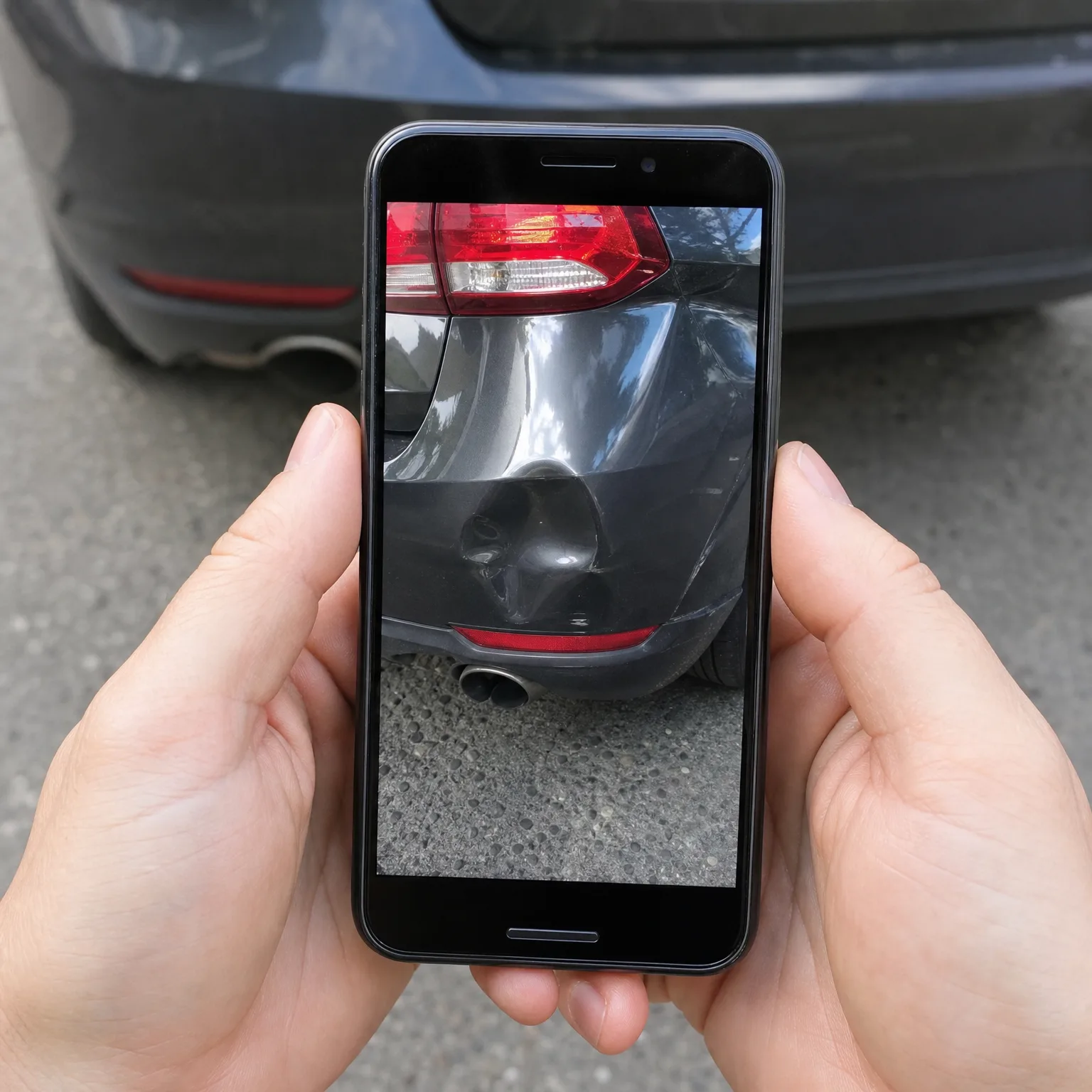
- Vandalism Broken windows, slashed interiors or keyed paint across the whole car can add up to a total loss. Document everything with photos before cleanup starts.
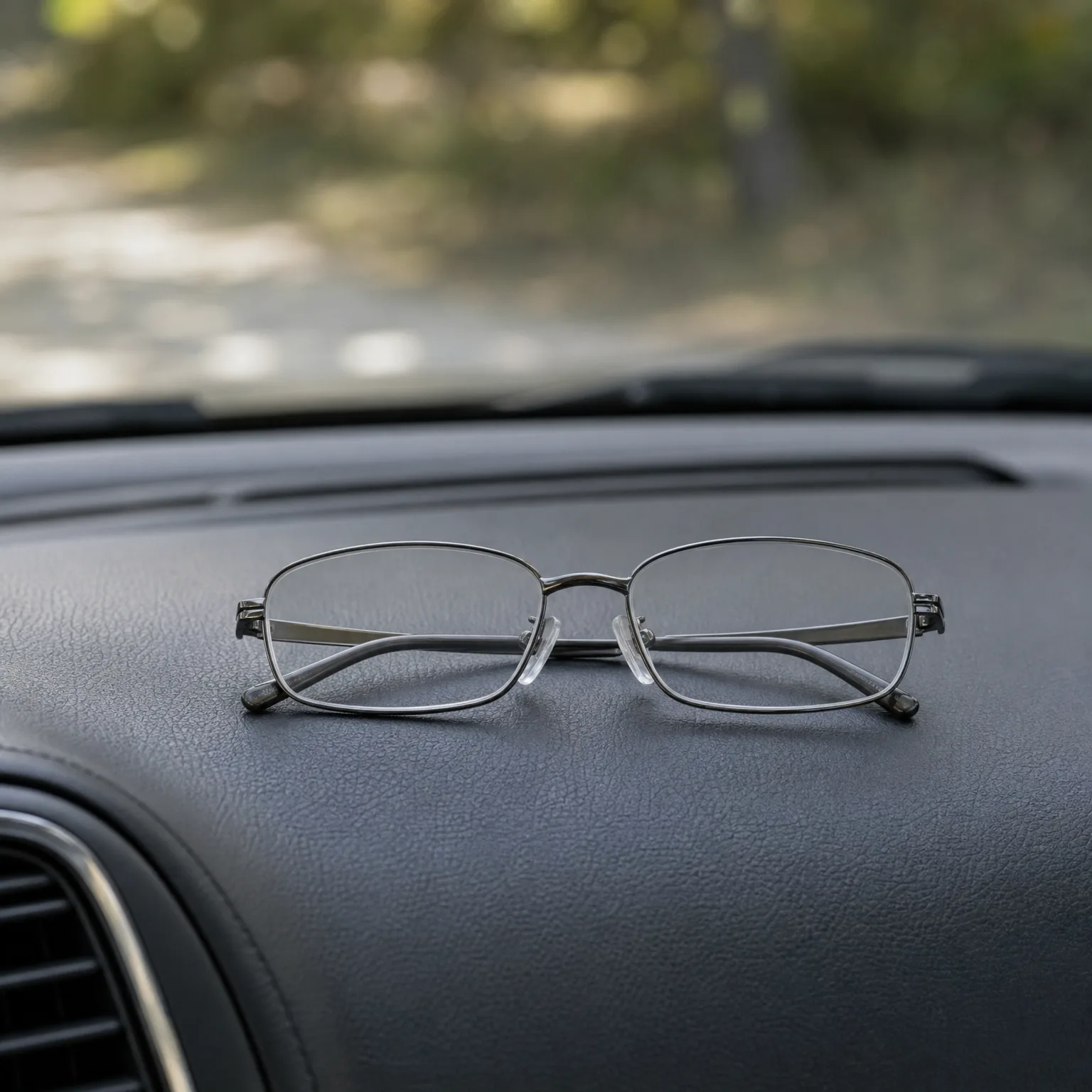
A paid-off car that was totaled by hail, not a crash
A reader had an older sedan, paid off years ago, parked outside during a severe hailstorm. No collision, no crash, just a long storm that left dents across the hood, roof and trunk and cracked the rear windshield. The car still ran fine and could be driven home afterward, which made the total loss letter feel confusing at first.
The insurer sent an adjuster who itemized the dent repair across every panel, the glass replacement and the paint work the dents required. Added together, the repair estimate came close to what the car was worth before the storm. Because the owner carried comprehensive coverage, which is the part that covers non-crash events like hail, the claim was paid out based on the car's pre-storm value minus the deductible. The owner used the payout toward a comparable used car instead of paying for repairs that would have cost nearly as much as the car itself.
Does liability-only coverage protect you from any of this?
No. Liability-only covers damage and injury you cause to others, not damage to your own car from theft, fire, flood, hail or vandalism. If you drop comprehensive coverage, any of these events leaves you paying out of pocket for repairs or replacement.
This is the core tradeoff when you're deciding what to keep on a paid-off car. Comprehensive coverage tends to cost less than collision because non-crash claims are often cheaper to settle, so many owners who drop collision still keep comprehensive. If you're keeping the car for years and it would be a real loss to replace, comprehensive is worth weighing on its own, separate from the collision decision.
Once you know whether comprehensive coverage fits your car's value, compare quotes to see what it actually costs.

Deciding whether to keep comprehensive coverage
If you do
You keep protection against theft, fire, flood, hail and vandalism, events that have nothing to do with how carefully you drive. If one happens, you get a payout based on the car's value instead of covering the loss yourself. You pay a premium for that protection every term, whether you use it or not.
If you don't
You keep the premium savings, which can be meaningful since comprehensive is usually the cheaper of the two coverages. But if the car is stolen, flooded or damaged by hail or fire, you cover the entire loss yourself with no payout, even though none of those events involved your driving at all.
How is the payout calculated when a car is totaled without a crash?
It's based on the car's actual cash value right before the loss, not what you paid for it or what repairs would cost. The insurer looks at comparable sales for similar year, mileage and condition in your area, then subtracts your deductible. Check your policy for how it defines value and whether it accounts for recent maintenance or upgrades, since that can shift the number.
Can I keep my totaled car instead of accepting the payout?
Often yes, through a salvage retention option, though the payout is reduced by the car's salvage value and you'll need a salvage or rebuilt title to drive it again. Check with your state's motor vehicle agency about what inspections or paperwork that title requires, since rules vary. Ask your insurer early, since not every policy offers this option the same way.
Will my rates go up after a non-crash total loss claim?
It depends on your insurer and the cause. Comprehensive claims for theft, weather or vandalism are often treated as not-at-fault events and may affect rates less than a collision claim would. Check with your insurer directly, since how much a single claim affects your premium varies by company and by state.