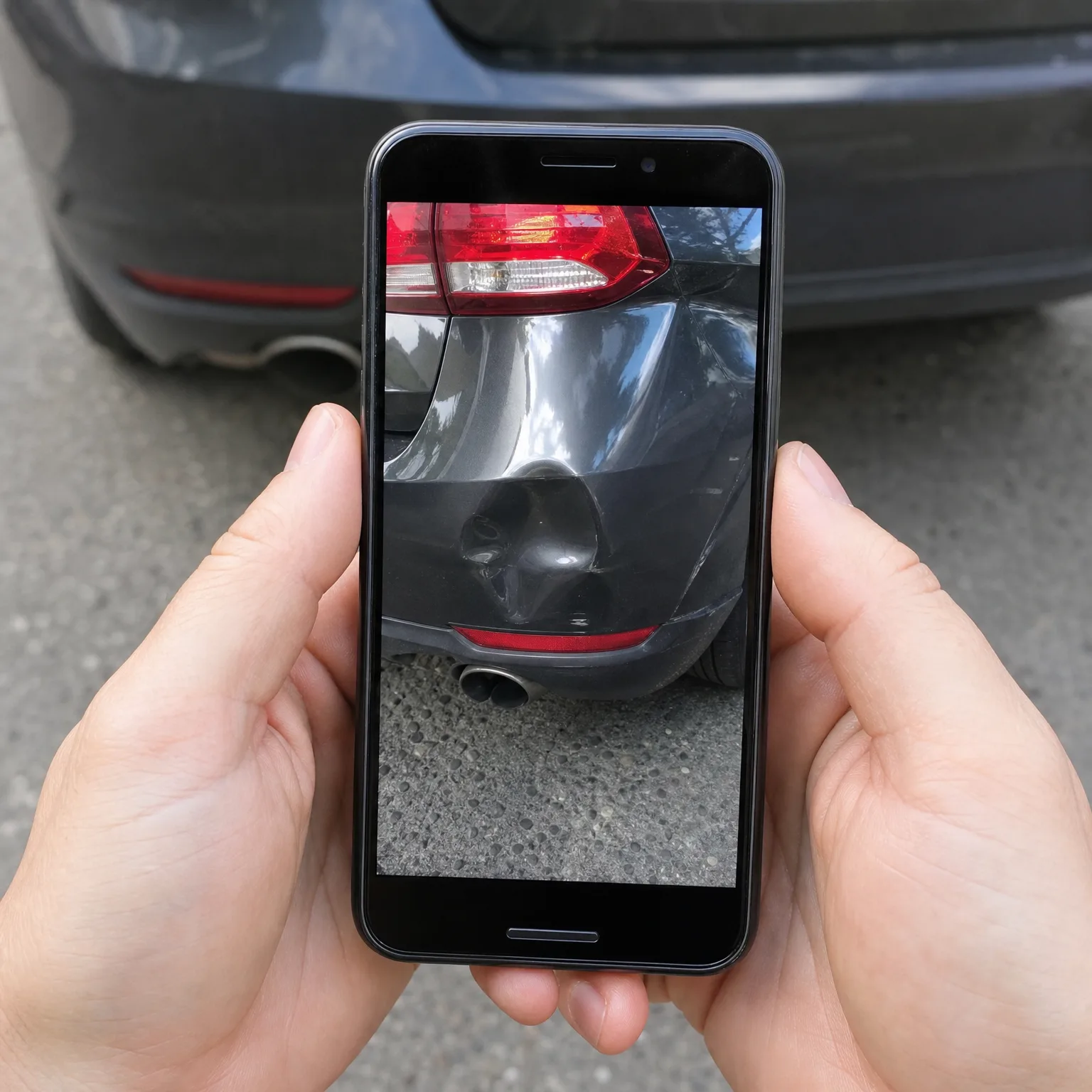
Do I Need Full Coverage on a Paid Off Vehicle
No, nobody requires it once the loan is gone, so the real question is whether your car's value still justifies the premium you're paying.
Weigh the car's value against what you'd pay to insure it
- Check the car's value Look up what your car would sell for in its current condition, not what you paid. This number is what collision and comprehensive would actually pay you, minus your deductible.
- Compare value to premium Add up what collision and comprehensive cost you over a year. If that cost is a large share of what the car is worth, you're paying heavily to protect a small payout.
- Know liability's limits Liability pays for damage you cause to others, not your own car. If you drop collision and comprehensive, a crash, theft or hailstorm means you pay for repairs or replacement yourself.
- Think about replacing the car If losing this car tomorrow would strain you financially, keeping some coverage may be worth it even if the payout is modest. If you could absorb that loss easily, dropping coverage makes more sense.
- Separate the two coverages You don't have to drop both together. Comprehensive covers theft, weather and vandalism and often costs less, so some owners keep that and drop collision alone.

An owner with a ten year old sedan decides what to drop
A reader owned a sedan that had been paid off for several years. It ran well and she planned to keep driving it, but she noticed her premium hadn't changed even though the car's value clearly had. She looked up what the car was worth in its current condition and compared that to what she was paying each year for collision and comprehensive combined.
The gap surprised her. The car wasn't worth much anymore, and a big chunk of her premium was going toward coverage that would only pay out a modest amount if the car were totaled. She decided to drop collision, since that covered crash damage and the payout would barely cover a deductible anyway, but she kept comprehensive because theft and hail were real risks in her area and that coverage was cheap. She kept liability at the level she'd always carried. A few months later a windstorm damaged her windshield and a side mirror, and comprehensive covered it. She never missed collision.

Dropping collision and comprehensive on your paid off car
If you do
You stop paying for coverage on your own car and keep only liability. If you crash, hit an object, or the car is stolen or damaged by weather, you pay for repairs or a replacement car entirely out of pocket. Your premium drops right away.
If you don't
You keep paying for collision and comprehensive at your current rate. If the car is totaled or stolen, you get a payout based on its current value minus your deductible, which may be modest for an older car. You're protected but possibly overpaying.
Once you know which coverage still makes sense for your car, compare quotes to see what that protection actually costs.

How much is my car actually worth for insurance purposes?
It's the current market value for a car in similar condition, age and mileage, not what you paid or what you think it's worth sentimentally. Insurers use pricing guides and local sale data to estimate this at claim time. You can get a rough number yourself through used car valuation tools before deciding whether collision and comprehensive are worth keeping. If the number is much lower than you expected, that's a strong signal the payout wouldn't offset the premium.
What happens if my paid off car is totaled with only liability coverage?
You get nothing from your own insurer toward replacing it, since liability only pays for damage you cause to others. You'd need savings or financing to replace the car entirely on your own. This is the real tradeoff of dropping collision and comprehensive, so it matters most if you couldn't easily afford to replace the car without help. If replacing it would be hard, keep at least comprehensive, since it's usually the cheaper half.
Does dropping full coverage affect my insurance rate for other cars?
Not directly, since coverage choices are usually set per vehicle, not per policy overall. But check with your insurer, because some bundle discounts or rate calculations work differently when a policy covers multiple cars with different coverage levels. If you have more than one car on the same policy, ask specifically how dropping coverage on one affects pricing on the rest before you decide.
The coverage made sense when a lender required it. Now it only makes sense if the payout matches the premium.