How Do Insurance Companies Decide Car Value
Insurers price your car at what similar ones are selling for near you right now, not what you paid or what you think it's worth.
The payout is built from actual sales, not a formula in your head
When you file a claim on a totaled or stolen car, the insurer isn't guessing. They pull recent sale prices for the same year, make, model and trim in your area, adjust for your car's mileage, condition and options, and land on a number called actual cash value. That number is what they owe you, minus your deductible, regardless of what you paid originally or what you've spent keeping it running.
This is why two identical-looking cars can get different payouts. A car with low mileage, a clean history and recent maintenance records will value higher than the same model with heavy wear or a rough history. Insurers often use third-party valuation reports or regional market data to build this number, and you can usually ask for the report and challenge it with your own comparable listings if it looks low.
The gap between this value and your coverage cost is exactly what you're weighing when you consider dropping comprehensive or collision. If the car's market value has dropped to a small fraction of what full coverage costs you each year, the math starts favoring liability-only, because the most the insurer would ever pay you is that shrinking number. If the car still has solid resale value, the coverage is still doing real work.
Where this varies is in how insurers define condition adjustments and which valuation sources they trust. Some weigh private-party sale prices heavier, others lean on dealer listings. Ask your insurer directly how they'd value your specific car today, not generally, so you're comparing your real payout against your real premium.
What actually drives the number they give you
- Recent comparable sales They look at what similar cars sold for recently in your area. Pull your own comps from local listings so you know what range to expect before you ever file a claim.
- Mileage and condition Lower mileage and documented maintenance push the value up. Keep service records and recent repair receipts somewhere you can find them fast.
- Depreciation curve Older cars lose value every year regardless of how well you've kept them. Check your car's current value now, not the value from when you last renewed.
- Your deductible math The payout is the value minus your deductible, so a low value with a high deductible can leave you very little. Compare that leftover number against your annual premium for collision and comprehensive.
- State and insurer rules differ How condition adjustments and total-loss thresholds are calculated varies by insurer and sometimes by state. Ask your insurer to explain their specific method for your car.
A paid-off sedan after a hailstorm
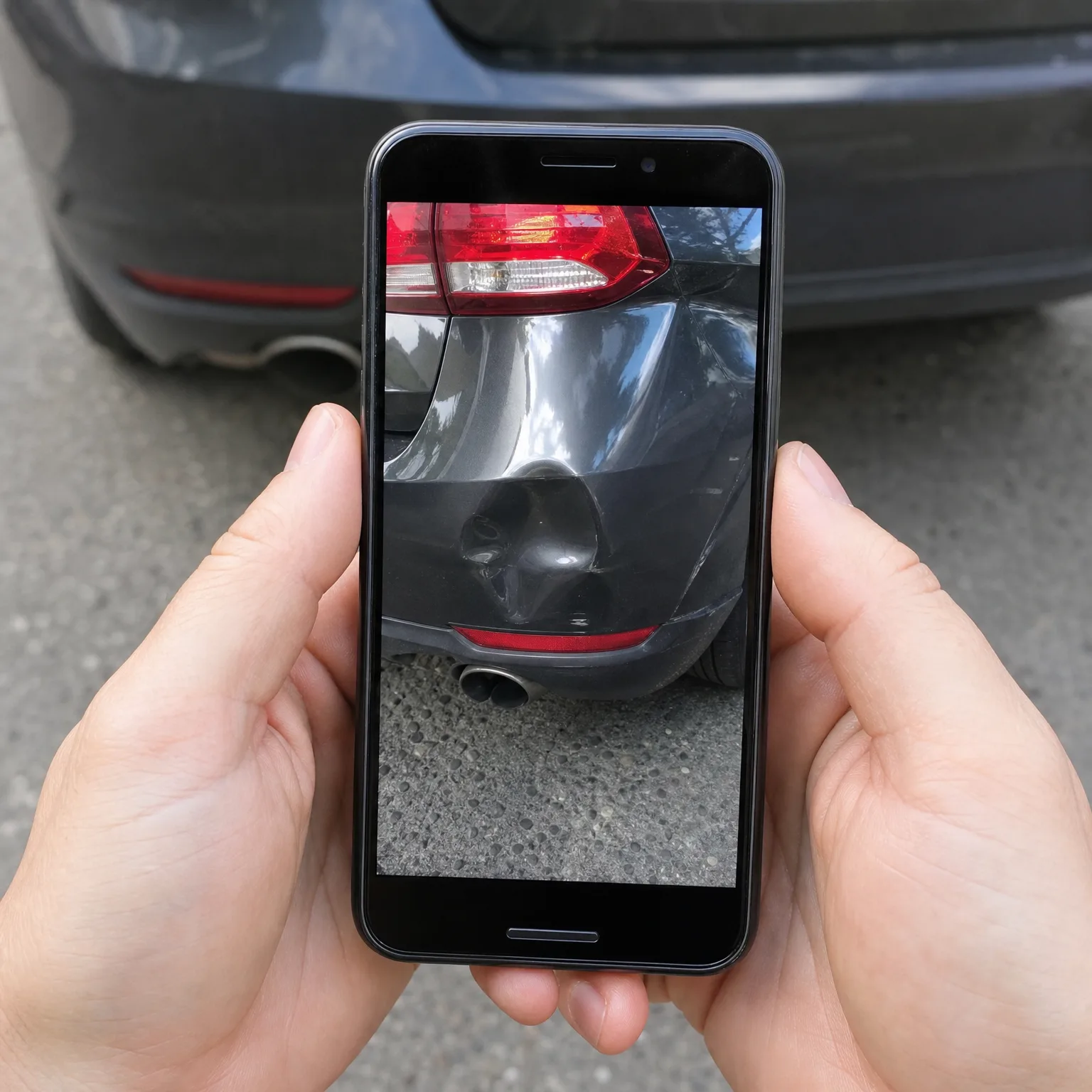
A reader owned a ten-year-old sedan outright, still driving it daily, and a hailstorm left the roof and hood dented badly enough that the body shop called it a likely total loss. The insurer sent an adjuster who pulled comparable sales from dealerships and private sellers within a set radius, factored in the car's higher-than-average mileage, and came back with a value well below what the reader expected based on online estimates alone.
The reader pushed back by gathering three comparable listings for the same model and trim with similar mileage, all priced higher than the insurer's number. They submitted these directly to the claims adjuster along with maintenance records showing a recent transmission service. The insurer revised the offer upward, though not all the way to the reader's comps, landing somewhere in between. The reader accepted, used the payout toward a replacement car, and afterward reconsidered whether comprehensive coverage made sense on an older vehicle going forward, deciding to keep it only because hail damage in that region was common enough to matter.
Once you know what your car would actually pay out, compare quotes with that number already in hand.

Whether you check your car's value before deciding on coverage
If you do
You'll know the real ceiling on any payout before a claim happens. You can compare that number honestly against what collision and comprehensive cost you each year, and decide with facts instead of a guess. If a claim comes, you won't be surprised by the offer.
If you don't
You're deciding coverage blind, using either the price you paid years ago or a vague guess at what it's worth now. If the car is totaled, the payout may be far lower than expected, and you'll have paid for coverage without knowing what it was really worth to you.
Can I negotiate the value an insurer gives me?
Yes, within limits. The value they offer is based on comparable sales data, and if you can show that data is wrong or incomplete, insurers will usually revise their number. This works best when you bring specific comparable listings for the same year, make, model and trim, ideally with similar mileage and condition, sold recently and near you.
It works less well if your comps are far away, much newer, or missing key details like mileage. Insurers weigh documented condition heavily too, so maintenance records and repair receipts strengthen your case. If the gap between their offer and your evidence is large, ask for the valuation report they used and compare it line by line. Some insurers have a formal appeal process for this, so ask directly what yours requires.
Your car's insurance payout is a current market number, not a loyalty reward for years of care or payments.