Repairs vs Payouts on Older Cars
On an older car, insurers pay what the car was worth right before the crash, not what it costs to fix it.
Payouts are capped by the car's value, not the repair bill
When you carry collision or comprehensive coverage, the insurer promises to pay for damage up to the car's actual cash value, never the full cost of repairs if that cost runs higher. Actual cash value means what similar cars of the same age, mileage and condition were selling for in your area right before the crash. On a newer car those two numbers, repair cost and value, usually sit close together. On an older car they can split apart fast, because the car's value keeps dropping while repair costs for labor and parts don't drop with it.
That gap is why insurers total a car instead of fixing it. If the repair estimate comes in above a threshold the insurer sets relative to the car's value, they'll declare it a total loss and cut you a check for the value instead of paying the shop. You keep the check, they keep the wreck, and you're back to shopping for another car. This isn't the insurer being stingy. It's the math of the policy working exactly as written.
Where this plays out differently is in how insurers calculate that value and what they do with a near-total loss. Some use regional sales data, some use national guides, and the settlement offer can vary based on which one your insurer uses and how well your specific car's condition and options are documented. A few insurers will let you keep the wreck and take a reduced payout instead of surrendering the car. Check your policy or ask your agent how total loss is defined and calculated where you live, since this is one of the places state rules and insurer practice both matter.
A fender bender that became a payout instead of a repair
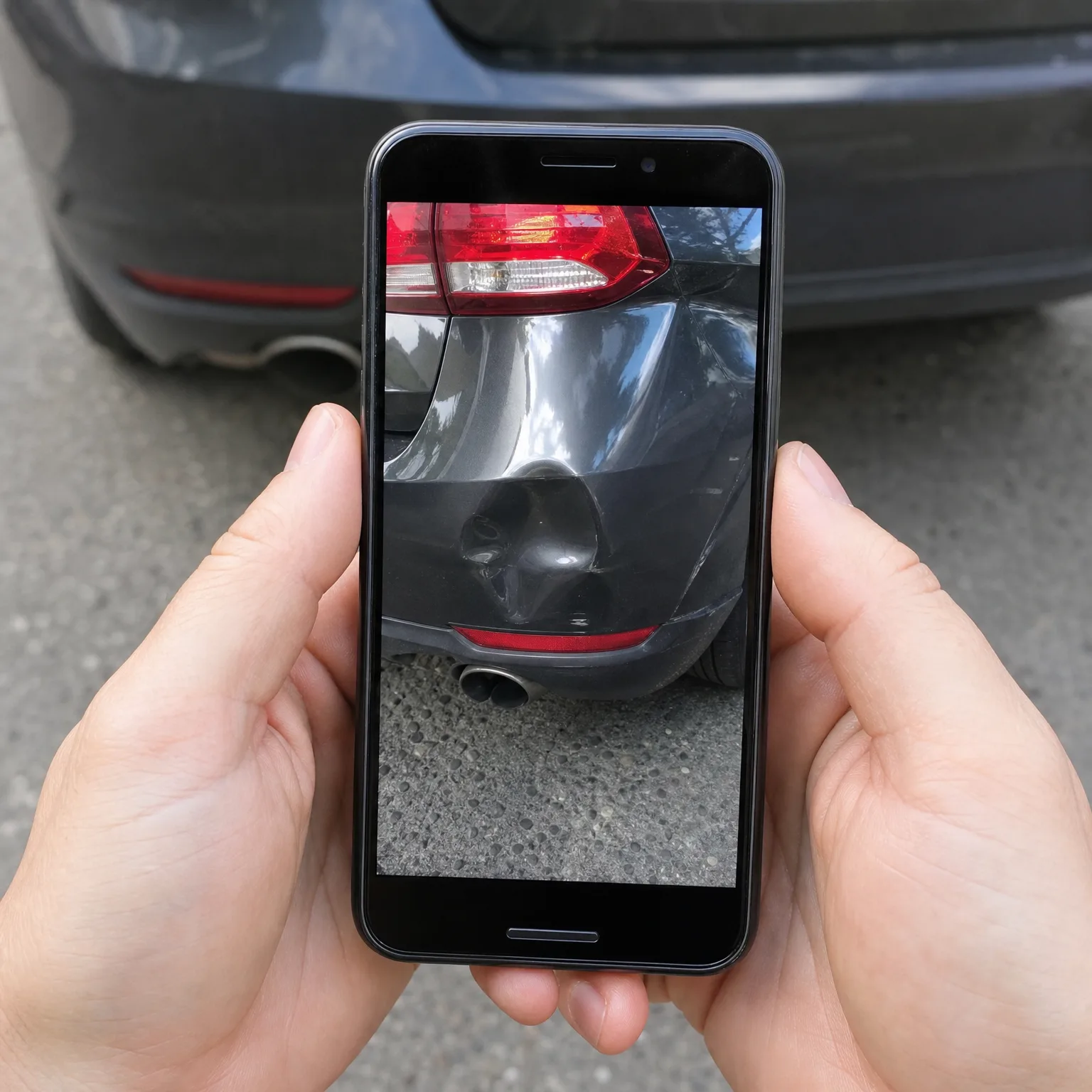
Say you're driving a twelve-year-old sedan with collision coverage still on it, and someone rear-ends you hard enough to crumple the trunk and knock the frame out of alignment. You take it to a shop, expecting a repair bill and a loaner car for a week. Instead the estimate comes back high, because frame work and labor cost about the same on an old car as a new one, even though your car isn't worth much on paper.
The insurer runs the numbers, compares the repair estimate to your car's cash value, and comes back with a total loss instead of a repair authorization. You get a settlement check based on what the car was worth the day before the crash, not what you paid for it years ago and not what the repairs would have cost. You use that check as a down payment on a replacement, and the wrecked sedan goes to salvage. It feels abrupt if you weren't expecting it, but it's the coverage doing what you paid for, just not in the form you pictured.
Can I keep my totaled car instead of handing it over?
Often yes, though it depends on your insurer and sometimes your state. Instead of taking the full settlement, you can usually ask to keep the car and have the insurer subtract what they'd have gotten selling it for salvage from your payout. You get a smaller check and a car with a salvage title, which affects its resale value and may complicate future insurance or registration.
This route makes sense if the car still runs, you were planning to drive it as is, or you want the parts. It makes less sense if the damage affects safety or you'd need to sink more money into it than the reduced payout saves you. Ask your insurer directly what keeping the car would mean for your specific payout before you decide.
Once you know how a payout works on your car's value, compare quotes with your coverage choice already decided.

Keeping collision and comprehensive versus dropping them
If you do
If you keep both, a bad crash, hailstorm or theft gets you a check based on your car's current value, enough to put toward another car even if it's less than you hoped. You're protected from the one bill you couldn't easily absorb. You keep paying premiums for a payout that shrinks every year.
If you don't
If you drop collision and comprehensive, you stop paying for that shrinking payout and the premium drops right away. But a crash that's your fault, a stolen car or storm damage becomes entirely your cost to absorb, with no insurer check coming at all.
What to weigh before you drop coverage on an older car
- Compare value to premium Find out what your car is actually worth now, then see how much of that value you'd spend on collision and comprehensive premiums over a year. If the premium is a large share of the value, dropping makes more sense.
- Know what you'd lose Liability only pays for damage you cause to others, nothing for your own car. A crash that's your fault, a falling tree or a stolen car means you pay for your own repairs or replacement entirely out of pocket.
- Split collision, comprehensive You don't have to drop both together. Comprehensive covers theft, weather and vandalism and often costs less, so some owners drop collision first and keep comprehensive a while longer.
- Check your deductible first A high deductible on an older car can eat most of a payout anyway. Look at what you'd actually receive after the deductible before deciding the coverage is worth keeping.
- Ask how value is figured Insurers calculate actual cash value differently, and this affects what you'd get paid. Ask your agent how your car's value would be determined, since this shapes whether keeping coverage still makes sense.