Should I Have Full Coverage if I Own My Car
Full coverage is worth keeping only if your car's value and your ability to replace it still justify the premium you're paying.

A paid-off sedan with ten years on it
A reader owned a mid-size sedan outright, bought new and driven for a decade. The loan had been gone for years, but she'd never looked closely at her policy since the lender stopped requiring full coverage. When she finally checked, she found she was paying a steady premium for collision and comprehensive on a car that wouldn't bring much in a payout if it were totaled.
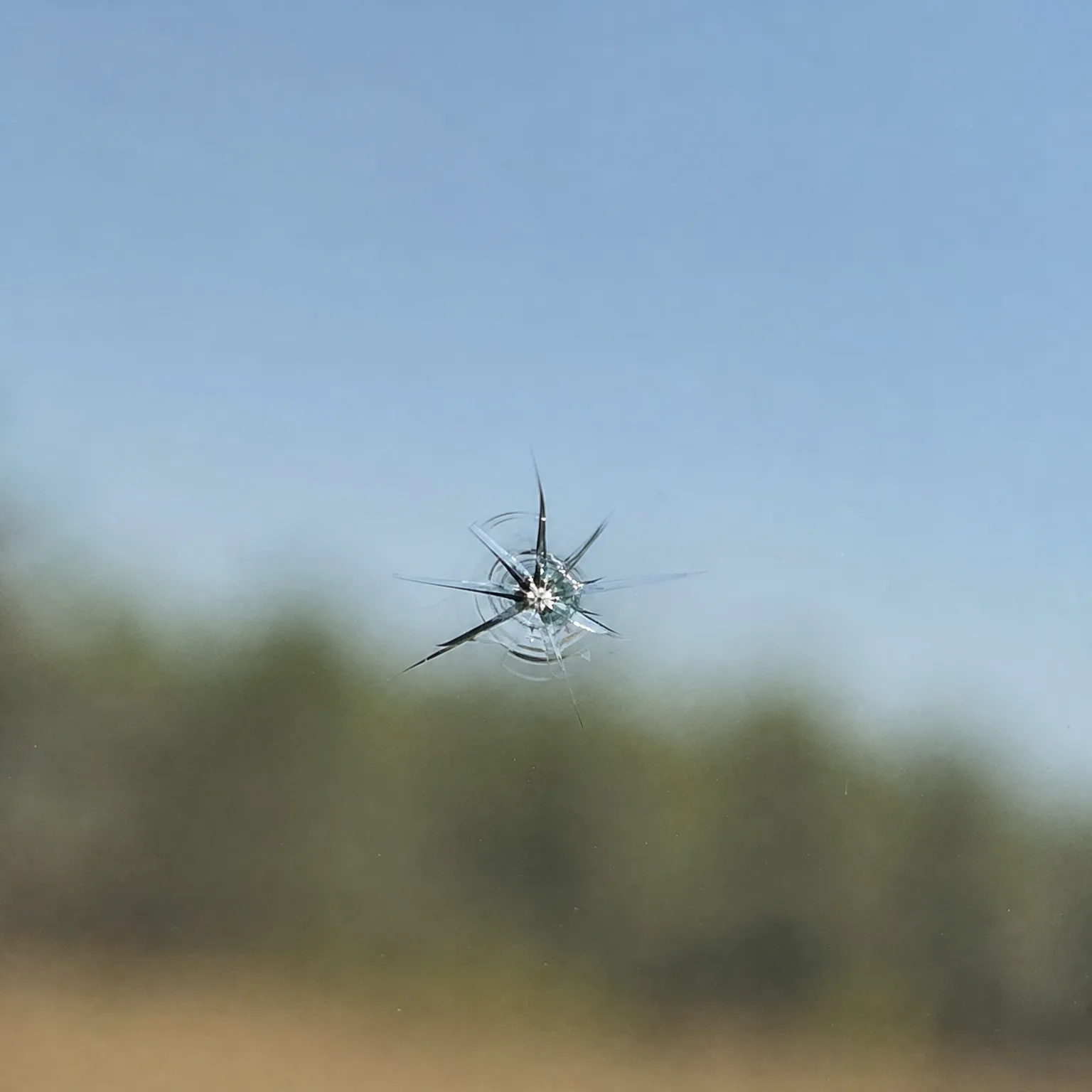
She looked up what similar cars in similar condition were actually selling for, then compared that number to what she'd been paying each year for the collision and comprehensive portions alone. The gap convinced her to drop collision but keep comprehensive, since the car still sat outside overnight and theft or hail were real risks in her area. She kept liability at a higher limit than before, reasoning that the money she saved on collision could go toward protecting her from a lawsuit instead. A year later a windstorm cracked her windshield, and comprehensive covered it. She never missed the collision coverage because she never needed it, and the decision stopped feeling like a gamble once she'd done the math.
What happens if I total the car and only have liability?
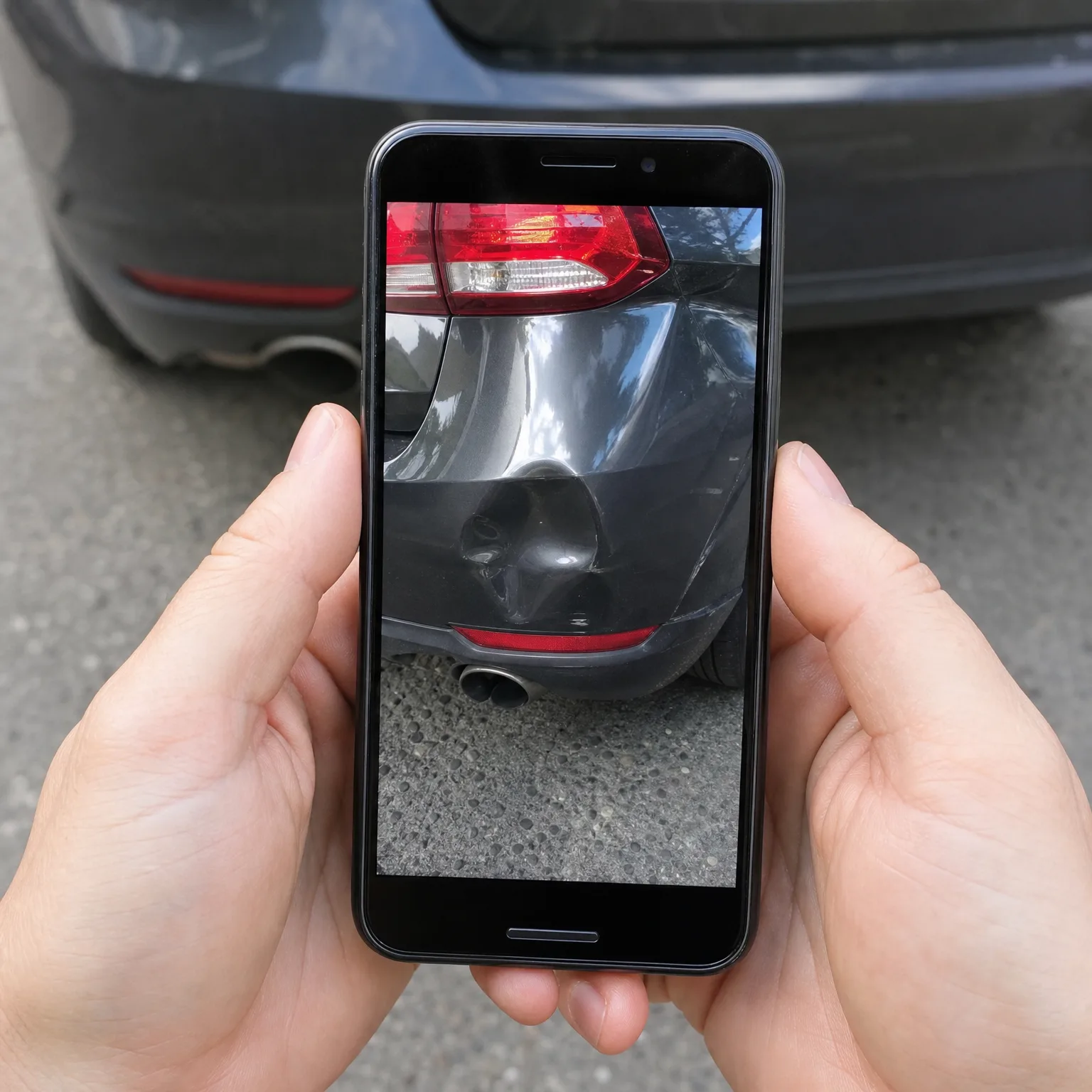
If you only carry liability and you total the car, your insurer pays nothing toward your own vehicle. Liability covers damage and injury you cause to others, not repairs or replacement for your own car. You would absorb the full loss yourself, whether that means paying out of pocket for another car or going without one for a while.
This is the real tradeoff of dropping collision and comprehensive. It's not just a monthly savings question, it's a decision about whether you could comfortably replace the car on short notice if it were gone tomorrow. If the answer is yes, dropping those coverages is reasonable. If the answer is no, even an older car might be worth protecting until you've saved enough to self-insure that risk.
The question isn't what the car is worth today, it's what it would cost you to be without one tomorrow.
Once you know which coverages still make sense for your car, compare quotes to see what that decision actually costs.

Dropping collision and comprehensive
If you do
You stop paying for damage to your own car in an accident, a storm, or a theft. Your premium drops right away. If something happens to the car, you cover repairs or replacement yourself, which only makes sense if you have the savings to do that without strain.
If you don't
You keep paying the same premium you always have, even though the car has lost most of its value since you bought the policy. You stay protected against theft, weather, and at-fault accidents, but you may be overpaying relative to what the car would actually be worth in a payout.
Why the math changes once the loan is gone
Lenders require full coverage because they have a financial stake in the car until it's paid off. Once you own it outright, that requirement disappears, and the decision becomes purely about whether the coverage is worth it to you. Insurers calculate a payout based on the car's actual cash value at the time of loss, not what you paid for it or what it would cost to replace with something similar. For an older car, that value is often lower than people expect.
The core comparison is simple. You weigh what you pay each year for collision and comprehensive against what the car is actually worth right now. If the annual cost starts approaching a meaningful fraction of that value, the coverage is doing less for you than it used to. If the cost is still small relative to the value, keeping it usually still makes sense.
Comprehensive and collision serve different risks, so you don't have to treat them as a single choice. Comprehensive covers theft, weather, fire, and animal strikes, risks that have nothing to do with your driving and can hit a car of any age. Collision covers crashes you cause or are part of. Many people drop collision before comprehensive, because comprehensive claims are often cheaper for the insurer and the premium stays low relative to the protection.
What varies is how your state treats minimum coverage requirements and how individual insurers price these coverages relative to each other. Some states set higher liability minimums than others, which affects what you're required to keep regardless of collision or comprehensive. Check your state's minimums and ask your insurer directly how they'd calculate a payout on your specific car before you decide.