When to Stop Paying for Full Coverage Auto Insurance
Stop paying for full coverage once your car's value drops low enough that a payout wouldn't cover much more than your premiums already have.
Compare the car's value to its coverage cost
- Find the car's real value Look up what your car would actually sell for now, not what you paid for it. This number is the most the insurer would ever pay you, minus your deductible.
- Add up a year of premiums Check what collision and comprehensive cost you over a year, separate from liability. If that cost is a big chunk of the car's value, the math is working against you.
- Know your deductible's bite A payout only covers the car's value minus your deductible. Subtract it before you compare anything, since it changes the real number you'd receive.
- Think about what you can absorb Dropping coverage means paying out of pocket for repairs or replacement. Be honest about whether you could cover that cost without trouble if the car were totaled tomorrow.
- Separate the two coverages Collision and comprehensive protect against different things and often cost differently. You can drop one and keep the other if that fits your car and your risks better.
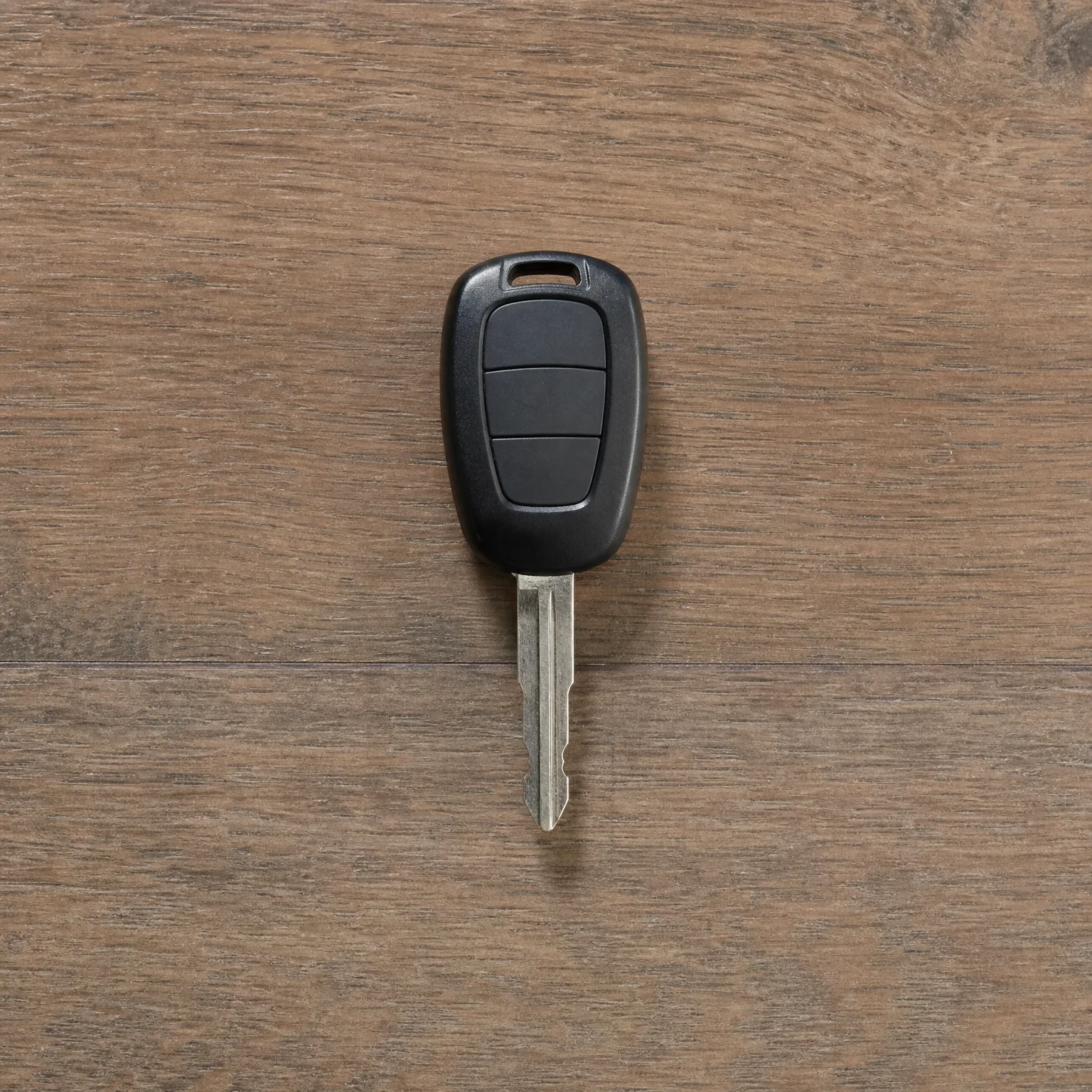
A paid-off sedan with ten years on it
A reader owns a sedan they paid off years ago. It runs fine, but a trip to a few valuation sites shows it would sell for a modest amount if they listed it today. They pulled their policy and saw that collision and comprehensive together cost a real chunk of money every year, almost a third of what the car is even worth.
They decided to drop collision, since repair costs on a crash would likely total the car anyway, but kept comprehensive because their area gets hailstorms and theft isn't rare. That combination cut their premium noticeably while still protecting against the risks they couldn't easily self-fund, like a cracked windshield or a stolen catalytic converter. A year later, a hailstorm did damage the roof and hood, and comprehensive covered the repair. They never missed collision, because the kind of accident it would have paid for never happened, and if it had, they'd have been prepared to handle the cost themselves.

Choosing whether to drop collision and comprehensive
If you do
You free up money every month and no longer pay to protect a car that isn't worth much. If it's stolen, flooded, or totaled in a crash, you cover repair or replacement costs yourself, with no payout beyond liability.
If you don't
You keep protection against theft, weather, and crash damage, and a payout helps replace the car if something happens. You keep paying premiums that, over time, can add up to more than the car would ever pay out.
Now that you know which coverage still makes sense for your car, compare quotes to find the best price for exactly that.
What if I drop full coverage and then wish I hadn't?
You can usually add collision or comprehensive back at any point, the same way you dropped it. Most insurers let you change coverage outside of a claim, so it isn't a permanent decision. The main cost of waiting is that you're uninsured for that risk in the meantime, not that the option disappears.
If you're unsure, consider dropping just one coverage first, often collision, and watching how it feels for a few months before touching the other. You can also set aside the money you save each month specifically for car repairs or replacement, so you're building your own cushion instead of relying only on the insurer's payout. That way the decision feels less final and more like a trial you can adjust.
Your premium should track what the car is worth today, not what it used to be worth or what you paid for it.
How do I find out what my car is actually worth right now?
Use an online valuation tool that accounts for your car's mileage, condition, and location, not just its age. Check a couple of different sources since estimates vary, and lean toward the lower end if your car has higher mileage or cosmetic wear. This value is what you'll compare against your premium costs to make the coverage decision.
Does my state require me to carry more than liability insurance?
Most states only require liability coverage, not collision or comprehensive, but requirements and minimums vary by state. Check your state's department of insurance site or your policy documents to confirm what's mandatory where you live. If you financed or leased the car in the past, a lender requirement may no longer apply now that it's paid off, but double check your title status.
Will dropping coverage now make it harder to get full coverage again later?
No, dropping collision or comprehensive doesn't usually affect your ability to add it back later, since it isn't the same as letting your policy lapse. What matters more is keeping continuous liability coverage, since a lapse there can raise your rates. Check with your insurer on how they handle mid-policy coverage changes, since the process can vary.