Comprehensive on an Older Car
Keep comprehensive if a theft, fire or hailstorm would cost more to replace the car than the coverage costs you each year.
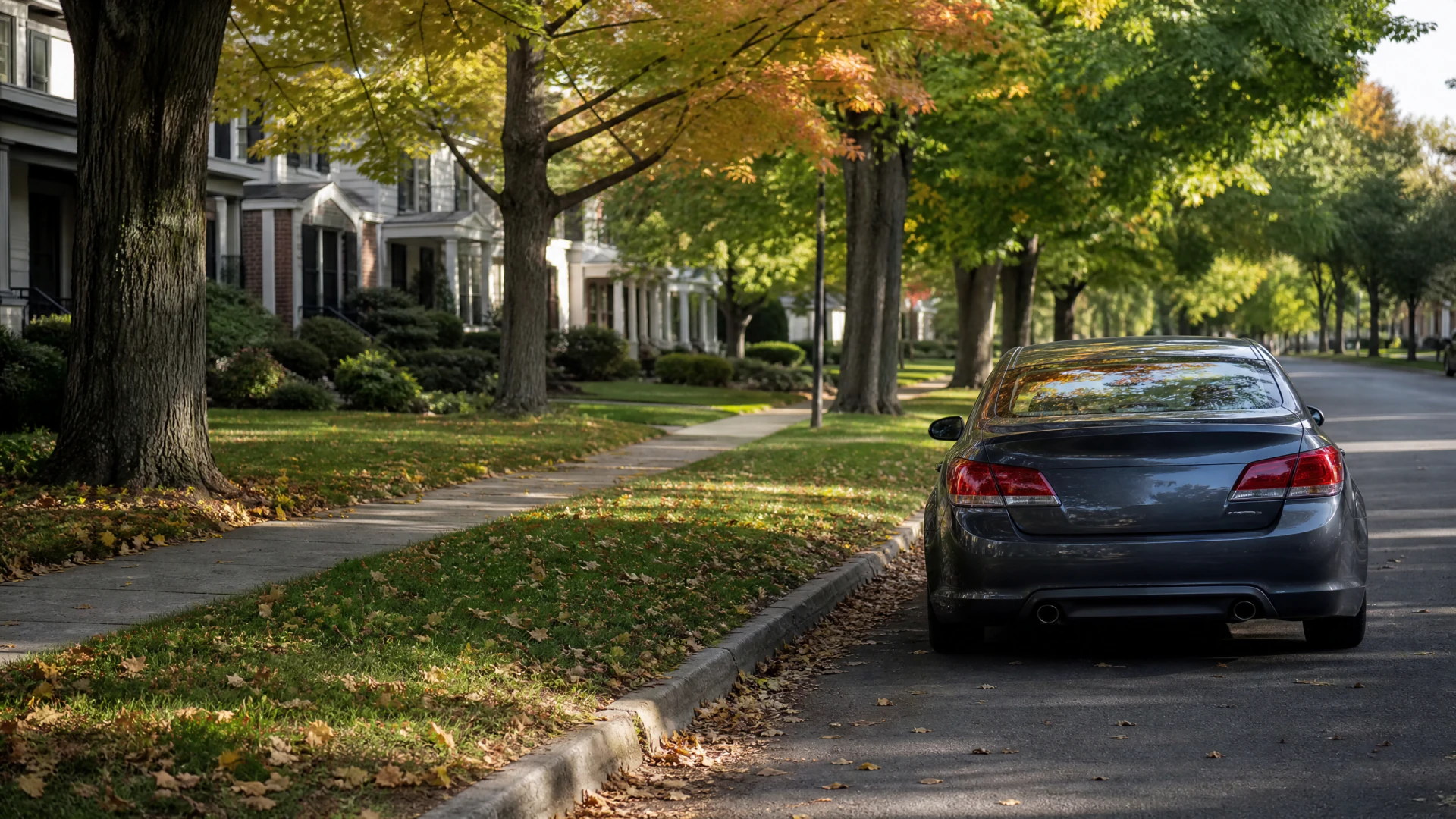
A paid-off sedan after a hailstorm two towns over
A reader owned a sedan outright, nine years old, still running fine and worth a modest amount on the used market. A bad hailstorm hit a town nearby and left dented hoods and cracked windshields all over the local Facebook groups. It hadn't hit her street, but it made her open her policy for the first time since she paid off the loan, and she realized she had no idea what her comprehensive coverage actually cost her or what it would pay out if hail did hit.
She called her insurer and asked two things, what comprehensive cost her over a year and what the car was worth right now. The premium was small, the car's value wasn't, and the gap between them made the decision easy. She kept comprehensive and dropped nothing. Her neighbor, with an older car worth much less, ran the same comparison and found the premium ate up a big share of the payout he'd ever see, so he dropped it and put that money toward a small repair fund instead. Same storm, same question, different cars, different answers.
The short version
Comprehensive makes sense when the car's value would cover more than the coverage costs you to carry. Compare what the car is worth now against what comprehensive costs you over a year, not what you paid for the car originally. Get a real value estimate, check your premium, and do the math before you decide.
What if I drop comprehensive and the car is stolen or totaled by weather?
You pay for a replacement yourself. Without comprehensive, theft, fire, flood and storm damage aren't covered at all, so you're responsible for the full cost of repairing or replacing the car out of pocket.
This is the real tradeoff, not a technicality. People drop comprehensive because the premium feels like dead weight on a car that isn't worth much, and sometimes that's the right call. But it only works if you've actually looked at what the car would cost to replace and decided you're fine covering that yourself. If you haven't run that comparison, you're guessing, and guessing is how people end up surprised after a storm.
Know what your car is worth against the premium, then compare quotes to see what fits.
How do I find out what my car is actually worth before deciding?
Use a current used-car valuation tool and look at recent local sale prices for the same year, make, model and condition, not what you paid or what a loan balance once said. Insurers use a similar market-value approach to calculate payouts, so matching their method gives you an honest comparison. Mileage, condition and local demand all move the number, so check it again if it's been a while since you last looked.
Can I drop comprehensive but keep collision, or does it have to be both?
Yes, you can carry one without the other, they're separate coverages. Comprehensive covers theft, fire, weather and animal strikes, while collision covers crashes, so you can weigh them independently against the car's value. Some people drop comprehensive first since weather and theft feel less likely than a crash, others do the opposite. Check your policy to see how they're priced individually before deciding.
Will dropping comprehensive lower my premium by much?
It depends on your insurer, your location and your car, so there's no single answer, you need a real quote comparison to see the actual difference. Factors like local theft rates and weather risk affect how much comprehensive costs in the first place. Ask your insurer for a breakdown showing each coverage's cost separately, so you're deciding with real numbers instead of a guess.
This isn't about the car's age, it's whether its value still covers what you pay to protect it.