Does Car Insurance Go Down After Payoff
Paying off your car doesn't lower your insurance premium by itself, it just removes the lender's coverage requirements.
Your premium is based on risk, not on who holds the title
Insurance companies price your policy based on things like your driving record, where you live, the car's make and model, and how likely it is to be damaged or stolen. None of that changes the day you make your last loan payment. The bill stays the same unless you actively change your coverage.
What payoff actually does is remove the lender's fine print. While you were financing or leasing, the lender required you to carry full coverage, meaning collision and comprehensive on top of liability, because they had a financial stake in the car. Once it's paid off, that requirement disappears and the choice becomes yours alone.
This is why people assume their rate should drop. They're thinking of the car's value, not the actual cost drivers behind their premium. The real savings opportunity isn't a loyalty discount for paying off a loan, it's the chance to reassess whether collision and comprehensive still make financial sense for a car that's worth less than it used to be.
The math that matters is simple. You compare what collision and comprehensive would pay out if the car were totaled or stolen, against what you're paying in premium for that coverage each year. If the car's value has dropped a lot, the coverage can cost more over time than it would ever pay back. That calculation is what should drive your decision, not the payoff itself.
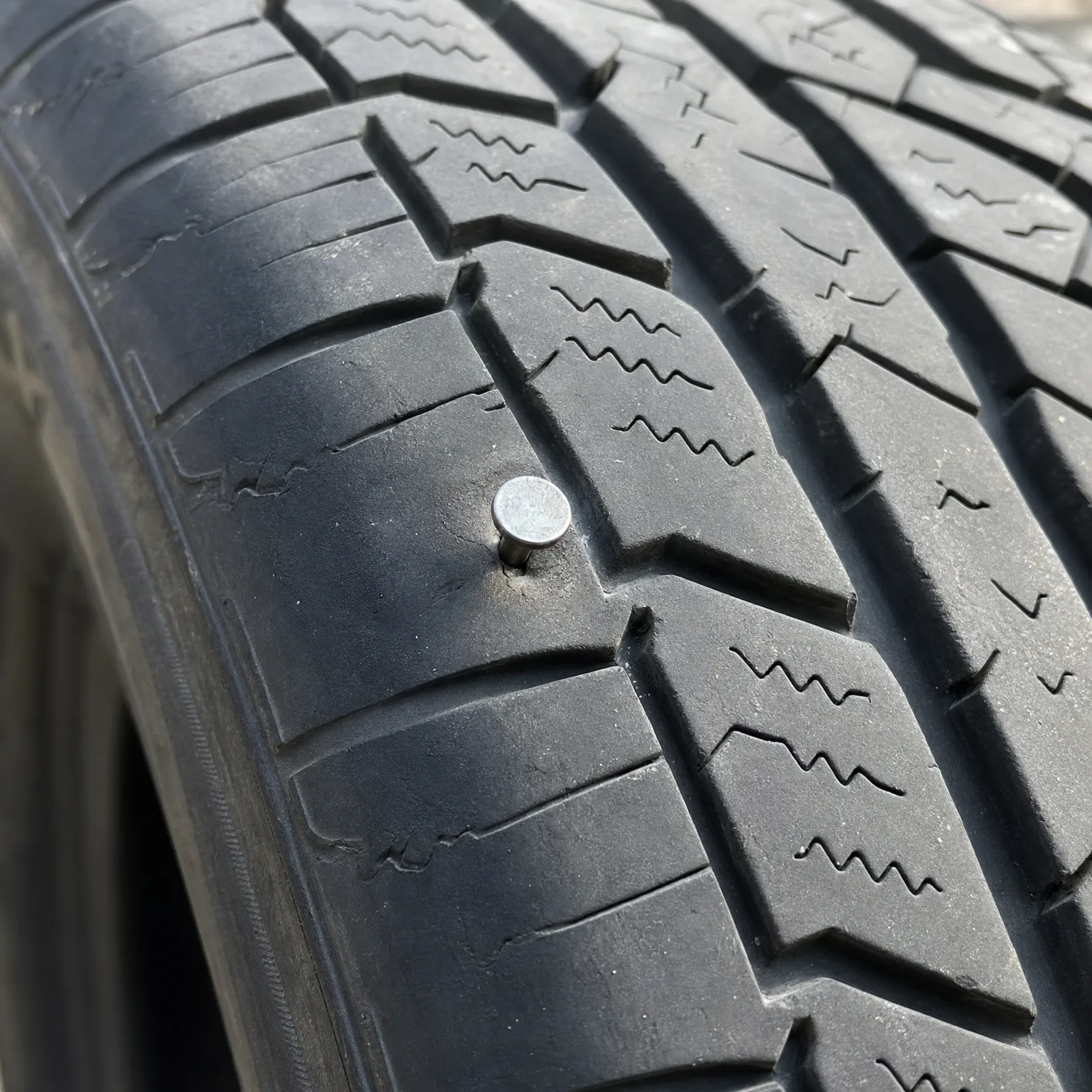
What to actually check now that the car is paid off
- Get the car's real value Look up what your specific car would sell for now, not what you paid. This number tells you the most an insurer would ever pay out on a claim.
- Compare payout to premium Add up what you pay yearly for collision and comprehensive. If that cost is close to a meaningful share of the car's value, the math starts favoring dropping it.
- Check your deductible too A payout is the car's value minus your deductible. A high deductible on a low-value car shrinks what you'd actually collect if something happened.
- Split the two coverages Collision and comprehensive cover different risks and you don't have to drop both. Many people keep comprehensive for theft and weather while dropping collision first.
- Keep liability no matter what Liability covers damage you cause to others and is required almost everywhere. Dropping it isn't part of this decision at all.
The question isn't whether you paid off the car, it's whether the car is still worth what the coverage costs.
Once you know which coverage still fits your car's value, compare quotes to see what keeping or dropping it costs.

Dropping collision and comprehensive on an older car
If you do
Your premium drops right away, often noticeably. If the car is stolen, totaled, or damaged by weather, you pay for repairs or replacement yourself. This makes sense if you could comfortably cover that cost and the car's value is low enough that the old payout wouldn't help much anyway.
If you don't
You keep paying the same premium you paid while financing. If something happens to the car, you get a payout based on its current value, minus your deductible. This makes sense if you couldn't easily replace the car out of pocket, or if the car is still worth enough that the payout would matter.
A driver with a ten-year-old sedan paid off last spring
A driver finished paying off a sedan that was ten years old and had some wear but still ran fine. They kept paying the same premium out of habit, assuming the lender still required full coverage. When they finally called to ask about it, they learned nothing had changed automatically and the choice was entirely theirs now.
They looked up the car's current value and compared it to what they were paying yearly for collision and comprehensive combined. The premium for those two coverages was a real chunk of what the car was worth, and they had enough savings set aside to replace the car if it were stolen or totaled. They dropped collision but kept comprehensive, since their area saw occasional hailstorms and theft was a realistic risk even if a crash felt less likely. Their premium dropped noticeably the same month, and they felt comfortable with the trade because they'd actually run the numbers instead of guessing.
How do I find out what my car is actually worth now?
Look up your car's current market value using its year, make, model, mileage and condition through a valuation tool or recent local sale listings for similar cars. This value, not what you originally paid, is what an insurer would use to calculate any payout. Check it every year or two since value keeps dropping as the car ages, which may change your coverage decision over time.
What happens if I drop comprehensive and my car gets stolen?
Without comprehensive, you get nothing from your insurer if the car is stolen and not recovered, you absorb the full loss yourself. This matters most in areas with higher theft rates or for car models that are frequently targeted. Check local theft data for your area and your specific model before deciding, since that risk varies a lot by location and car type.
Can I still get full coverage later if I change my mind?
Yes, you can generally add collision and comprehensive back onto your policy whenever you want, there's no permanent lockout for dropping it. Check with your insurer about any waiting period or inspection requirement, since some insurers ask for photos or a vehicle check after a lapse in coverage. This flexibility means the decision isn't permanent if your situation or the car's value changes.