What Does Roadside Coverage Mean
Roadside coverage pays for help when your car won't move, like a tow, a jump, a tire change or a lockout, regardless of whose fault it is.
It's a service benefit, not a claim against damage
Roadside coverage works differently from collision or comprehensive. It doesn't pay you money for damage to the car. Instead it dispatches help, a tow truck, a battery jump, a locksmith, someone to bring gas, and the insurer pays that provider directly up to whatever limit the policy sets. There's no claim on your driving record for using it, and it doesn't touch the car's value the way a collision payout would.
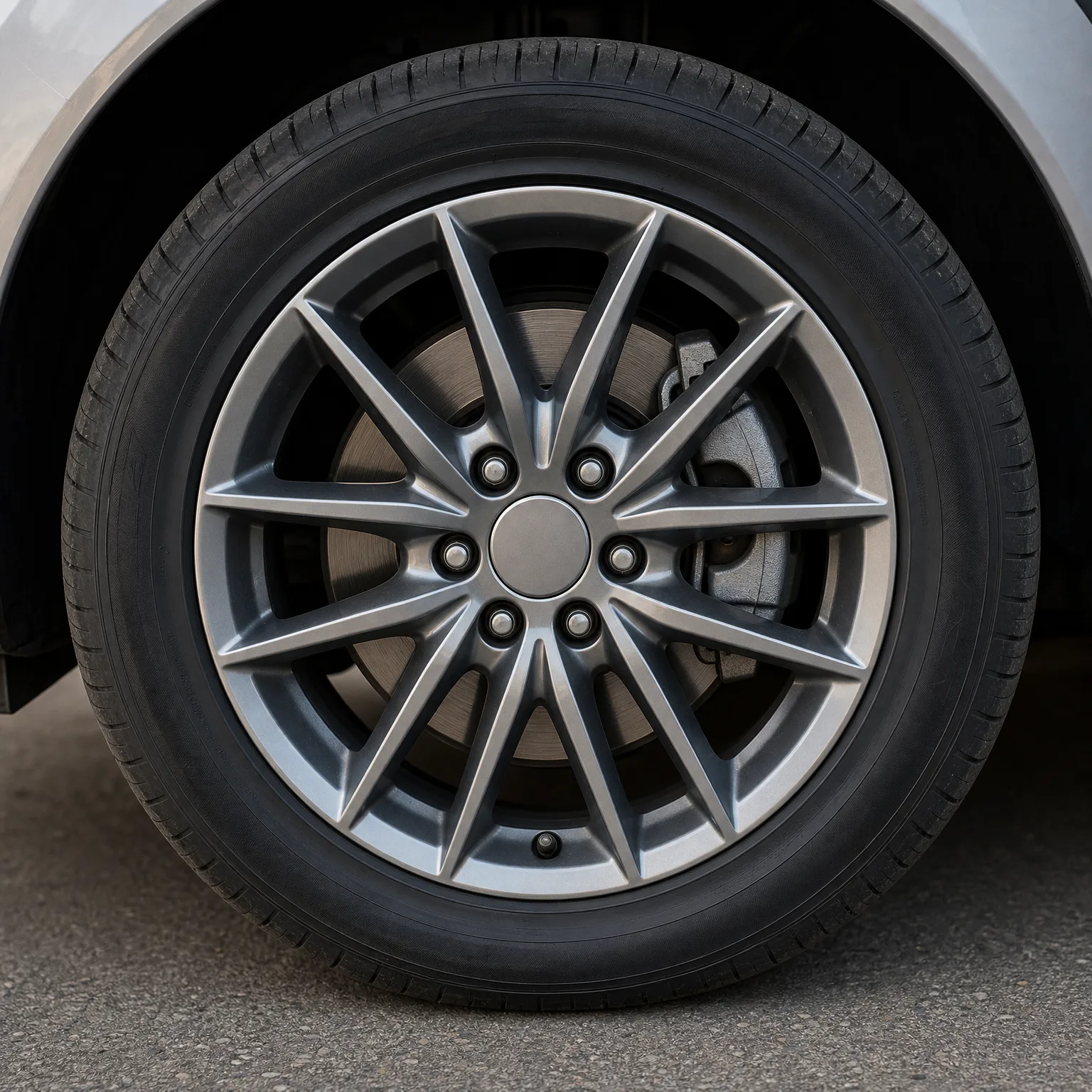
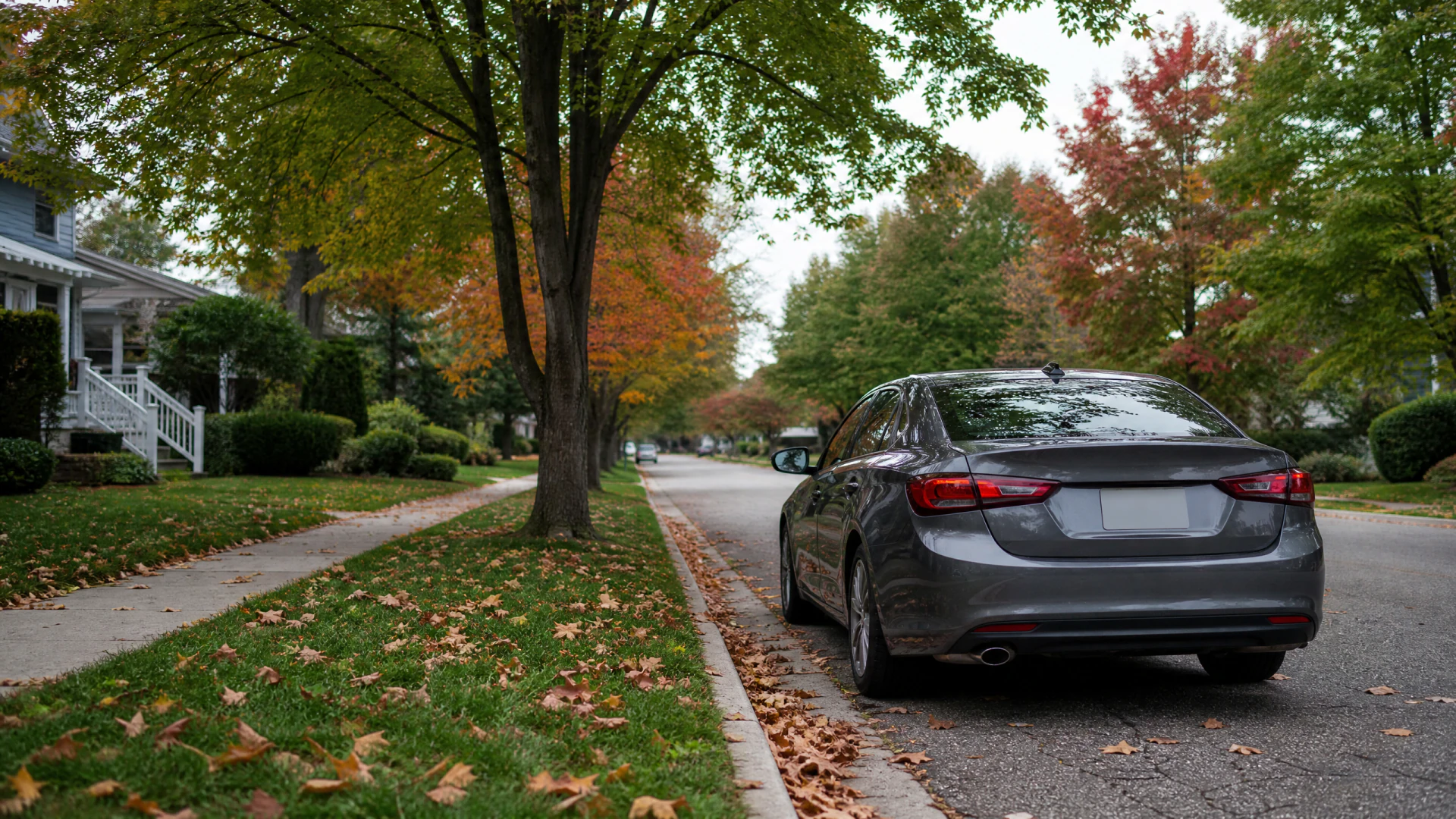
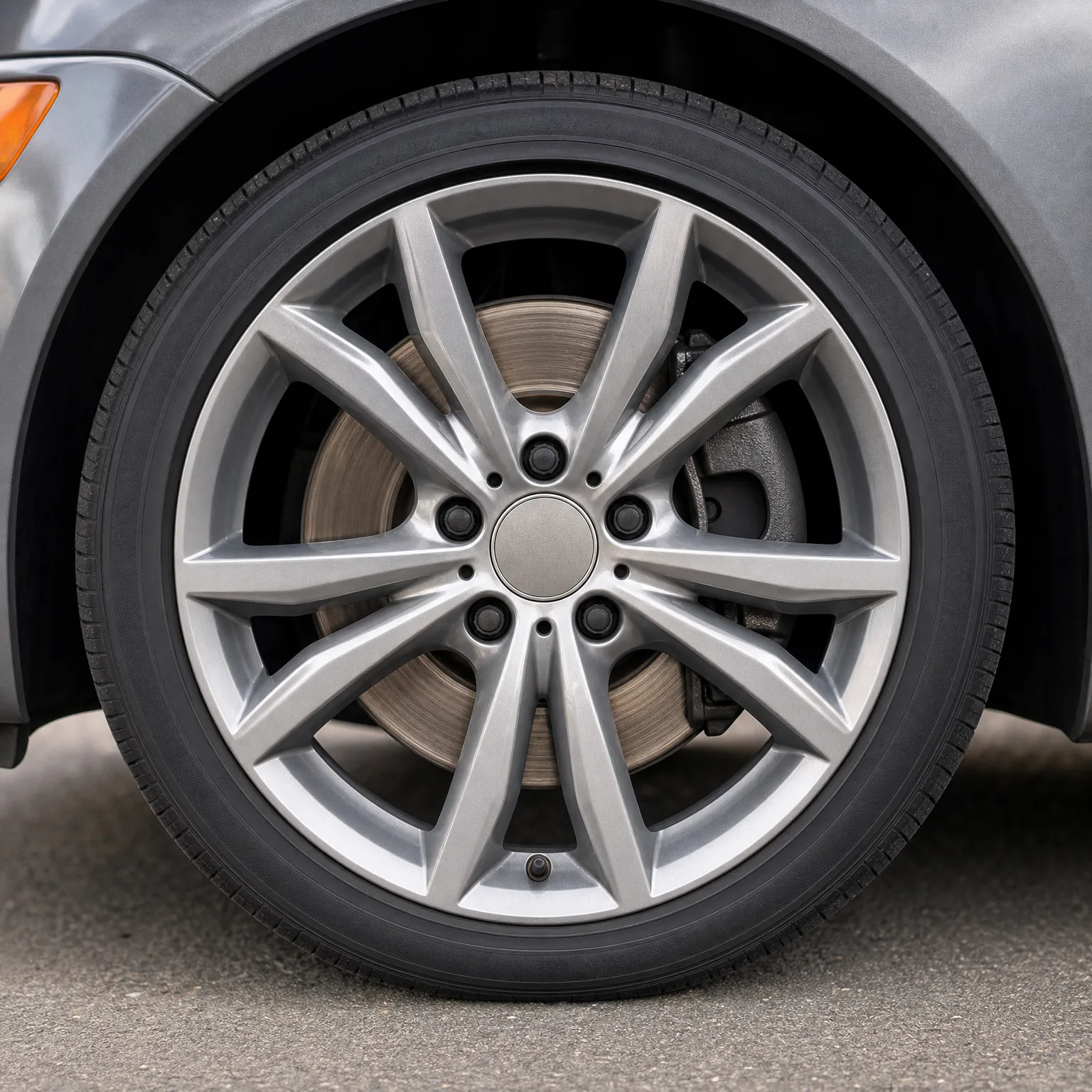
This matters for an older car because the risk you're covering isn't a crash. It's a breakdown. Older cars are more likely to need a tow for a dead battery, a flat with no spare, or a starter that finally quits, than they are to need theft or collision coverage for a car that's already worth less than it used to be. So the math on roadside coverage doesn't follow the same logic as the math on dropping comprehensive.
What counts as a covered event and how far they'll tow you varies by insurer, so check the specifics of your policy rather than assuming it works like a membership plan you might already have through a card or an automaker. Some policies cap the number of uses per year or the dollar amount per incident. Others bundle it with trip interruption or lockout service and others don't.
The one place this gets more complicated is if you already have roadside help through another source, a credit card, a warranty, or a membership. In that case you may be paying twice for the same thing, and the decision isn't whether roadside coverage makes sense in general, it's whether you need a second version of it.
A driver with an older car checks what roadside actually covers
A driver who owned her car outright was deciding what to trim now that she no longer needed to satisfy a lender's requirements. She still carried comprehensive, but wasn't sure what the roadside line on her policy even did, since she'd never used it. She called her insurer and found out it covered towing up to a set distance, a jump start, a flat tire change, and lockout service, all dispatched through a network the insurer managed.
She realized this was separate from the comprehensive and collision decision entirely. It was also a small enough add-on that dropping it wouldn't meaningfully change her premium. She kept it, reasoning that a lockout or dead battery was a far more likely event for her car at this age than a theft or a collision, and knowing help was one call away was worth more to her than the small savings from cutting it.
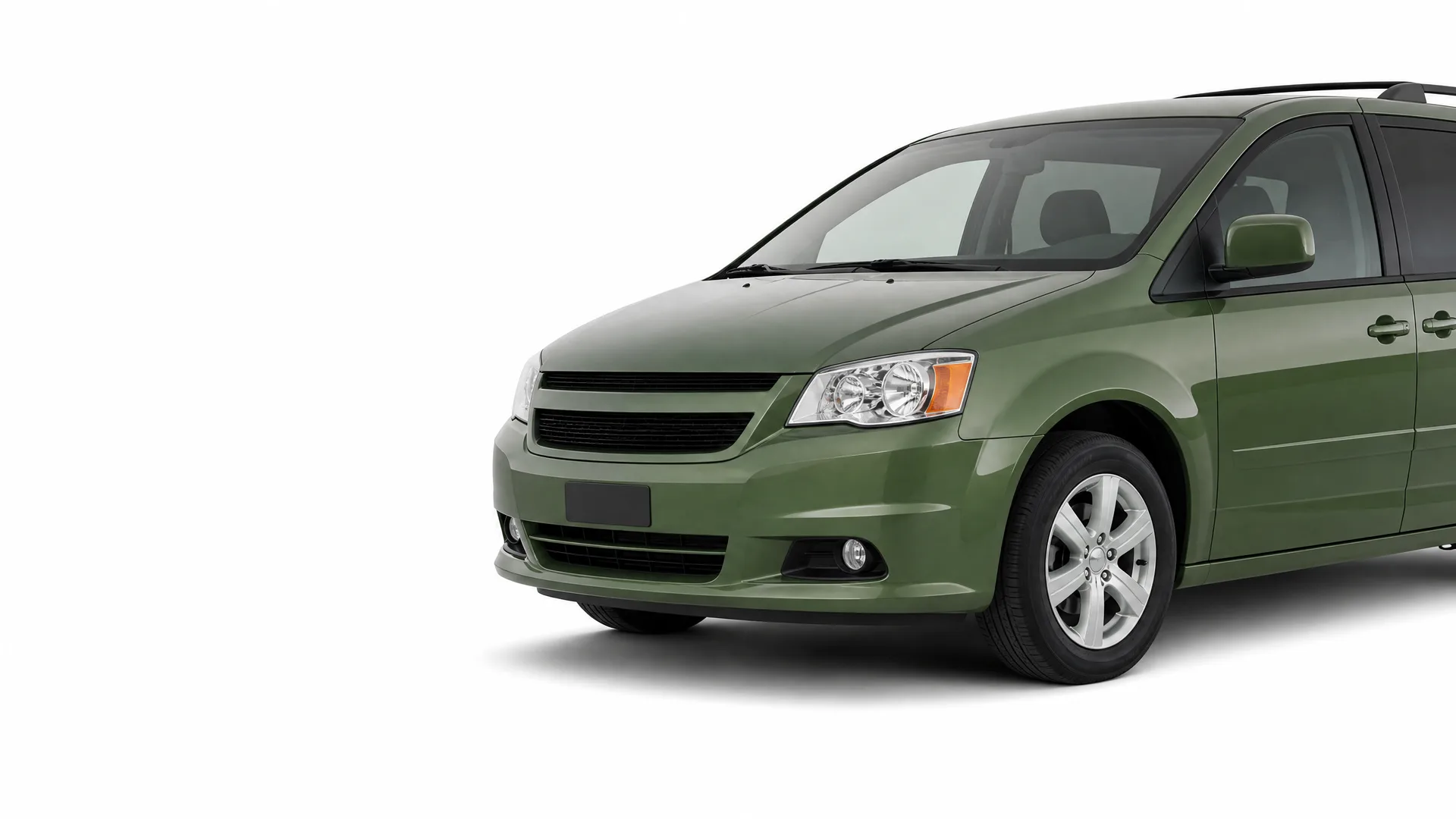
Roadside coverage insures against breakdowns, not crashes, and that's the risk an older car carries most.
Once you know what roadside coverage pays for, compare quotes to see what it actually costs to keep.

Whether to keep roadside coverage on an older car
If you do
You pay a small amount added to your premium. When your car won't start, has a flat, or locks you out, you call one number and help is dispatched, usually a tow truck or a service van, paid for up to your policy's limit without filing a claim against your driving record.
If you don't
You pay slightly less each term. If your car breaks down, you're responsible for finding and paying for a tow or service call yourself, often at a higher cost in the moment than what the coverage would have cost you over the year, especially if it happens more than once.
Does roadside coverage cover towing to any repair shop I choose?
Usually yes, but insurers often set a maximum towing distance, and going beyond it may cost you the difference out of pocket. Check your policy for the mileage limit and whether it's measured from the breakdown site or to the nearest shop. Some insurers also have a preferred network that includes a longer tow distance at no extra cost, so it's worth asking before you need it.
Is roadside coverage worth it if I already have a credit card with travel benefits?
It depends on what that card actually covers, since many travel benefits only apply to rental cars or trips booked through the card. Check your card's benefits guide for whether it covers your own vehicle, how many uses are allowed, and what the per-incident payout is. If it genuinely duplicates your insurer's roadside coverage, dropping one makes sense, but confirm the overlap first.
Can I add roadside coverage later if I drop it now?
In most cases yes, you can add it back at your next renewal or policy change, but check whether your insurer requires a waiting period before it takes effect. Some insurers apply roadside coverage immediately upon adding it, others impose a short delay to prevent people from adding it only when they already need a tow.