How Do I Get the Most Money for My Totaled Car
You get the most money by proving the car's real value yourself, before you accept the insurer's first number.
The payout is built on comparable sales, and you can challenge it
When a car is declared a total loss, the insurer doesn't pay what you paid for it or what you think it's worth sentimentally. They pay what's called actual cash value, which is based on what similar cars in similar condition are selling for in your area right now. That number comes from a database search the insurer runs, and that search is where most of the room to negotiate actually lives.
The insurer's first valuation is a starting point, not a final offer. It's built from an algorithm pulling listings that may not match your car's trim, mileage, or condition. If your car had low mileage, a recent repair, newer tires, or options the comparables don't account for, that's leverage you can bring to the table with documentation.
This is also where owning the car outright matters. With no lender involved, the check comes straight to you, and there's no loan balance to settle first. That means every dollar you negotiate upward is a dollar in your pocket, not a dollar redirected to a bank.
Where this gets complicated is state rules. Some states require insurers to use specific valuation methods or let you demand an independent appraisal, others leave more to the insurer's discretion. Check your state's insurance department site or your policy's appraisal clause before you negotiate, so you know what leverage the law actually gives you.

What actually moves the number up
- Pull your own comps Find three to five similar cars for sale nearby, matching year, trim, mileage, and condition. Print or screenshot them as evidence for your adjuster.
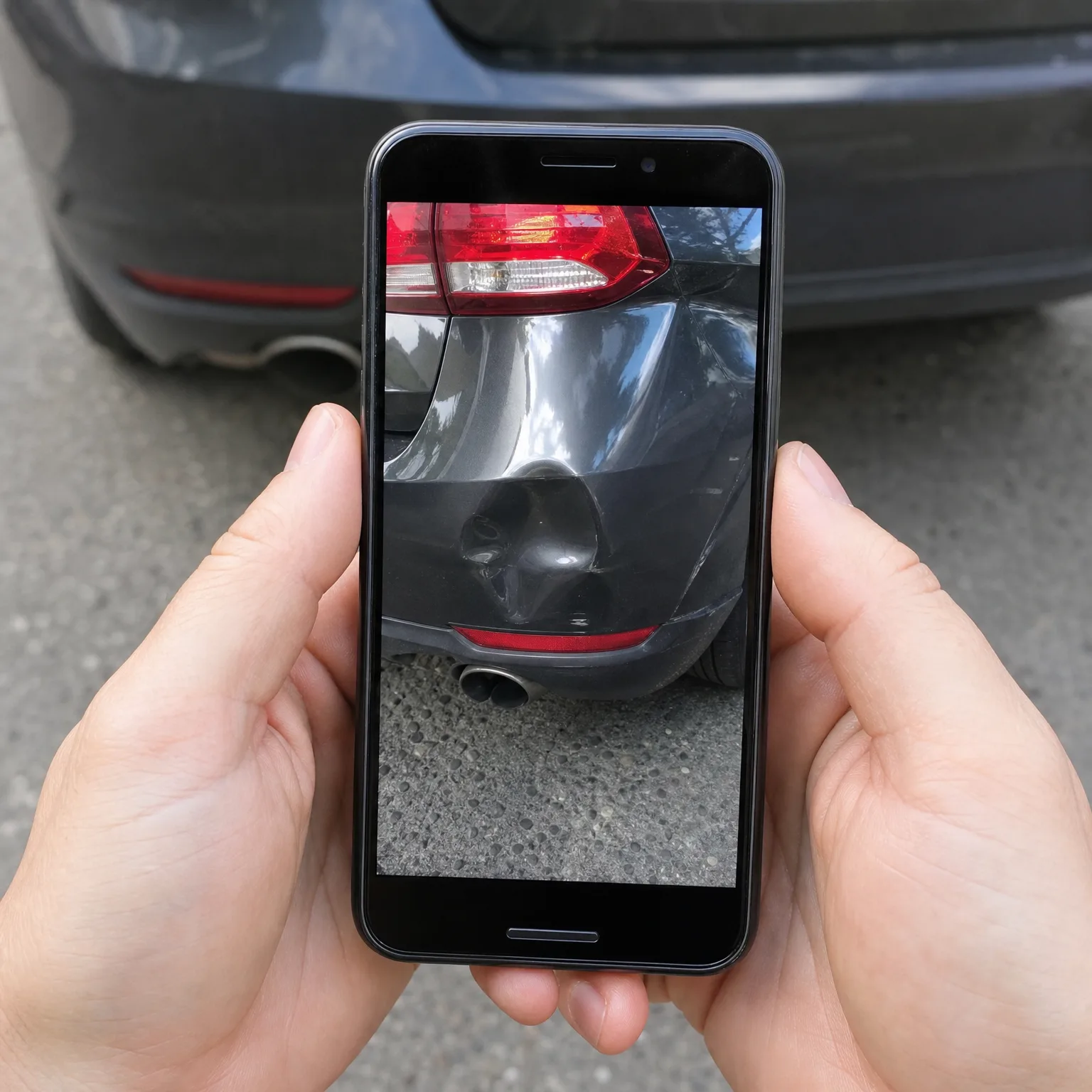
- Document condition and upgrades Photos of recent tires, brakes, or repairs, plus receipts, show the car was worth more than a generic listing. Send these before the first offer, not after.
- Request the valuation report Ask the insurer for the full report showing which comparables they used. Errors in mileage, trim, or condition are common and fixable.
- Know your appraisal rights Many policies include a clause letting you demand an independent appraisal if you disagree with the offer. Check your policy language and your state's rules on how this works.
- Negotiate before you sign Once you accept the check, the claim is closed. Counter with your comps and documentation first, since insurers expect a first offer to be negotiated.
Should I keep the totaled car instead of taking the payout?
You can usually keep the car and take a reduced payout, called a salvage retention, but whether it makes sense depends on what you want to do with it. The insurer deducts the car's salvage value, what it would fetch at auction, from your settlement, and you keep the title, now branded salvage, along with the car.
This only makes sense if you plan to repair it yourself, use it for parts, or you're confident you can get it running and retitled through your state's rebuilt title process. A salvage or rebuilt title permanently lowers resale value and can complicate future insurance, so weigh that against what you'd actually do with the car. If your plan is just to keep driving it daily, taking the full payout and buying a clean-title car is usually the simpler path.
Once you've settled on the payout you're owed, compare quotes for your next car with that number already in hand.

Whether you negotiate the payout before accepting it
If you do
You gather your own comparables, document the car's condition, and request the insurer's valuation report before responding. This typically adds time to the claim, a week or two, but it's common for the final payout to land higher than the first offer once real comps and condition details are factored in.
If you don't
You accept the first number the insurer offers, which is calculated from a generic database search that may not reflect your car's actual condition or local market. The claim closes faster, but you have no way to know if the offer matched the car's real value, and you can't reopen it once accepted.

A paid-off sedan written off after a hailstorm
A reader owned a ten-year-old sedan outright, paid off for years, with low mileage for its age and a new set of tires installed a few months before a hailstorm left it with enough dents to total it. The insurer's first offer came back based on a generic comparable search that didn't reflect the low mileage or the new tires, and didn't account for the car's trim level, which included features the comps lacked.
The owner pulled five local listings for the same year, trim, and mileage range, attached the tire receipt, and requested the insurer's full valuation report. Two of the comparables the insurer had used turned out to be a lower trim without the same features, which the owner flagged directly. The insurer revised the offer upward to reflect the correct trim and the documented upgrades. The owner accepted the revised payout and used it toward a replacement car, with no loan balance to settle and the full check going straight to that purchase.