How Does Rental Reimbursement Work
It pays a daily amount toward a rental car while your car is in the shop for a covered claim, up to the limit you chose.

What actually determines your payout
- It's tied to a claim Rental reimbursement only kicks in when your car is being repaired for damage covered by your policy, like a collision or comprehensive claim. If you're not filing a claim, it doesn't apply.
- Daily and total caps Your policy sets a daily dollar limit and a total cap on how much it will pay overall. Check your declarations page to see both numbers before you assume it covers any rental.
- Repair time sets the clock Payment runs for as long as the shop says your car needs, not as long as you keep the rental. If repairs finish early, the coverage stops even if you keep driving the rental.
- You still pay upfront, usually Most insurers reimburse you or pay the rental company directly after the claim is approved, but you may need to cover the cost at pickup. Ask your insurer how payment is handled before you book a car.
- No claim, no reimbursement This coverage doesn't pay out if your car breaks down or needs routine service, only if the repair is tied to a covered loss. Keep that distinction in mind when you're deciding if you need it.
What happens if my repair takes longer than the daily cap allows?
If your total rental costs exceed the cap in your policy, you pay the difference out of pocket once the limit is reached. The daily amount and the total cap work together, so a long repair can hit the total cap even if each day's cost is well under the daily limit.
This is common with parts delays or a busy shop, and it's worth asking the shop for a repair estimate upfront so you know roughly how many days you're working with. If the estimate is close to or over what your coverage allows, you can decide ahead of time whether to pay out of pocket for extra days, switch to a cheaper rental, or talk to the shop about speeding things up. Insurers vary on whether they'll make exceptions for documented delays outside your control, so ask yours directly if this situation comes up.
The coverage only exists to bridge your car's repair time, not to give you free use of a rental car.
Now that you know what daily limit and total cap you actually need, compare quotes to see what that coverage costs.
A fender bender that took longer than expected
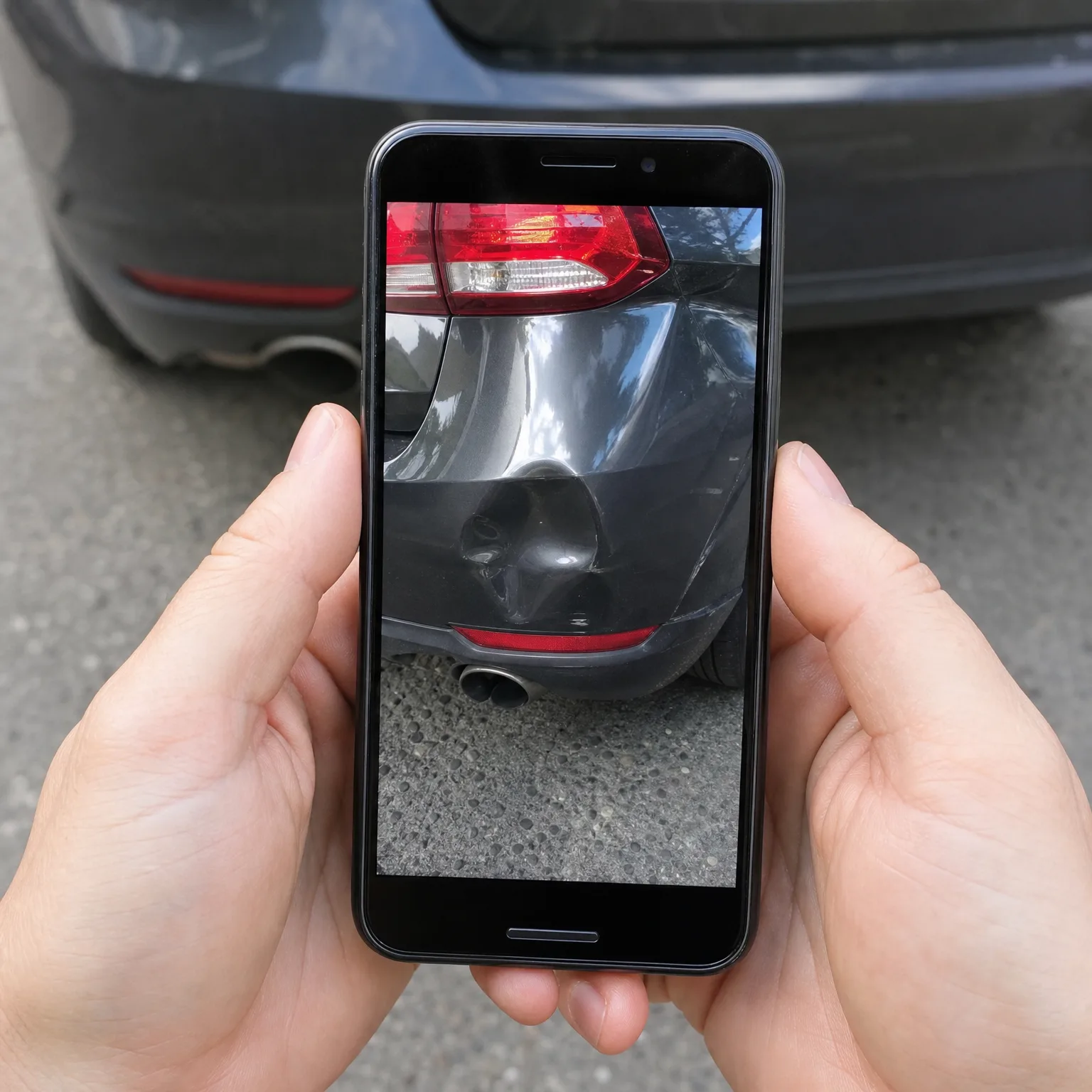
You're rear-ended at a stoplight and the damage is enough that the shop needs to order a replacement bumper and sensor assembly. The shop originally quotes five days, so you pick up a rental car that afternoon, covered under your policy's rental reimbursement with a daily limit and a total cap you'd checked when you bought the policy.
The part gets delayed and the repair stretches to twelve days. You call your insurer partway through to ask whether the extra time is still covered, and they confirm the total cap is the real constraint, not the number of days alone. Your repair bill ends up within the cap because the daily cost was modest, so the insurer covers the entire rental period. You return the rental the same day you pick up your car, which matters because keeping it even one extra day past pickup comes out of your own pocket.
Why the payout is capped two different ways
Rental reimbursement exists to solve a specific problem, which is that you need a car while yours is out of commission for a covered repair. Insurers structure it with two limits, a daily cap and a total cap, because repair times vary so much. A small scratch might take a day, while a part waiting on backorder might take weeks. The two caps together protect the insurer from open-ended costs while still giving you a usable benefit.
The daily limit usually reflects what a modest rental car costs in your area, not a luxury upgrade. If you choose a nicer or larger rental than the limit covers, you pay the difference yourself. This is standard and it's worth knowing before you walk into a rental counter expecting the whole cost covered regardless of what you drive.
The total cap is where most surprises happen, because people tend to focus on the daily number and forget repairs can run long. A shop's initial estimate is just that, an estimate, and parts delays, hidden damage found once a panel is removed, or a backlog at the shop can all extend the timeline past what you planned for. When that happens, the total cap becomes the limiting factor rather than the daily rate.
This coverage also only applies to claims your policy would otherwise cover. If your car needs repair for a reason that isn't a covered peril, like normal wear or mechanical failure, rental reimbursement doesn't activate no matter how long the car is in the shop. That's a different kind of coverage entirely, usually built into a warranty or a separate mechanical breakdown policy rather than your auto insurance.