Rental Coverage for an Older Car
Rental reimbursement is worth keeping only if losing your car for a week would actually be a problem you'd have to pay to solve.
A car in the shop after a hailstorm
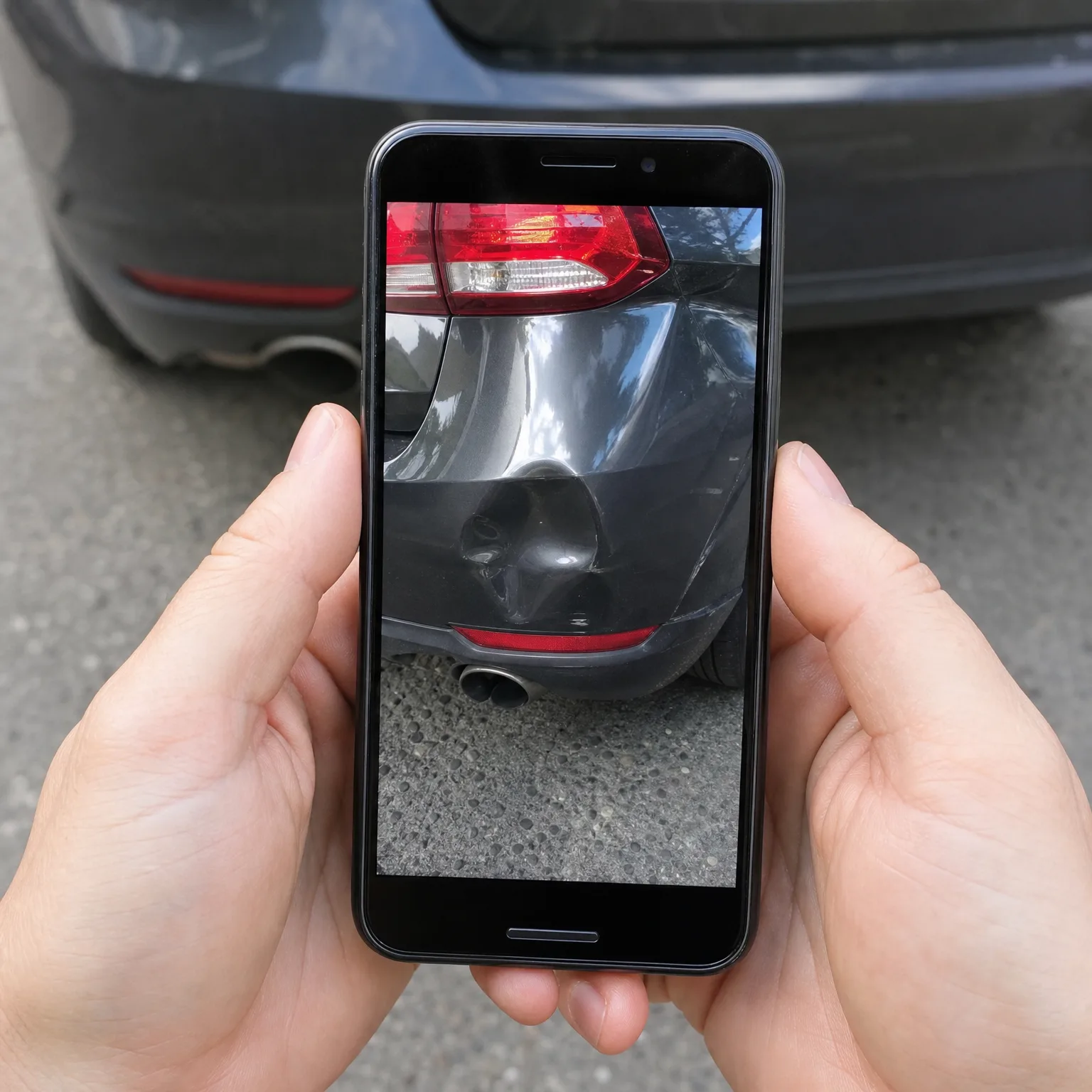
A reader with a paid-off car that was ten years old got caught in a bad hailstorm. The dents were cosmetic enough that she almost didn't file a claim, but the body shop needed the car for several days to do the work right. She had dropped rental reimbursement a year earlier when she was comparing coverage and decided it wasn't worth keeping on a car that old.
She ended up renting a car on her own for those days, paying out of pocket because she had no other way to get to work. It cost her more than the rental coverage would have for a full year. Afterward she added it back, since the premium was small compared to what she'd just paid, and she realized the decision wasn't really about the car's age at all. It was about whether she had another way to get around if the car was gone for a few days.
Does rental coverage only pay out after a covered claim?
Yes. Rental reimbursement only kicks in when your car is being repaired after a claim that your policy actually covers, like a collision or a comprehensive claim such as hail or theft. It doesn't pay for routine maintenance, mechanical breakdowns, or repairs you're paying for yourself.
This matters directly for your decision. If you've already dropped collision or comprehensive on this car, rental reimbursement has nothing left to attach to, since there's no claim it can follow. If you're keeping either of those coverages, rental reimbursement is a small add-on worth pricing separately, since it rides along with coverage you're already paying for and only adds a little for the days you'd be without a car.

The car's age doesn't decide this. Whether you have another way to get around while it's repaired does.
Once you know whether you need rental coverage, compare quotes with that answer already settled.

Keeping rental reimbursement on this car
If you do
If your car is laid up after a covered claim, a rental is arranged or paid for while repairs happen. You keep your routine going without scrambling for a ride or paying rental rates yourself. The cost is small and only matters if you still carry collision or comprehensive.
If you don't
If your car needs repairs after a covered claim, you're on your own for getting around until it's done. That might be fine if you have another car or rides nearby. If not, you'll likely pay for a rental yourself, and it can add up fast over several days.
What actually decides this, besides the car's age
- Backup transportation If you have another car, a bike commute, or reliable rides, losing this car for a few days is a minor inconvenience. If you don't, rental coverage fills that gap cheaply.
- Collision or comprehensive kept Rental reimbursement only pays after a claim under one of those coverages. If you dropped both, there's no claim for it to attach to, so it has nothing left to do.
- Covering a sudden rental bill Renting a car for a week adds up fast if you're paying retail. Decide whether that's a cost you could absorb without planning, or one you'd rather insure against.
- Rules vary by insurer How rental reimbursement is priced and capped varies by insurer and sometimes by state. Ask your insurer directly how it works on your policy before deciding.
- Your tolerance for a bad week Some people would rather pay a little every month than risk scrambling for a ride after a storm or an accident. Others would rather take the risk and save the small premium. Either is reasonable once you know which one you are.