Keeping a Second Older Car Insured
Insure a second older car based on what it's worth and how often it's driven, not out of habit from your main policy.
What to check before you adjust coverage on the second car
- Value versus premium Look up what the car would actually sell for today. If a year of collision and comprehensive costs a large share of that value, carrying it stops making financial sense.
- How often it's driven A car that sits most of the week or only runs errands carries less risk than your daily driver. That changes what coverage is worth paying for, even if the car itself is similar in value.
- Liability-only exposure Dropping collision and comprehensive means no payout if the car is wrecked, stolen or damaged by weather. You're still required to carry liability, and that part doesn't change.
- Where it's parked A car kept in a garage or low-theft area faces less comprehensive risk than one parked on the street. This affects how much comprehensive coverage is actually protecting you.
- Multi-car discounts Some insurers reduce rates when multiple cars are on one policy, even if the cars carry different coverage levels. Ask whether dropping coverage on one car affects pricing on the other.
A second car that mostly sits in the driveway
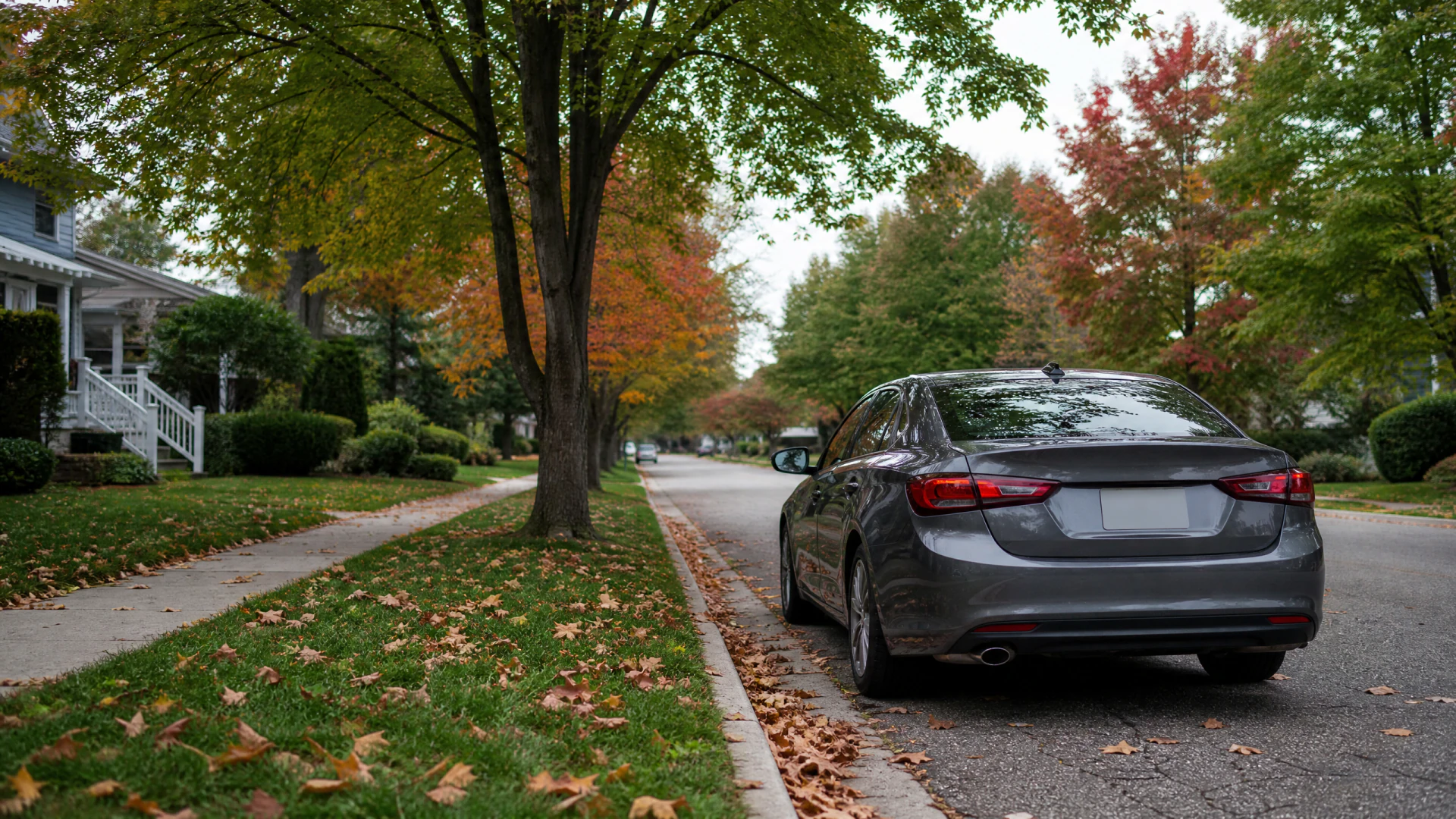
A reader owned a sedan outright that they'd replaced as their daily driver two years earlier. It still ran fine and got used for errands and the occasional road trip, but it sat parked most days. They were paying full coverage on it out of habit, the same as when it was their main car. When they looked up its resale value, it was modest, and the collision and comprehensive premium was a noticeable chunk of that value each year.
They checked how the car was parked, confirmed it stayed in a garage, and considered how rarely it was driven on highways or in unfamiliar areas. They decided to drop collision but keep comprehensive, since the car was low-risk for a crash but still exposed to weather and theft sitting outside occasionally. They kept liability at the same level as their main car, since state minimums didn't feel like enough protection if they caused an accident in it. A year later, a hailstorm damaged the hood and roof, and comprehensive covered the repair. They never second-guessed dropping collision, since the car rarely left the driveway anyway.
Compare quotes now that you know which coverage still earns its keep on the second car.
Why the math changes once the loan is gone
When a lender holds the title, they require full coverage because they have money at stake if the car is totaled or stolen. Once you own the car outright, that requirement disappears, and the only question left is whether the coverage is worth it to you. That's a financial decision, not a safety one, and it depends entirely on what the car is worth and what the coverage costs.
Collision and comprehensive payouts are based on the car's actual cash value at the time of the claim, not what you paid for it or what it would cost to replace. Insurers use the car's age, mileage, condition and local sale prices to set that value. As a car ages, that value drops, but the premium for collision and comprehensive doesn't always drop at the same pace. That gap is what makes carrying full coverage less efficient the older the car gets.
The decision isn't all or nothing. Collision covers crashes you cause or single-car accidents, while comprehensive covers theft, weather, fire and animal strikes. Many owners drop collision first since it tends to cost more, while keeping comprehensive since it's usually cheaper and still protects against events the owner can't control, like hail or a break-in. How much sense each choice makes depends on where the car is kept, how often it's driven, and how exposed it is to weather or theft in your area.
There are cases where keeping full coverage still makes sense, even on an older car. If replacing the car quickly matters to you, or the car has sentimental or mechanical value beyond its market price, the payout math isn't the only thing that matters. Check with your insurer or your state's rules on what's required, since minimum liability limits and how total loss is calculated can vary.
The car's cash value, not its age or your habit of covering it, is what should decide this.
What happens if the second car gets totaled with no collision coverage?
If the car is deemed a total loss and you dropped collision, you get nothing for the vehicle itself. You're still responsible for any damage or injury you caused to others if you were at fault, since liability stays in force regardless of what you did with collision or comprehensive. The car is simply gone from your side of the ledger, and you'd need to replace it out of pocket if you wanted another vehicle.
This is the actual tradeoff you're making, not a hidden risk. If the car's cash value was low enough that a payout wouldn't have mattered much anyway, losing that payout costs you little. If the car still held real value or you'd struggle to replace it quickly, that's the strongest argument for keeping collision even as the car ages.