Liability Only Insurance
Liability only pays for damage you cause to others, nothing for your own car, so it fits a car you could afford to replace.
What to weigh before switching to liability only
- Check the car's real value Look up what your car actually sells for today, not what you paid. That number tells you how much a payout would be worth if you kept collision and comprehensive.
- Know what you'd lose If you drop collision or comprehensive, a crash, theft or hailstorm means you pay to fix or replace the car yourself. Decide if you have that money set aside before you drop it.
- Separate the two coverages Collision covers crashes, comprehensive covers theft, weather and other non-crash events. You can drop one and keep the other if your risks are uneven.
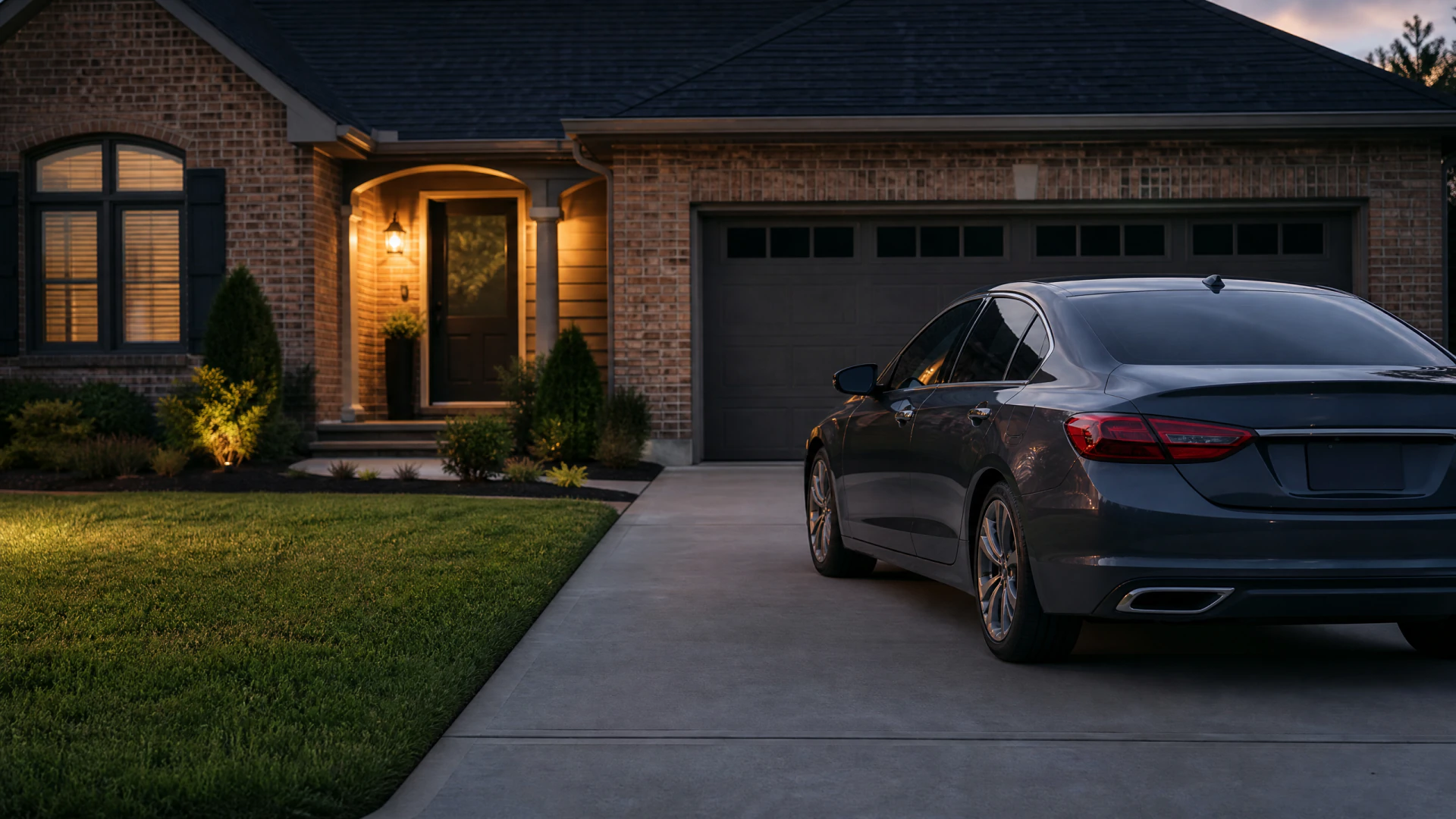
- Think about where you park A car stored outside in a hail-prone area or a high-theft neighborhood has different risks than one in a garage. Match your coverage to the actual risk, not just the car's age.
- Ask about state minimums Liability-only still has to meet your state's minimum limits, and those limits vary. Check your state's requirements before you assume liability alone is enough protection for a serious accident.
The short version
Liability only makes sense once your car's value is low enough that a payout wouldn't be worth much, and you could cover a replacement yourself. Check your car's current value against your premium for collision and comprehensive. Then decide if you can absorb a total loss before you drop that coverage.
What happens if I cause an accident with liability-only coverage?
Liability only pays for the other driver's damage and injuries, up to your policy's limits. It pays nothing toward your own car, no matter who caused the crash.
If you're at fault, your car gets fixed or replaced entirely out of your pocket. If the other driver is at fault, their liability coverage should pay for your car, but that depends on them carrying enough coverage and the claim going smoothly.
This is the real tradeoff of dropping collision. You're not just saving money, you're accepting that any accident you cause becomes entirely your financial problem on the car side. For an older, paid-off car that's often a reasonable trade. But it's worth saying plainly so you're deciding with open eyes.
Compare quotes for liability-only coverage now that you know exactly what it protects and what it doesn't.

Should you drop collision and comprehensive
If you do
Your premium drops, often significantly, since you're no longer paying to insure the car's own value. If you crash, get hit by weather, or the car is stolen, you pay out of pocket for repair or replacement. You're betting the savings outweigh the risk for a car you could afford to lose.
If you don't
You keep paying for collision and comprehensive, which means a crash, theft or storm gets paid out up to the car's value. For an older car that payout may be modest. You're paying to protect a car that might not be worth protecting at full cost anymore.
How do I find out what my car is actually worth before deciding?
Look up your car's current value using a pricing guide or recent sale listings for the same make, model, year and mileage. This gives you a realistic number rather than what you paid years ago or what you assume it's worth. Compare that number to what you'd pay annually for collision and comprehensive. If the premium is a large share of the value, dropping it starts to make sense. Condition, mileage and local demand all affect this number, so check more than one source.
Will dropping collision and comprehensive lower my premium a lot?
It depends on your car, your driving record and your insurer, so there's no fixed amount to expect. Collision and comprehensive are usually a meaningful part of a full coverage premium, especially on a car with higher value or in a high-theft or high-hail area. Ask your insurer for a side-by-side quote showing your premium with and without those coverages. That comparison tells you exactly what you'd save, which is more useful than any general rule.
Can I add collision and comprehensive back later if I change my mind?
Yes, you can typically add coverage back at your next renewal or by contacting your insurer directly. Some insurers may require a new inspection or photos of the car's condition before reinstating it. There's usually no penalty for dropping coverage and later re-adding it, but check with your specific insurer since policies on this can vary.