What Does Liability Only Coverage Mean
Liability only coverage pays for damage and injuries you cause to others, but nothing for your own car.
Why liability covers them but never you
Liability coverage exists to protect other people from the cost of a crash you cause. It pays for the other driver's car, their medical bills, and sometimes legal costs if they sue you. It was never designed to touch your own vehicle, because that's a separate kind of promise insurers call collision and comprehensive coverage.
When you drop collision and comprehensive, you're not reducing liability coverage, you're removing the part of the policy that paid for your car specifically. That means a hailstorm, a theft, a deer in the road, or you sliding into a guardrail all become costs you carry yourself. Liability keeps paying for everyone else's losses exactly as before.
This is why owning your car outright changes the math but not the mechanics. A lender required collision and comprehensive because the car was collateral for a loan they wanted protected. Once the loan is gone, that requirement disappears, but the coverage still works the same way it always did. The decision becomes whether paying to protect the car's value still makes sense given what the car is actually worth now.
What counts as liability, and what the minimum amount of it looks like, varies by state. So does whether your state requires any additional coverage like uninsured motorist protection alongside it. Check your state's specific requirements before you change anything, since liability only rarely means just one single coverage.

What liability only actually leaves you exposed to
- Your own car's repairs If you cause a crash, liability won't pay to fix or replace your car. You'd cover that repair or replacement entirely yourself.
- Theft and weather damage Without comprehensive, a stolen car or one damaged by hail, flood, or fire gets you nothing from insurance. Decide if you can absorb that loss.
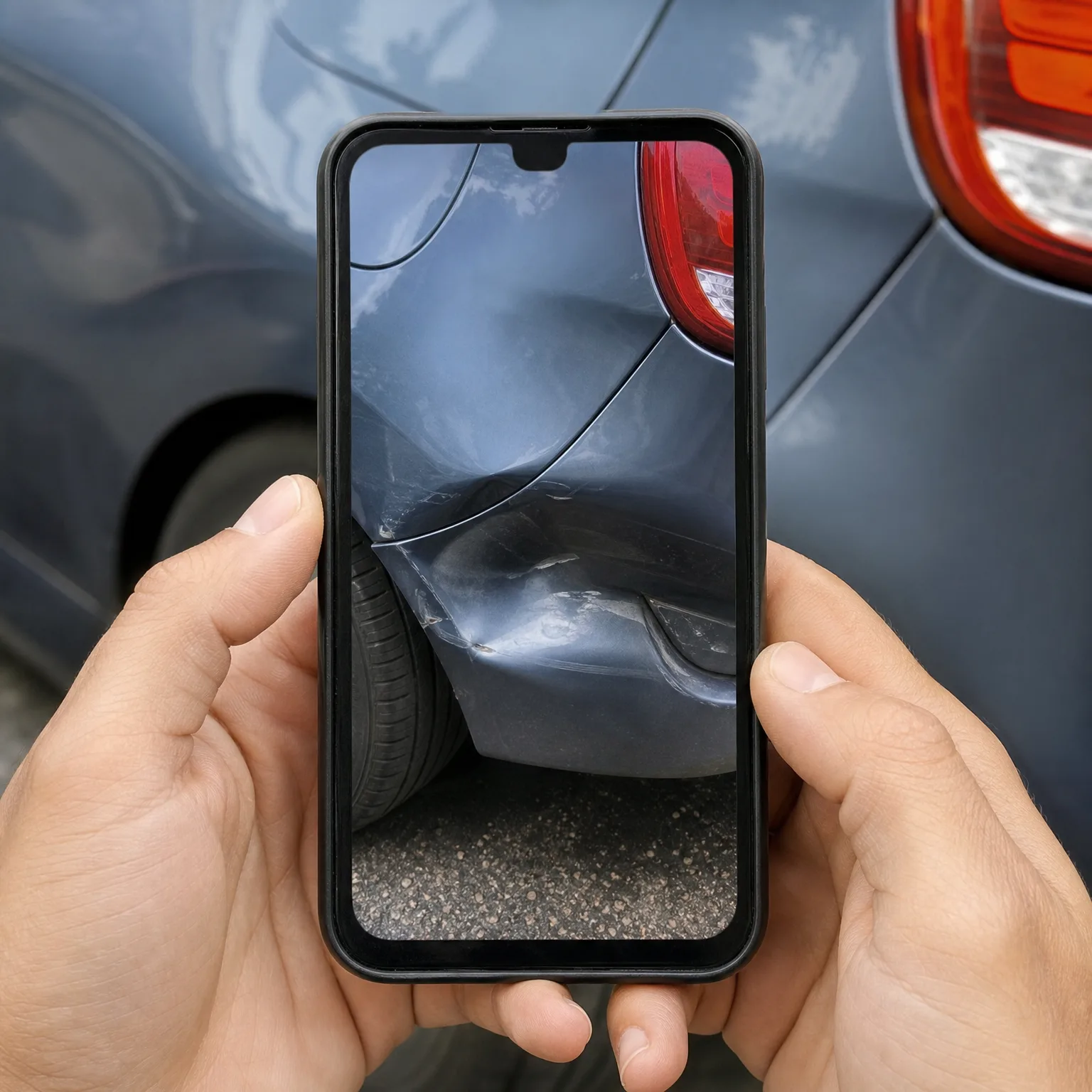
- Hitting a stationary object Sliding into a pole, fence, or guardrail is a collision claim, not a liability one. Liability only means you'd pay for that repair out of pocket.
- What your state still requires Some states mandate more than basic liability, like uninsured motorist coverage. Check your state's rules before assuming liability only is a complete policy.
- How payouts get valued If you keep collision or comprehensive, any payout is based on the car's current market value, not what you paid. Look up that value before deciding.

Dropping to liability only on a paid-off car
If you do
Your premium drops right away since you stop paying for collision and comprehensive. If you crash, hit something, get hailed on, or your car is stolen, you pay the full repair or replacement cost yourself. Liability still covers damage and injury you cause to others, unchanged.
If you don't
You keep paying for collision and comprehensive on a car that may be worth much less than when the policy was new. Any claim payout is capped at the car's current value, not its original price. You're protected against those losses, but possibly paying more than they're worth.
Once you know which coverage still makes sense for your car, compare quotes to see what liability only would cost.
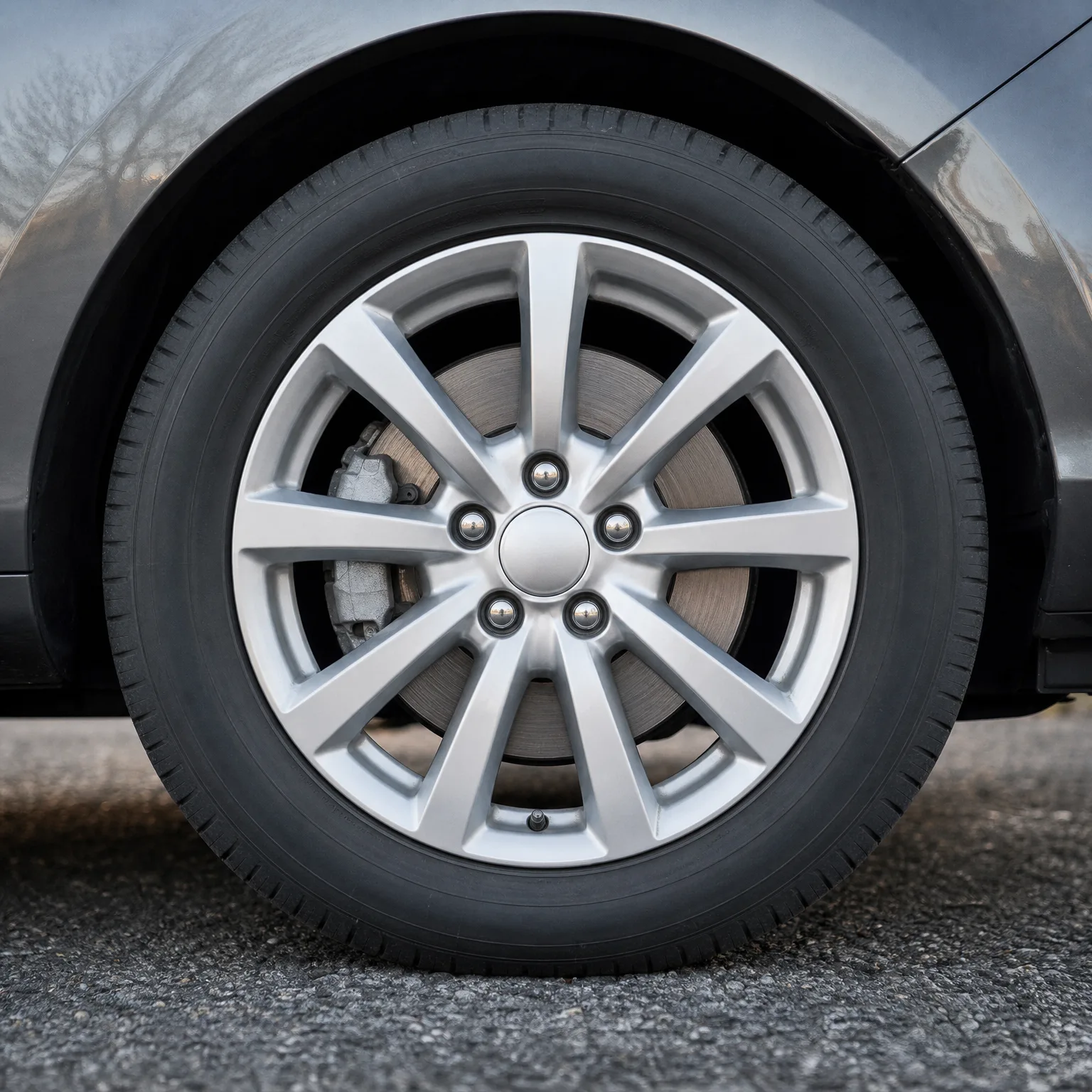
A ten-year-old sedan after the loan was paid off
A driver finished paying off a sedan they'd had for years and started wondering if full coverage still made sense. They looked up what similar cars were selling for and found the number was modest, far less than they'd assumed. They compared that figure to what they were paying each year for collision and comprehensive combined and realized the coverage cost a real chunk of the car's total worth.
They decided to drop comprehensive and collision but kept liability at a level above their state's minimum, since they still wanted real protection if they caused a serious crash. A few months later a shopping cart dinged the door in a parking lot, and they paid for the small repair themselves without blinking. They felt fine about the trade, because the money saved over a year covered that repair many times over, and they'd already decided they could absorb a bigger loss if one came.
The real question isn't affording insurance, it's whether your car is still worth what you pay to protect it.
Should I keep comprehensive even if I drop collision?
Many people do exactly this, and it's a reasonable middle ground. Comprehensive covers theft, fire, vandalism, and weather damage, things you can't prevent with careful driving. Collision covers crashes, which are at least partly within your control. Some owners feel comfortable self-insuring against a crash they cause but still want protection against a hailstorm or theft they can't prevent at all.
Whether this split makes sense depends on where you live and how you park. Someone in an area prone to hailstorms or with no covered parking faces real comprehensive risk. Someone who parks in a garage and drives rarely faces less. Look at your car's value, then weigh that against what comprehensive alone costs, since it's usually cheaper than collision and often worth keeping even when collision isn't.