Do I Want a Higher or Lower Car Insurance Deductible
A higher deductible usually makes sense once you own the car outright and have the cash to cover it if something happens.
A hailstorm and a choice made months earlier
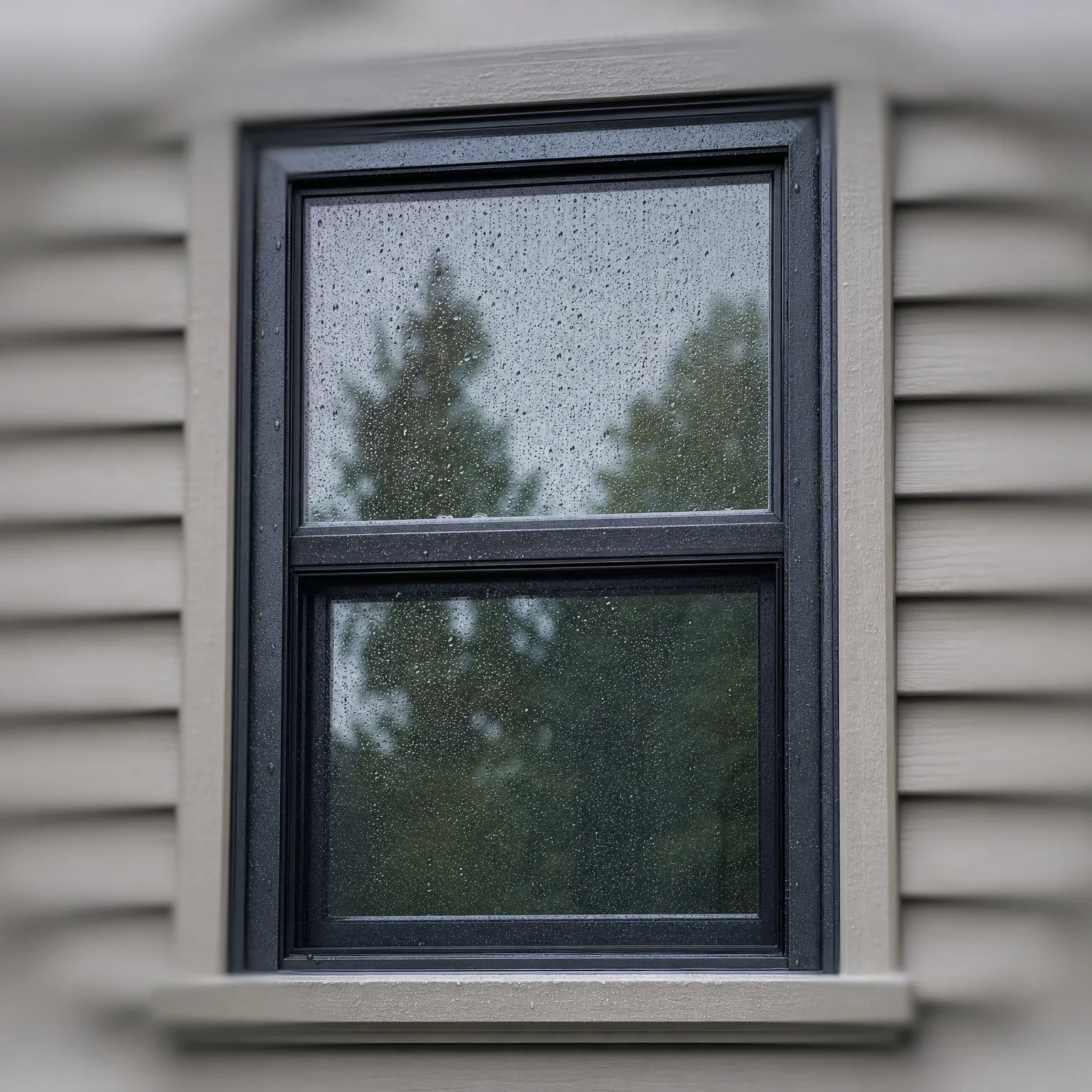
Someone owned a ten-year-old sedan outright and had raised the deductible on both collision and comprehensive a season earlier, mostly to lower the premium since the car was fully paid off and they had savings set aside. A hailstorm hit the area and left dents across the hood and roof. The repair estimate came in above the old deductible but close to the new, higher one.
Because they'd already decided the car wasn't worth insuring like a new purchase, the higher deductible didn't come as a surprise. They paid it, got the dents fixed, and kept the lower premium they'd been paying all year. Had they left the deductible low, they would have paid less for that one repair, but they'd also have paid more every month for coverage they rarely used. The storm didn't change their mind. It confirmed the math they'd already done.
What deductible should I pick if I can't decide on an exact number?
Pick the highest deductible you could pay in cash today without disrupting your budget, not the highest one offered. Insurers often let you choose from a range, and the top of that range isn't automatically right for you just because it lowers the premium most.
Think of the deductible as a bet you're placing on yourself not needing to file a claim often. The more comfortably you could cover a large deductible out of pocket, the more sense it makes to raise it. If paying it would mean borrowing money or skipping other bills, drop down a level. There's usually no penalty for choosing a middle option, and it's the most common choice for a reason.
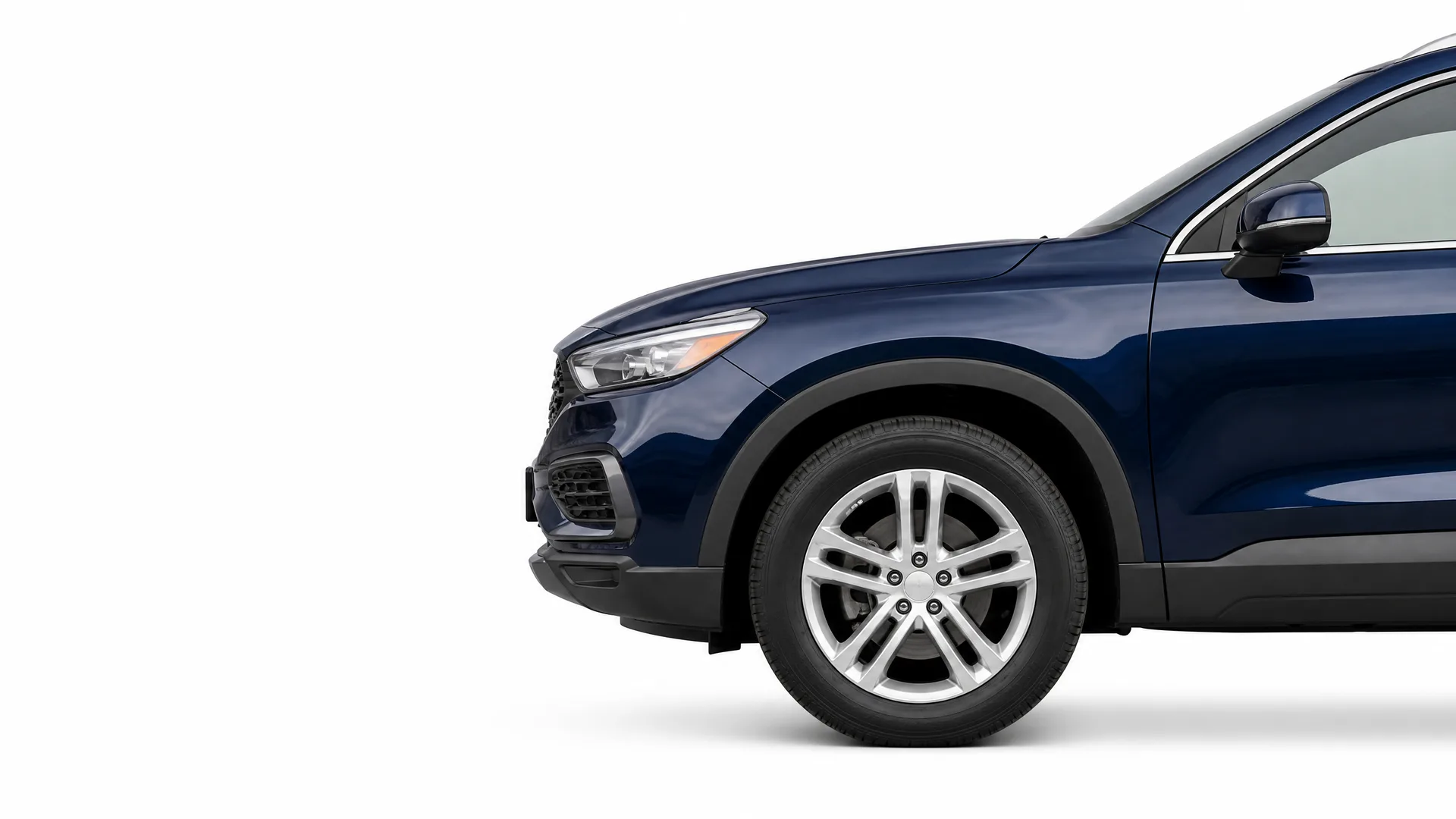
The deductible is the amount you choose to self-insure instead of paying a premium for.
Once you've settled on a deductible that fits your car and your savings, compare quotes to see what it actually costs.
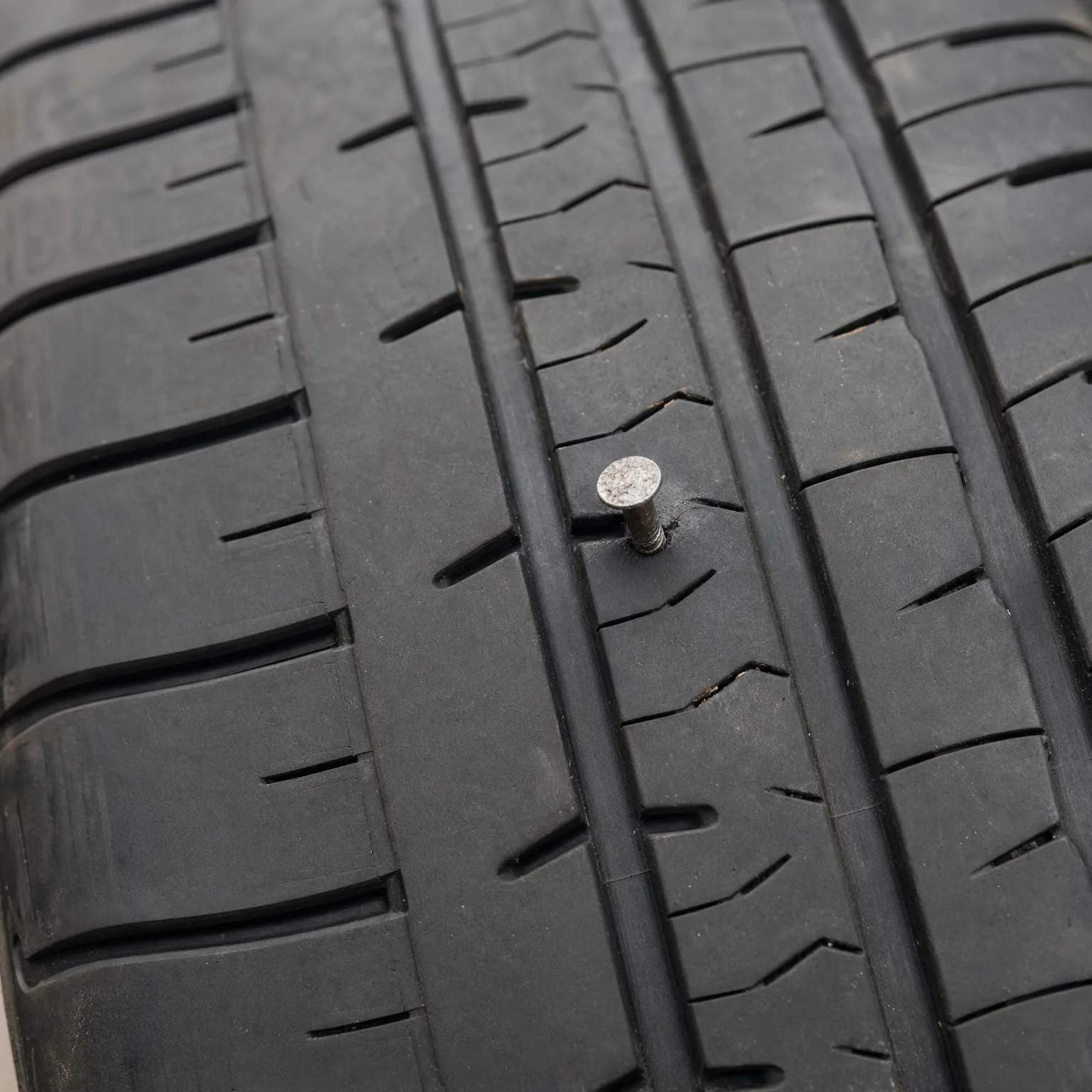
What actually changes the right deductible for you
- Cash on hand A higher deductible only works if you can pay it immediately after a claim. Check your savings before raising it, not just the premium quote.
- Car's current value An older car's payout is capped at its value, not the repair cost. Look up what your car is worth before picking a deductible close to that number.
- How often you drive More miles and more exposure to traffic raise your odds of a claim. If you drive a lot, a moderate deductible balances savings against realistic risk.
- Where you park overnight Street parking in a dense area raises comprehensive risk from theft or vandalism. Keep that deductible lower than you might otherwise choose.
- State and insurer rules Some insurers cap how high a deductible can go or set different rules for collision versus comprehensive. Check your insurer's options before assuming full flexibility.
Why the deductible works like a dial, not a switch
A deductible is the line where your money stops and the insurer's starts. Raising it shifts small and medium claims onto you while lowering what you pay every month. Lowering it does the opposite, trading a higher premium for less exposure on each individual claim. Neither direction is correct in general. It depends on how often you expect to use the coverage and how easily you could absorb a claim yourself.
For an older car owned outright, the math tends to favor a higher deductible, because the car's value puts a ceiling on any payout anyway. If the most you could ever collect is modest, paying a lower premium for years to protect that ceiling often costs more over time than just raising the deductible and banking the difference. This isn't true for every owner. Someone with little savings or a car still worth a fair amount might find a lower deductible still earns its keep.
The other factor is how claims actually get used. Many owners who keep a low deductible rarely file small claims anyway, because a claim can affect future pricing and isn't worth it for minor damage. If you already know you'd pay out of pocket for small dents rather than file, you're effectively already running a higher deductible in practice, just without the lower premium to show for it. Raising the number on paper to match your real behavior usually makes sense.
Where it works out differently is when the car sees heavy use, sits somewhere prone to weather or theft, or when the owner would genuinely struggle to produce the deductible amount in cash on short notice. In those cases, a lower deductible isn't overcaution. It's matching the coverage to real risk rather than theoretical savings.
Does raising my deductible lower my premium by a lot?
It lowers it, but how much varies by insurer, your driving record, and your car's value, so there's no universal amount. Ask your insurer directly for the premium at each deductible level you're considering. Compare the dollar difference in premium over a year against the extra you'd pay out of pocket if you filed a claim. If the premium barely moves, there's little reason to raise the deductible.
Can I have a different deductible for collision and comprehensive?
Yes, most insurers let you set them separately rather than forcing the same number for both. Comprehensive covers things like weather, theft and animal strikes, which may happen less often than collision depending on where you live and park. If comprehensive claims feel unlikely for you, a higher comprehensive deductible paired with a lower collision one can make sense. Check with your insurer since not all offer this split.
What happens if I can't pay my deductible after a claim?
The repair or payout gets held up until you pay it, since the insurer subtracts the deductible from what they owe you. Some shops will wait for payment, but others require it upfront before starting work. This is exactly why the deductible should match what you could produce in cash quickly. If that's uncertain, lowering the deductible removes that risk even at a higher monthly cost.