Should I Change My Insurance When I Pay Off My Car
Yes, paying off your car is the right time to review coverage, since you're now the one deciding what protection is worth paying for.
What to actually check before you change anything
- Find the car's real value Look up what your car would sell for today, not what you paid for it. This number tells you the most a payout could ever be, no matter how much coverage you carry.
- Compare value to premium Add up what collision and comprehensive cost you per year. If that cost is a large share of the car's value, you're paying a lot to protect a payout that's shrinking every year.
- Know what liability skips Liability covers damage you cause to others, not repairs to your own car. Dropping collision and comprehensive means you'd pay out of pocket for a crash, theft, or hail damage to your own vehicle.
- Split the two coverages Collision and comprehensive cover different risks and cost differently. You can drop one and keep the other, so weigh crash risk against theft and weather risk for your area and parking situation.
- Check state and insurer rules Minimum liability requirements vary by state, and insurers vary in how they let you mix coverage levels. Call your insurer and ask what combinations they actually offer before you decide.
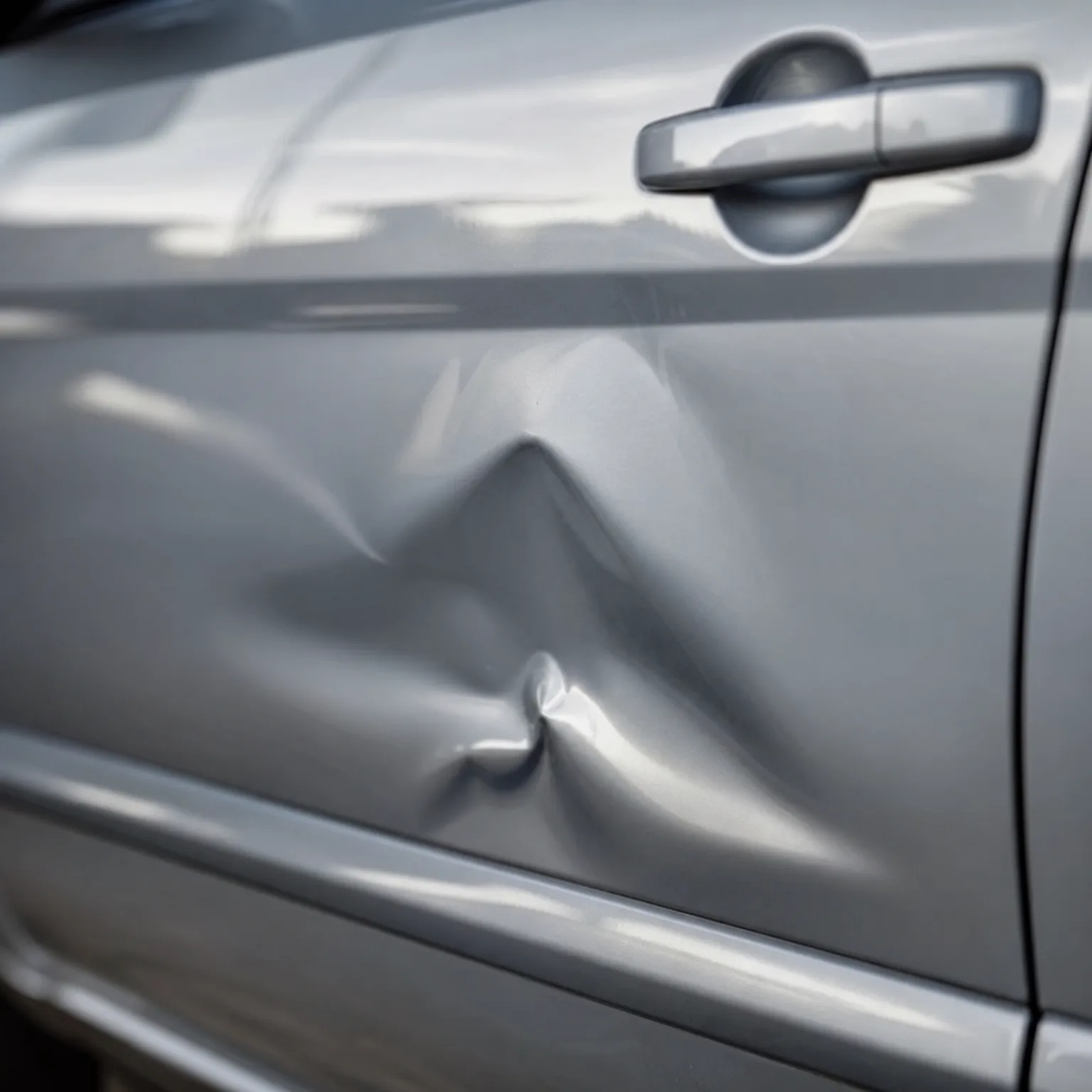
An older sedan, paid off, and a decision about hail season
Say you just made the final payment on a car you've had for eight years. It runs fine and you plan to keep driving it for years, but you live somewhere that gets hail most summers. You look up the car's value and it's modest, nowhere near what you paid. Your collision and comprehensive premiums together cost a real chunk of that value every year.
You decide to drop collision, since you're a careful driver and the odds of a serious at-fault crash feel low to you, but you keep comprehensive because hail and theft feel like the risks you actually can't control. You call your insurer, confirm they'll let you carry comprehensive without collision, and check your state's minimum liability rules to make sure you're still covered there. The next hailstorm comes through a few months later and dents the hood and roof. Comprehensive covers the repair, minus your deductible, and you never had to touch the collision coverage you dropped.

Once you know which coverage to keep, compare quotes to see what that exact mix costs from different insurers.
Why this decision is yours to make now
A lender requires full coverage because they have a financial stake in your car until it's paid off. Once you own it outright, that requirement disappears, and the coverage decision becomes entirely about what you think the car is worth protecting.
Collision and comprehensive insurance pay out based on your car's current market value, not its original price and not what you still feel it's worth to you. As a car ages, that value drops, but the cost of covering it doesn't always drop at the same pace. At some point the math shifts, and you end up paying a premium that's large relative to the most you could ever collect.
This is why the comparison between value and premium matters more than any general rule about when to drop coverage. A car that's cheap to repair and cheap to replace might not be worth full coverage even if it still runs great. A car that's expensive to repair, or that you couldn't easily replace, might still be worth protecting even at a lower value.
Where this plays out differently is for people who couldn't absorb a sudden repair bill or replacement cost without real strain, or who live somewhere with high theft or severe weather risk. In those cases, keeping comprehensive, or both coverages, can still make sense even on an older car, because the risk you're insuring against is about your own exposure, not just the car's price tag.
The real question isn't what your car is worth. It's what you'd do the week after you lost it.
How is an insurance payout calculated on an older car?
Insurers pay out the car's actual cash value at the time of the loss, which accounts for age, mileage, and condition, not what you paid or what you've spent maintaining it. They typically use valuation guides and local sale listings for similar cars to set that number. Check your policy for how your insurer determines this, since methods vary. If you've made major upgrades or repairs, document them, since they can sometimes raise the valuation.
What happens if I drop comprehensive and my car gets stolen?
Without comprehensive, a stolen car isn't covered at all, so you'd absorb the full loss yourself. Comprehensive is specifically the coverage that handles theft, along with fire, vandalism, and weather damage. If theft rates are notable where you live or park, that's a strong reason to keep comprehensive even if you drop collision. Check local theft statistics and your parking situation before deciding.
Can I raise my coverage back up later if I change my mind?
Yes, you can typically add collision or comprehensive back at your next renewal or even mid-policy in most cases. Your premium will reflect your car's value at that later date, which will be lower than today. Check with your insurer about whether there's a gap or inspection requirement when re-adding coverage after dropping it, since this varies by company.