Roadside Coverage for Older Cars
Roadside coverage makes sense for almost any car, paid off or not, because it covers a breakdown, not a crash.
It's priced for how often you'll use it, not what the car is worth
Roadside coverage isn't tied to your car's value the way collision or comprehensive are. It pays for a tow, a jump start, a tire change or a lockout, regardless of whether the car is worth a lot or a little. That's why dropping collision or comprehensive on an older car can make sense while keeping roadside coverage still does. One is about protecting the car's value. The other is about getting you home.
Older cars tend to need roadside help more, not less. Batteries weaken, belts wear, tires age out even with good tread. The parts that strand you on the shoulder don't care how much the car is worth on paper, and an older car is statistically more likely to need a tow than a newer one still under warranty.
Where this can vary is in how the coverage is bundled. Some insurers sell it as a cheap add-on to your policy. Others fold it into a membership program that isn't tied to insurance at all. Check whether your policy already includes it, and compare what a standalone membership offers, like how many tows per year and whether it covers flatbeds for lowered or all-wheel-drive cars.
The one case where it stops making sense is if you already have overlapping coverage. If you've got a manufacturer roadside plan still active, or a membership through a credit card or auto club, paying for it twice is the only real mistake to watch for here.
A paid-off sedan with a bad battery and no collision coverage
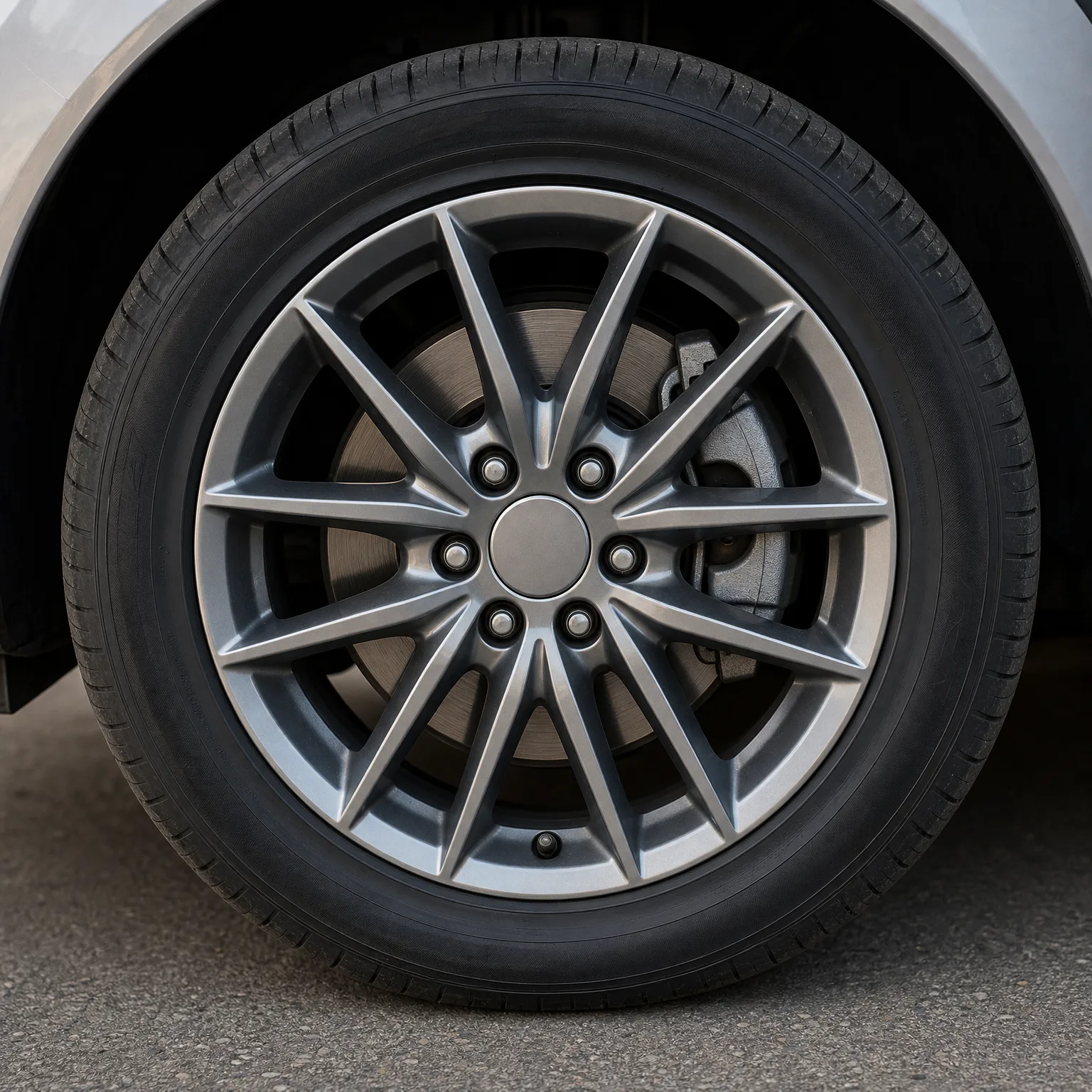
Say you own a twelve-year-old sedan outright. You've just dropped collision and comprehensive because the car's value no longer justified the premium, and you're feeling good about the decision. A few weeks later, on a cold morning, the battery won't turn over. You're in your driveway, so it's not dangerous, just inconvenient, but it's the kind of thing that happens more often as a car ages.
You call your insurer and find out roadside coverage was never dropped. It was a separate, inexpensive line item you'd kept without really thinking about it. A tow truck comes out, jumps the battery, and you're on your way within the hour. The cost of that service alone would have been more than a year of the coverage. It's a small moment, but it's the clearest illustration of why roadside and physical damage coverage are different decisions. One protects the car's value. The other just gets you moving again.

Keep roadside coverage or drop it along with full coverage
If you do
You stay covered for tows, jump starts, flat tires and lockouts, no matter how old the car gets or what it's worth. Costs stay low since this coverage isn't based on your car's value. When something mechanical strands you, a call gets you moving again without an out-of-pocket surprise.
If you don't
You're on your own if the car breaks down on the road. A tow alone can cost more than years of coverage combined. You can still get help through a membership or roadside app, but you'll be arranging and paying for it yourself in the moment, often at the worst possible time.
Now you know which coverage fits your car, so compare quotes to see what keeping roadside coverage costs.
Does roadside coverage disappear if I drop full coverage?
No, not automatically. Roadside coverage is usually a separate line on your policy, added and removed on its own. Dropping collision and comprehensive doesn't touch it unless you specifically remove it too.
This is exactly why it's worth checking your policy's declarations page rather than assuming. Insurers structure these differently. Some bundle roadside coverage with comprehensive, so dropping one drops the other. Others keep it fully independent. If you're making changes to your coverage because the car's value no longer justifies collision or comprehensive, confirm roadside coverage specifically, line by line, before you finalize anything with your insurer.
Roadside coverage protects you from a breakdown. Collision and comprehensive protect the car's value.
Is roadside assistance worth it for an older car?
Yes, usually more so than for a newer one. Older cars break down more often from worn parts like batteries, belts and tires, and the cost of even one tow typically exceeds a year of coverage. Check what your policy charges for it and what a standalone membership would cost instead, since the better deal depends on how the insurer prices the add-on.
What's the difference between roadside assistance and towing coverage?
Roadside assistance usually includes towing plus other on-the-spot help like jump starts, tire changes, fuel delivery and lockouts, while towing coverage alone may only pay for the tow itself. Check your policy's exact wording, since insurers use these terms differently. If you only see towing listed, ask what else is or isn't included before assuming it covers a dead battery or lockout.
Can I add roadside assistance without full coverage?
Yes, roadside assistance is typically its own add-on and doesn't require collision or comprehensive coverage. You can carry liability-only insurance and still add roadside coverage on top of it. Confirm with your insurer that it's offered as a standalone option, since a few insurers do require it to be bundled with broader coverage.