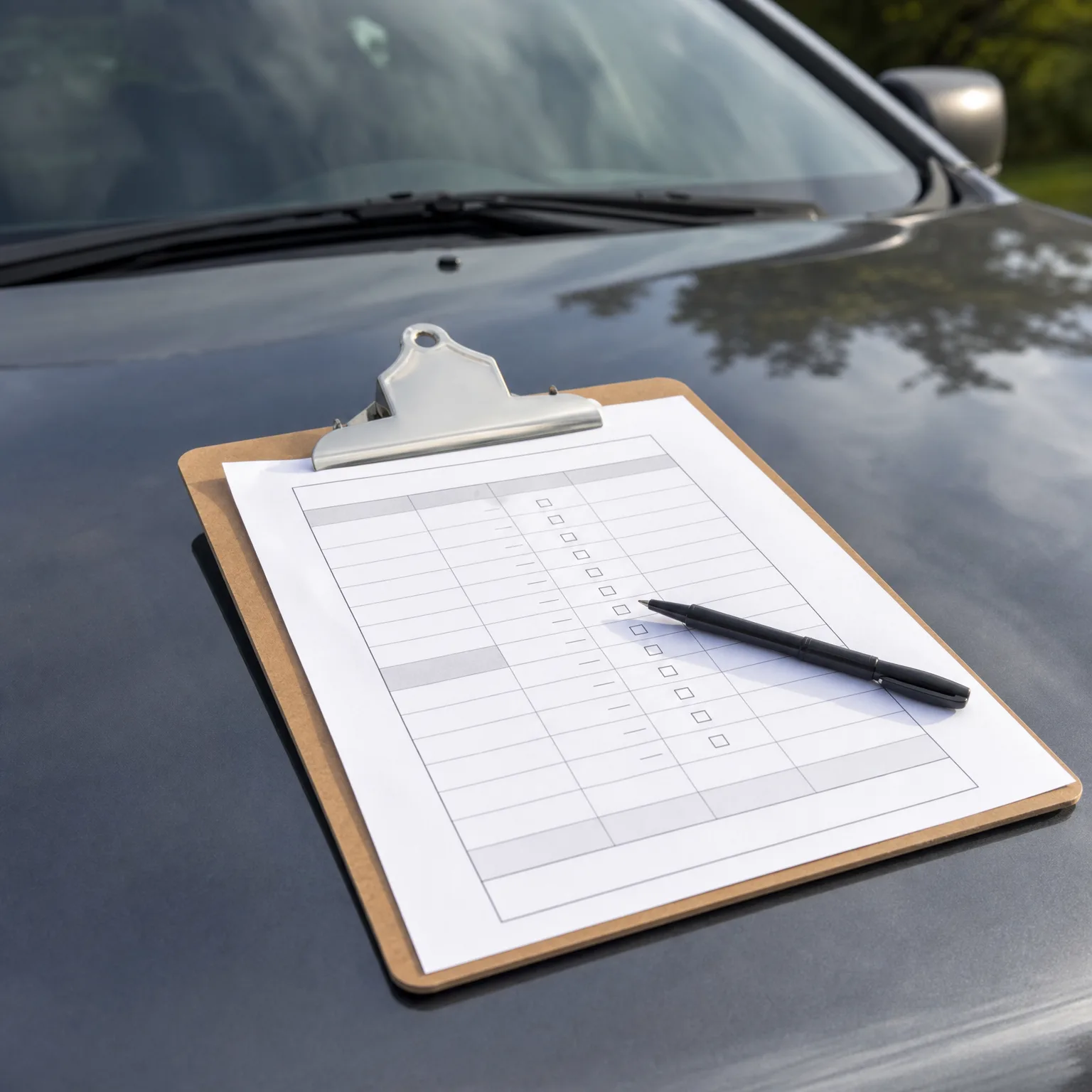
What Exactly Is a Car Lien Release
A lien release is the document your lender issues once you've paid off the car, proving they no longer have a legal claim on it.
Why this document exists and what it changes
When you finance a car, the lender places a lien on the title. That lien is their legal right to repossess the car if you stop paying. It also gives them a financial interest in the car that shows up in how your insurance works, since they usually require you to carry full coverage with them listed as the loss payee on the policy.
Once you pay off the loan, the lender's claim on the car ends, but it doesn't end automatically in the eyes of the state or your insurer. The lien release is the paperwork that makes it official. It tells the motor vehicle agency the debt is settled and the title can be reissued free of the lender's name. It tells your insurer the same thing, which matters because without it, your policy may still list the lender as a party with rights to any payout.
How this gets processed varies. In some states the lender sends the release directly to the motor vehicle agency and a clean title shows up in the mail. In others, you receive the release yourself and have to take it in to get the title updated. Some states still use paper titles held by the lender until payoff, others track liens electronically. Check with your state's motor vehicle agency to see which applies to you, since the steps and the time it takes depend on that.
Until the lien is released and the title updated, you're the owner but the record doesn't fully reflect that yet. This mostly matters if you want to sell the car, refinance, or change your insurance coverage without the lender's name attached. It rarely causes a problem day to day, but it's worth finishing the process rather than assuming it happened automatically when you made the last payment.
What to actually do with this document
- Get it in writing Your lender should send a lien release or satisfaction letter automatically after your final payment. If weeks pass with nothing, call and ask them to send it.
- Update the title Take the release to your state's motor vehicle agency so they can issue a title in your name alone. Requirements and timelines depend on your state, so check what's needed there.
- Tell your insurer Once the lien is gone, ask your insurer to remove the lender as loss payee. This is also your moment to decide if you still want full coverage or want to adjust it.
- Keep the paperwork Store the release and the new title somewhere safe, since you'll need them to sell, trade in, or prove clear ownership later. Don't rely on your lender to keep a copy for you.
- Watch for errors Mistakes happen, liens sometimes stay listed after payoff due to processing delays or paperwork issues. If your title still shows a lien months later, follow up with both the lender and the agency.

Whether you follow up to finish the lien release
If you do
You get a clean title in your name, your insurer updates who has rights to any claim payout, and you can sell, trade, or refinance the car without delays. You also gain the freedom to adjust your coverage without a lender's requirements attached to it.
If you don't
Your title and insurance may still list the lender even though the debt is paid. This can slow down a sale, complicate a claim payout, or cause confusion if you try to change coverage, since the paperwork doesn't match reality yet.
With the lien released and title clear, compare quotes to make sure your coverage fits a car you now own outright.

How long does it take to get a lien release after paying off a car loan?
It depends on the lender and the state, since some process releases within days and others take weeks. Electronic title states tend to move faster because the lender updates records directly. Paper title states can take longer if documents have to be mailed. If it's been over a month with nothing, call your lender directly and ask for a timeline, and contact your state motor vehicle agency if they can't give you one.
Do I need a lien release to sell my car?
Yes, in most cases, because a buyer or dealer wants a title free of any lien before completing the sale. If your title still shows the lender, you'll likely need to provide the release separately or wait for the title to be reissued. Requirements vary by state, so check with your local motor vehicle agency about what's acceptable, since some allow a letter from the lender as a temporary substitute.
What happens if a lien release is never sent or gets lost?
You can request a duplicate from the lender, who is required to provide one since the debt is already satisfied. If the lender no longer exists or won't respond, your state motor vehicle agency usually has a process for clearing an old lien with proof of payoff, like bank statements. This can take longer, so start the paperwork as soon as you notice the issue rather than waiting.

Paying off the loan isn't the finish line. The release and title update are what make the car fully yours.