When Collision Coverage Stops Making Sense
Collision stops making sense once what you'd pay for it, plus the deductible, nears what the car would be worth in a payout.
A paid-off sedan with a cracked bumper and a decision to make
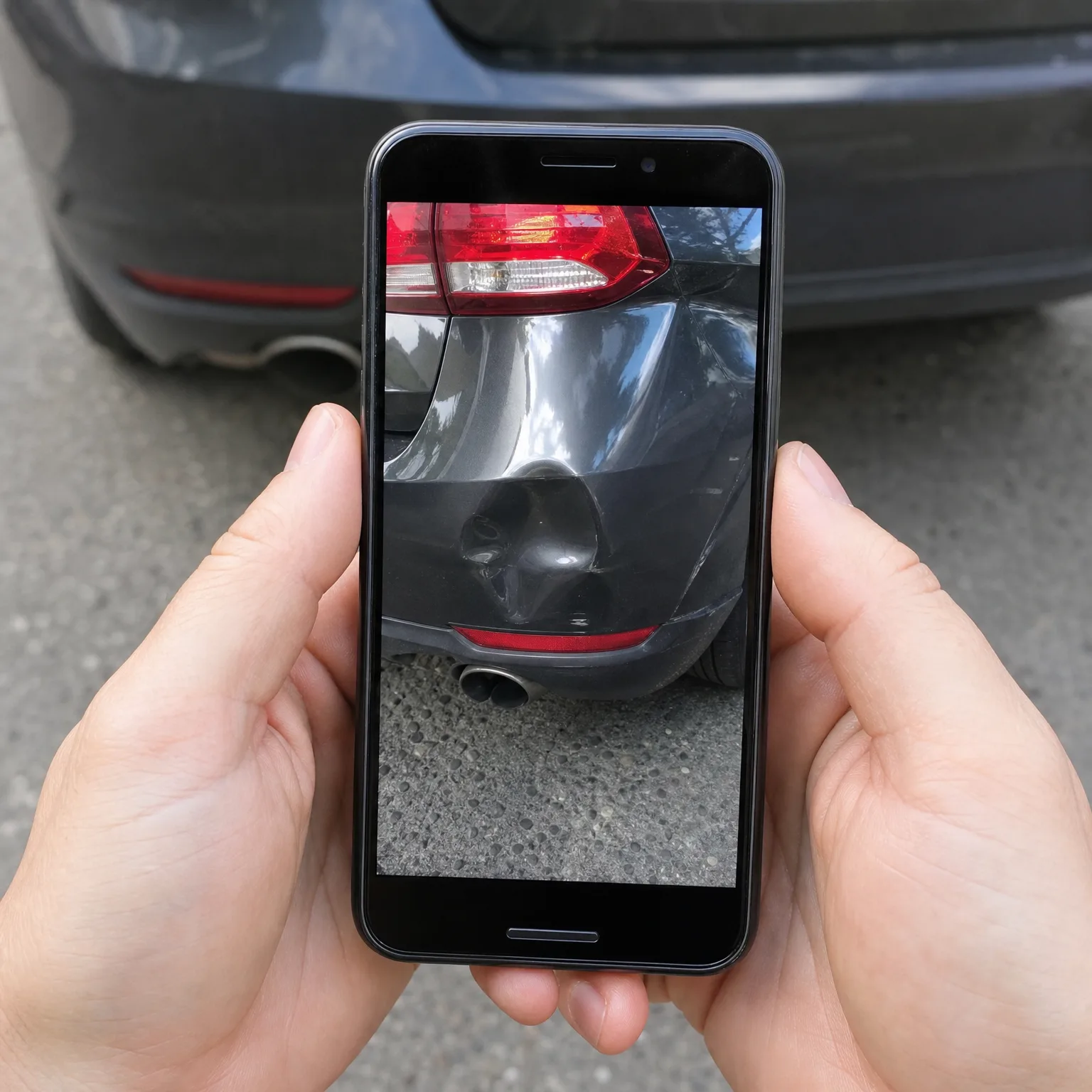
A reader owned a sedan outright for several years, the kind of car that still ran fine but wasn't worth much on paper. After a minor parking lot scrape, the body shop quote came back higher than expected, and it made them wonder what the car would even be worth if it were totaled instead of dented. They pulled up the premium breakdown and saw collision was a real chunk of the bill, separate from liability and comprehensive.
They checked what the car would likely pay out in a total loss, using recent sale prices for similar cars nearby, and compared that number against a year of collision premiums plus the deductible they'd owe. The gap was narrow enough that dropping collision made sense to them, but they kept comprehensive since theft and weather damage in their area felt like a real risk worth covering. They dropped collision at renewal, kept the savings in mind as a repair cushion, and felt settled with the trade they'd made rather than wondering if they'd made the wrong call.
The short version
Drop collision when the payout you'd get for a total loss no longer justifies what you're paying for the coverage plus the deductible. Compare your car's likely cash value against a year or two of collision premiums to see where that line sits. Then decide separately about comprehensive, since it protects against different risks at a different cost.
What happens if I drop collision and then get into an accident?
If the accident is your fault or a no-fault one, you'd pay for repairs yourself, or the car wouldn't get fixed at all if the cost isn't worth it to you. Liability coverage still pays for damage you cause to someone else's car or property, so you're not exposed there. What changes is whether your own car gets repaired on the insurer's dime or yours.
If someone else is clearly at fault, their liability coverage should still pay for your repairs regardless of whether you carry collision. The risk you're taking by dropping it is specifically about accidents that are your fault, or ones where fault is unclear, or hit and run situations depending on your state's rules. Weigh that risk against what you're saving before you decide.
Once you know whether collision still pencils out for your car, compare quotes to see what dropping it actually costs.

Dropping collision coverage on a paid-off car
If you do
You stop paying for collision and keep the difference every month. If you cause an accident or your fault is unclear, you cover your own car's repair or replacement yourself. Liability still pays for damage to others. You've traded a monthly cost for a risk you're accepting on your own terms.
If you don't
You keep paying collision premiums sized to a car that may be worth much less than when the coverage made sense. If you total the car, the insurer pays its current value, not what you paid for the car or the coverage. You're protected either way, but possibly paying more than the protection is worth.
What to weigh before you drop anything
- Find the car's real value Look up what similar cars are actually selling for nearby, not what you paid or what a general estimate says. This number is what a payout would be based on, not sentimental or replacement value.
- Add up a year of premiums Check what you're paying annually just for collision, separate from liability and comprehensive. Compare that number plus your deductible against the car's value to see if the coverage still makes sense.
- Treat comprehensive separately Comprehensive covers theft, weather, and animal strikes, which are different risks than collision covers. You can drop one and keep the other if that matches the risks you're actually worried about.
- Check your state's rules Some states or lenders have requirements that affect what you can drop, even on a paid-off car. Ask your insurer directly what applies to you before making changes.
- Plan for a total loss Think about whether you'd replace the car or go without one if it were totaled tomorrow. That answer tells you how much the payout actually matters to your plans.
Why the math changes as a car ages
Collision coverage exists to pay for damage to your own car after an accident you caused, up to what the car is currently worth. That value drops every year, but the coverage itself doesn't get cheaper at the same pace, since premiums are also shaped by your driving record, where you live, and the cost of repairs in general. Eventually the car's value falls low enough that the most the policy could ever pay you gets close to what you're spending to keep the policy active.
When a lender holds the loan, they require collision and comprehensive because the car is their collateral too. Once the car is paid off, that requirement disappears, and the coverage becomes entirely your call. This is why paid-off cars are the ones where this question actually comes up. Nobody is forcing the coverage on you anymore, so it's worth checking whether it still earns its place in your budget.
The decision isn't really about whether you can afford the premium. It's about whether the payout, if the worst happened, would actually be worth collecting compared to what you've spent to keep that option available. For a car with real resale value, collision often still makes sense because the payout would meaningfully help you replace it. For a car worth much less, the premium can end up costing more over a few years than the payout would ever return.
There are cases where the math points a different way even on an older car. If you live somewhere with a lot of deer, ice, or unpredictable drivers, or if replacing the car at all would be hard for you right now, keeping the coverage can still be the right call even when the numbers look thin. The value of the payout isn't only financial, it's also about not having to make a hard decision right after a bad day.