When to Drop Collision Coverage on a Car
Drop collision when what you'd be paid in a payout no longer justifies what you're paying in premium each year.
Run these checks before you cancel anything
- Find the car's real value Look up what similar cars in similar condition are actually selling for near you, not a rough guess. That number is what any payout would be based on, minus your deductible.
- Compare value to premium Add up what you pay each year for collision alone. If that cost is a large chunk of what the car is worth, the coverage is working against you.
- Check the deductible math Subtract your deductible from the car's value to see what you'd actually receive after a covered crash. A high deductible on a low-value car can make a payout barely worth filing for.
- Decide comprehensive separately Collision and comprehensive cover different risks and often cost differently too. You can drop one and keep the other if that fits the car better.
- Weigh what you could absorb If the car were totaled tomorrow, consider whether you could replace or repair it out of pocket. That answer matters more than any formula.
What if I drop collision and then total the car next month?
You'd be out whatever the car was worth, paid for out of your own pocket instead of through a claim. That's the real trade you're making, and it's worth sitting with before you decide.
The way to weigh it is to ask what you lose either way. If you keep paying for collision, you're spending money year after year for a payout that keeps shrinking as the car ages. If you drop it, you're accepting one possible bad month in exchange for saving money every other month. For an older car that's mostly paid for its value many times over in premiums, dropping it is usually the better bet, but only you can judge whether you could handle replacing the car without that coverage.
The real question isn't whether the car could be totaled, but whether the payout justifies the cost.
Once you know what to keep, compare quotes with that coverage already decided so you're not overpaying.
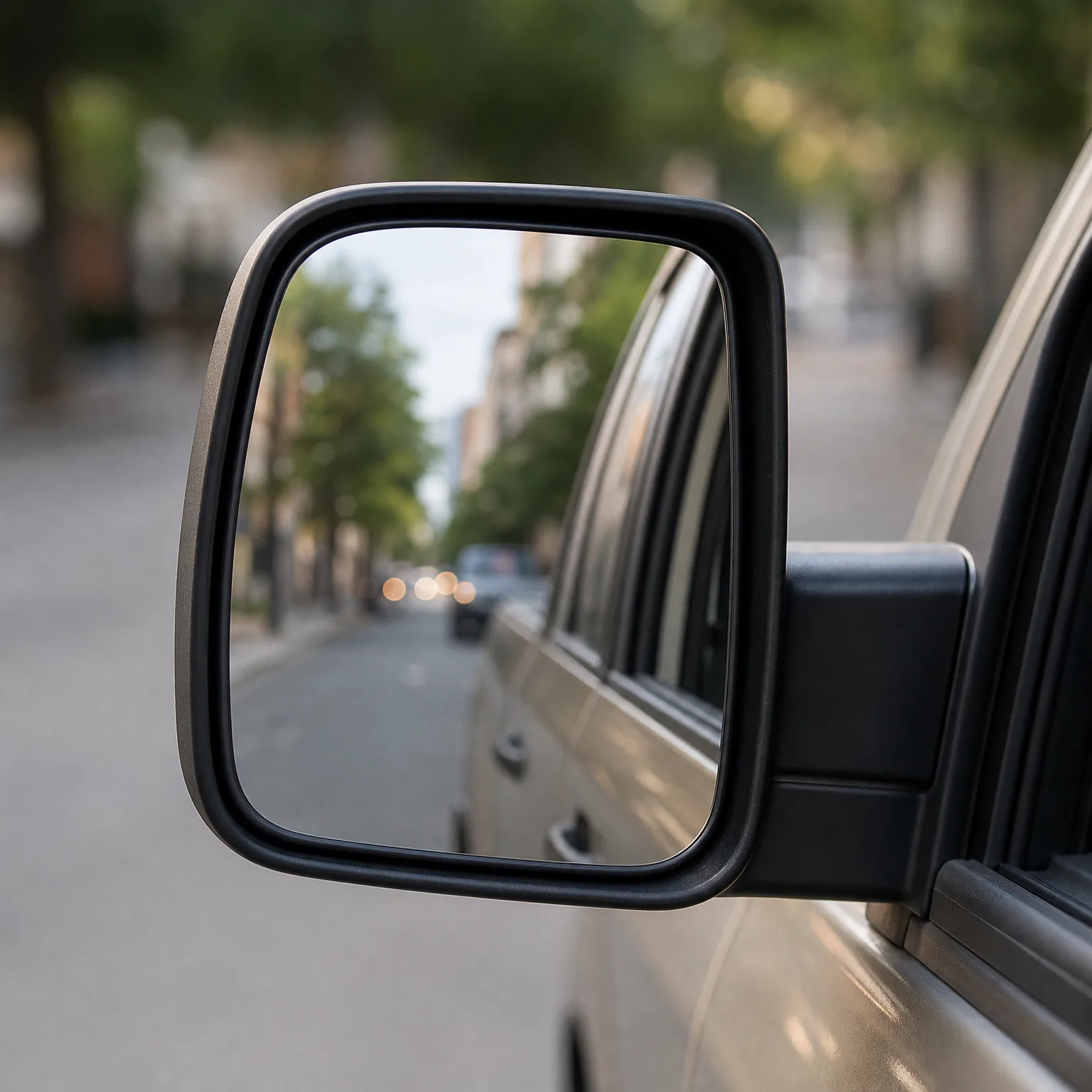
A ten-year-old sedan with rising premiums
A reader owns a sedan worth a modest amount on the used market, paid off for years, and still carries full coverage out of habit. When they check their renewal, collision alone costs a noticeable share of what the car would fetch if it were totaled outright. They look up comparable cars for sale nearby and confirm the value is accurate, not just a guess based on what they paid originally.
They decide to drop collision but keep comprehensive, since hail and theft worried them more than a crash they'd cause themselves. They also check what their state requires and confirm liability stays in place regardless. After making the change, they set aside a small cushion they'd have spent on premiums, figuring that if the car is ever totaled in a crash, they can cover the loss themselves without missing the coverage they gave up. The sedan keeps running, the savings add up, and they don't look back.
Why the math flips as a car ages
Collision coverage pays based on the car's value at the time of the claim, not what you paid for it or what it would cost to replace with something similar today. As a car ages, that value drops steadily, but the cost of the coverage doesn't drop nearly as fast. Eventually you're paying a fairly steady amount to insure a shrinking number, and at some point the math stops making sense.
The insurer's reasoning is straightforward. They're pricing the risk of paying out that value, so as the value falls, the coverage should theoretically get cheaper too. But other factors still raise or hold the price, like how the car has been driven, where it's kept, and general repair costs, which don't fall just because the car is old. That's why two owners of similar aged cars can see different premiums and different break-even points.
Where this plays out differently is for cars that are old but still valuable, like certain trucks or collectible models that hold worth longer than typical sedans. For those, dropping collision too early can mean giving up real money in a crash. It's also different if you rely on the car daily and couldn't easily cover a repair or replacement yourself, in which case the coverage is less about the car's value and more about your own financial cushion.
State rules and insurer practices vary on things like how total loss value gets calculated and whether certain add-ons affect that number. It's worth checking with your insurer directly on how they'd value your specific car before you decide, since that number is the whole basis for this decision.