Do You Pay Less Premium With a Higher Deductible
Yes, raising your deductible lowers your premium, because you're agreeing to absorb more of a claim before coverage kicks in.
The insurer prices risk, and you just took some back
A deductible is the line where your money stops and the insurer's money starts. When you raise that line, you're telling the insurer they'll pay less often and less per claim, since small and mid-size claims now fall on you instead. They price that lower exposure into a lower premium. It's a direct trade, not a discount they're handing you for free.
The size of the savings depends on how your insurer models claim frequency for your car's age, value and how you drive. Cars that are older or driven less tend to see a smaller swing between deductible levels, because the insurer wasn't pricing in many claims to begin with. A car still worth a fair amount in an area with lots of fender-benders or weather claims will usually show a bigger gap between a low and a high deductible.
This is also where collision and comprehensive diverge. Comprehensive claims, like glass, theft or hail, tend to be smaller and more frequent, so the deductible you pick there has a different effect on price than the one on collision, which covers larger, rarer claims. Check your policy or ask your insurer whether they let you set these two deductibles separately, since not all of them do.
The exception is when your state or insurer uses a flat or percentage-based deductible for certain perils, like wind or hail in some regions. In that case raising your standard deductible may not move the price on those claims at all, so ask specifically what deductible applies to what kind of loss before assuming the math is the same across the board.

What actually changes when you raise it
- Your premium drops You'll see a lower price on comprehensive and collision coverage. Ask for quotes at a couple of deductible levels so you can see the real gap for your car, not just an estimate.
- Your out-of-pocket risk rises If you file a claim, you pay more before coverage starts. Make sure you actually have that amount sitting in savings, not just in theory.
- Small claims may not be worth it A higher deductible can erase the point of filing for minor damage. Decide in advance what kind of repair cost you'd just pay yourself instead of involving insurance.
- Liability isn't part of this Raising your deductible only affects collision and comprehensive, not liability limits. Review those separately since they protect you against a different kind of loss entirely.
- Deductibles can often split Some insurers let you set collision and comprehensive deductibles independently. Ask directly, since treating them as one number could cost you a better price on one side.
Is a higher deductible actually worth it for an older, paid-off car?
It often is, but the answer depends on what your car is worth, not on the premium alone. If a bad repair would total the car anyway, a low deductible on collision or comprehensive is buying you a smaller and smaller benefit, since the insurer's payout is capped at the car's value, not the repair cost.
Run the numbers side by side. Compare what you'd save over a year at a higher deductible against what you'd lose by paying more out of pocket in the rare year you file a claim. If the savings add up to real money and you have that cash available, a higher deductible usually makes sense. If the car still has meaningful value and you'd struggle to cover a large repair bill yourself, staying lower may suit you better even at the higher premium.
Once you've settled on a deductible that fits your car and savings, compare quotes at that level to find the best price.

Raising your deductible on an older car
If you do
Your premium drops right away. If something happens, like a fender-bender or a cracked windshield, you'll pay more of that bill yourself before coverage applies. For an older car, the payout you'd get anyway is often modest, so the lower premium can be the better trade over time.
If you don't
Your premium stays higher than it could be. In exchange, a claim costs you less out of pocket when it happens. That matters more if cash is uncertain in a given month, or if you'd rather have predictable smaller costs than a lower bill most years and a bigger bill in a bad one.

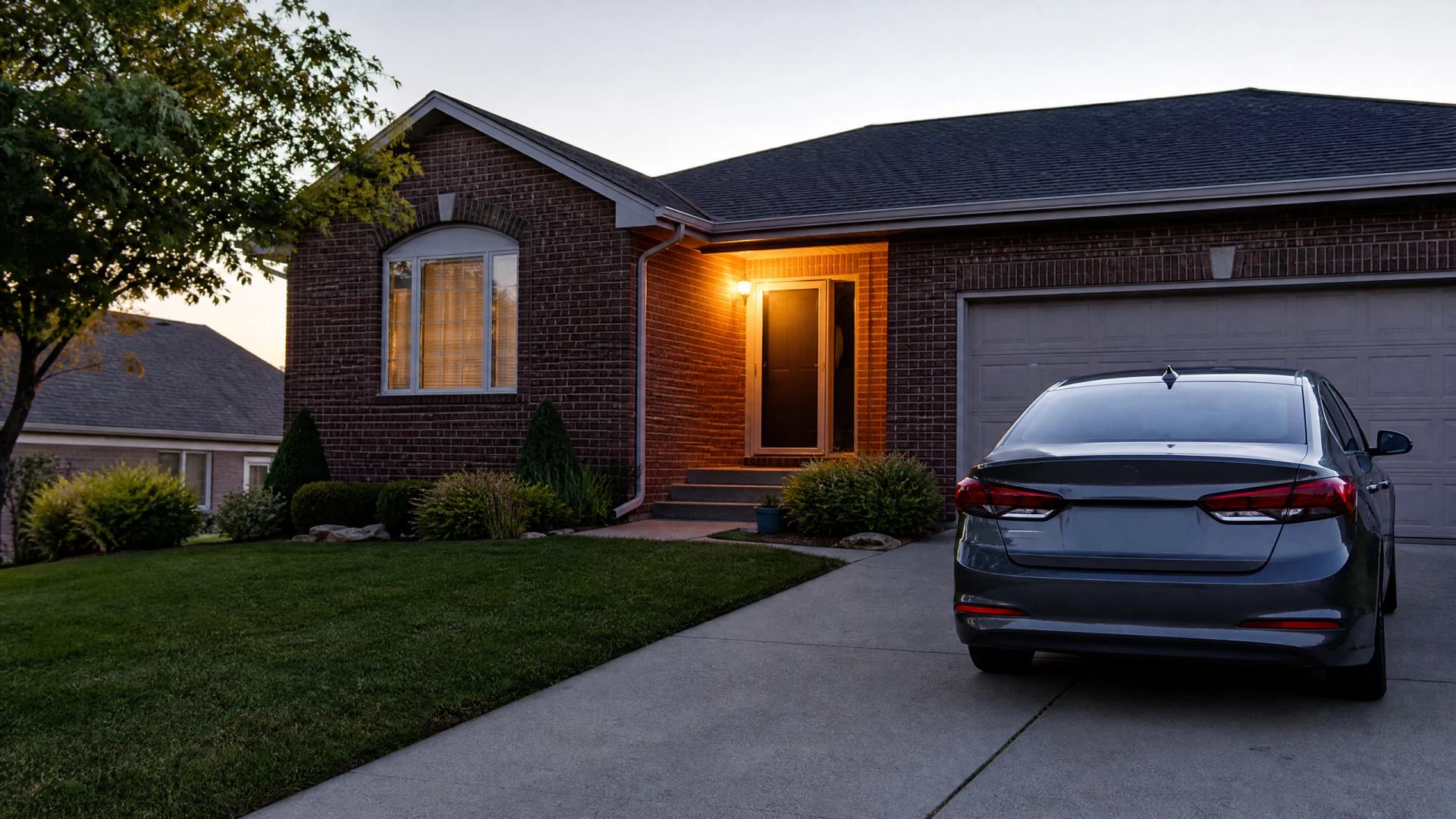
An owner with a paid-off sedan compares two deductibles
A reader owns a sedan they paid off years ago, still worth a modest amount and in good shape. They've kept the same deductible since the loan ended, never revisited it, and assumed changing it wouldn't move the price much. When they finally asked for quotes at a higher deductible on both collision and comprehensive, the difference was noticeably larger than they expected, enough to matter over a year.
They checked their savings and realized they could comfortably cover the higher deductible if they ever filed a claim, since they'd kept an emergency fund for exactly this kind of thing. They also asked their insurer whether collision and comprehensive could be set separately and found out comprehensive claims, like a cracked windshield, were more likely for their area than a collision claim. They raised the collision deductible more than the comprehensive one, balancing the savings against how each type of claim actually showed up for cars like theirs. The new premium reflected both changes, and they kept the policy that way going into renewal.
Can I set different deductibles for collision and comprehensive?
Yes, many insurers let you set these separately, though not all do. Comprehensive claims tend to be smaller and more frequent, like glass or weather damage, while collision claims are often larger and rarer. Ask your insurer directly whether they offer this, and request quotes showing each deductible independently so you can see which one actually saves you more.
Does raising my deductible affect my ability to file a claim at all?
No, it doesn't change whether you can file, only how much you pay before coverage starts. You can still file a claim with a high deductible, you'll just receive less from the insurer or pay more upfront. The one practical effect is that very small claims, like minor cosmetic damage, may no longer be worth filing once the deductible exceeds the repair cost.
Will my deductible change automatically if my car loses value over time?
No, your deductible stays fixed until you change it yourself. As your car's value drops, a fixed deductible becomes a larger share of what you'd actually recover in a claim. That's exactly why it's worth revisiting the deductible periodically, especially once the car is paid off and you're no longer required to carry specific coverage levels set by a lender.