Higher Deductibles on an Older Car
Raising your deductible on an older car almost always makes sense if you can comfortably cover the higher amount out of pocket.
A higher deductible shifts small claims to you for a lower bill
Your premium pays for two things bundled together, the company's promise to cover a loss and the convenience of a low threshold for filing a claim. On an older car, the second part gets expensive relative to what you're actually protecting, because the payout on a total loss is capped at the car's value no matter how high your deductible is. Raising the deductible lowers the cost of that convenience without changing the size of the real protection underneath it.
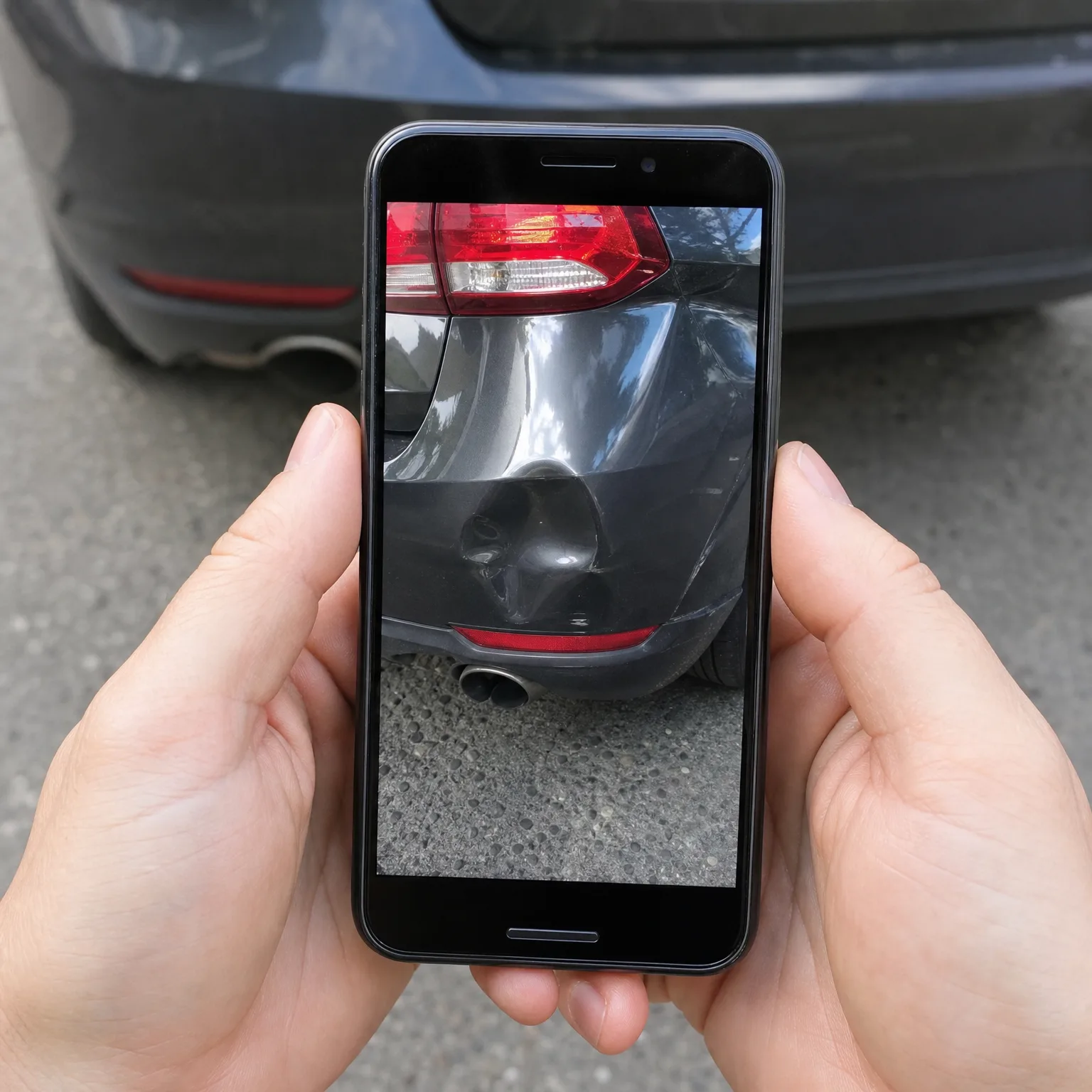
The logic is simple once you see it. A small claim, a cracked windshield, a minor fender bump, a parking lot scrape, costs you either way. With a low deductible you pay a little and the insurer pays the rest. With a high deductible you likely pay the whole thing yourself, because the repair cost often lands below the deductible anyway. You're not losing coverage for the events that matter, you're just stopping payment for a service you weren't really using.
Where this plays out differently is with your own finances and habits. If a sudden repair bill would strain you, a high deductible can backfire, because the savings on premium don't help you in the month you need the car fixed and the cash isn't there. If you have a track record of filing small claims, or you drive in conditions where minor damage is common, a lower deductible might still earn its cost.
State rules don't set your deductible, your policy does, but some insurers cap how high you can go or price the jump differently. Check your insurer's available deductible tiers and ask how much each step actually saves before you pick one.
What deductible should I actually pick for an older car?
Pick the highest deductible you could pay in cash without disrupting your month, right now, not someday. That number is personal, and it's the real ceiling on how high you should go, regardless of how much more the premium drops at an even higher tier.
Beyond that point, the savings from going higher still exist but they matter less. The real test isn't the premium chart, it's whether you can write a check for the deductible the week after a claim without changing your plans. If you can do that at the top tier your insurer offers, take it. If not, back off to the highest number you can comfortably absorb.
The deductible you choose should match what you can pay today, not what lowers the bill the most.
Once you've picked the deductible you can actually afford to pay, compare quotes to see what it saves you.

Raising your collision and comprehensive deductibles
If you do
Your premium drops right away, sometimes noticeably. Small claims like minor scrapes or a cracked windshield become your responsibility to pay outright. You keep the same protection against major losses, a serious accident or a total loss still pays out the same way, just with more coming out of your pocket first.
If you don't
You keep paying for a low threshold you may rarely use, since most repairs on an older car land below it anyway. Your premium stays higher than it needs to be for the protection you're actually getting. You lose nothing in coverage, but you pay extra for convenience you can likely afford to self-insure.
Does raising my deductible affect how much I get paid out after a total loss?
No, the deductible only changes what you pay toward a claim, not the car's value. In a total loss the insurer pays the car's determined value minus your deductible, so a higher deductible means a smaller check, not a smaller valuation. What changes is your premium beforehand, not the payout formula itself. If the gap between deductible tiers feels too close to the car's value, that's a sign the car may be better suited to liability-only instead of a higher deductible.
Should I pick different deductibles for collision and comprehensive?
Yes, that's common and often smart, because the two cover different kinds of losses with different typical costs. Comprehensive claims like hail, theft or a cracked windshield tend to be smaller and more frequent, while collision claims from accidents tend to be larger. Many people keep comprehensive deductibles a bit lower and raise collision higher. Check whether your insurer lets you set them independently, since not all policies allow it.
Can I change my deductible mid-policy or do I have to wait for renewal?
Most insurers let you change it anytime, not just at renewal, though the new deductible usually applies only to claims filed after the change takes effect. Call or check your account to request the adjustment, and ask when exactly the new terms start. If you're mid-term and anticipating a specific risk, like an upcoming storm season, confirm the effective date before assuming you're covered at the new level.