How Does Renting a Car Work After an Accident
Your insurer pays for a rental only with added coverage or a clear at-fault driver, and limits still apply to both.
Why the rental depends on whose fault it is and what you bought
When someone else caused the accident, their liability coverage is supposed to pay for your rental while your car is repaired. This is called a loss of use claim, and it runs through their insurer, not yours. It works smoothly when fault is clear and the other driver is insured. It gets slower and more contested when fault is disputed, because the other insurer has no reason to hurry.
When the accident is your fault, or fault hasn't been decided yet, your own rental coverage is what pays. This isn't automatic. It's a separate add-on to your policy, and if you didn't choose it, there's no rental payout waiting for you, even if you carry full collision and comprehensive coverage. Check your policy declarations page for a line about rental reimbursement or transportation expenses.
Even with coverage, there are usually two limits, a daily cap on what's paid and a total number of days. These numbers vary by insurer and by the specific policy you bought, so check your declarations page or call your agent to find your actual limits before you assume anything.
The repair timeline also matters. Reimbursement typically lasts only as long as your car is being repaired or until you reach your coverage's day limit, whichever comes first. If repairs run long because of parts delays or a backed-up shop, ask your insurer how that affects your rental coverage.
What decides who pays and for how long
- Fault determination If the other driver is at fault, their insurer should cover your rental. If fault is unclear, expect delays while it gets sorted out.
- Your own rental coverage Check if you added rental reimbursement to your policy. Without it, you pay out of pocket even if the accident wasn't your fault.
- Daily and total limits Your coverage likely caps the daily rental rate and the number of days paid. Call your insurer to confirm your actual limits.
- Repair shop timeline Reimbursement usually stops when repairs finish or your limit runs out. Ask the shop for a repair estimate so you can plan around it.
- Rental company requirements Most rental counters hold a deposit on your card and may require full coverage if you don't have your own insurance to extend. Ask what they need before you arrive.

Whether you added rental coverage before this happened
If you do
You call your insurer, open a claim, and they direct you to a rental counter or reimburse your receipts up to your daily and day limits. You pick up a car same day or next day in most cases. The gap in your routine stays small while repairs happen in the background.
If you don't
You either pay for a rental yourself or go without a car until repairs finish. If the other driver is clearly at fault, you can seek reimbursement from their insurer, but that takes time and paperwork. Ask your shop how long repairs will take so you can plan.
Compare quotes now that you know whether your policy would cover a rental, and add that coverage if it's missing.
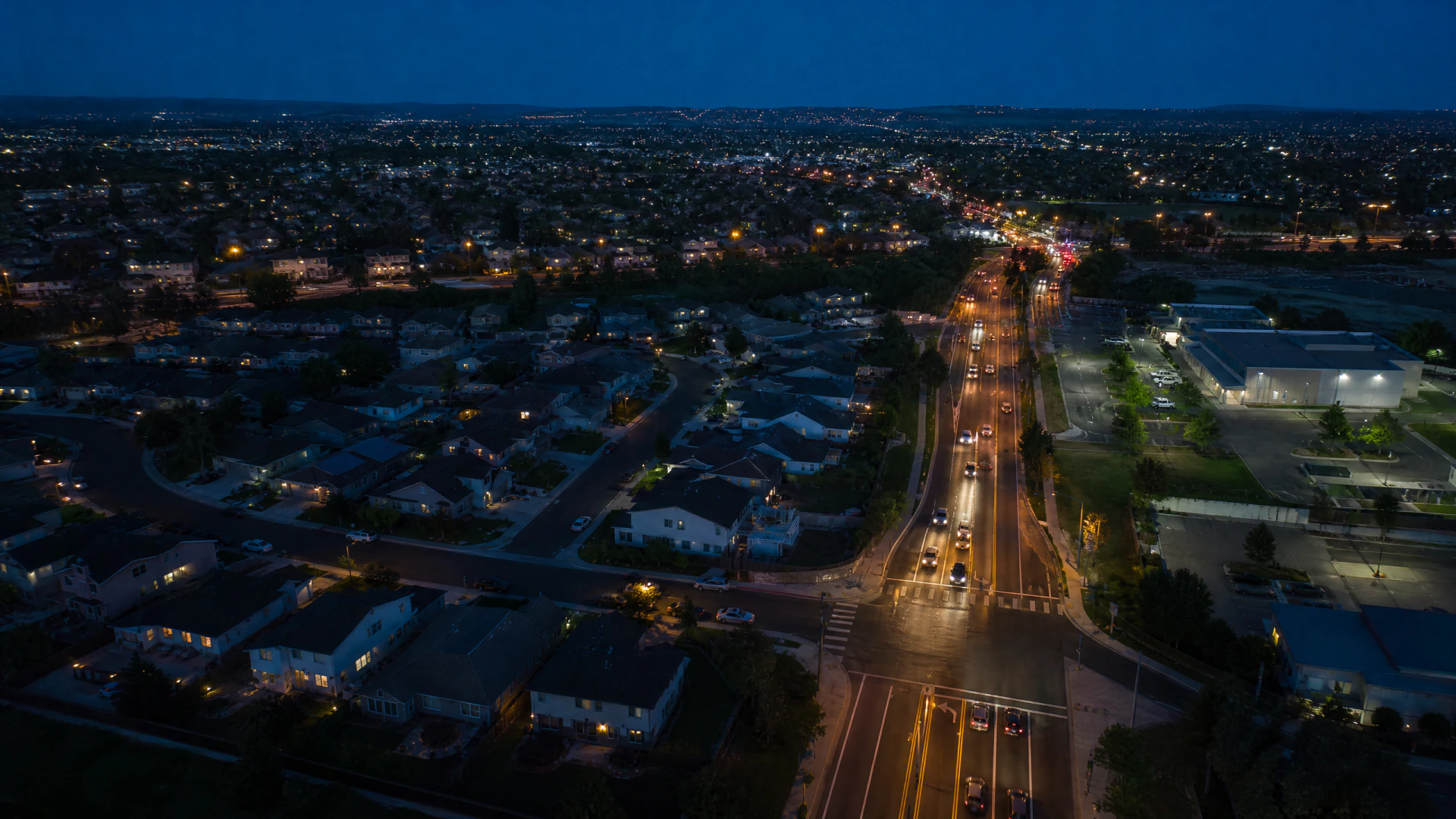
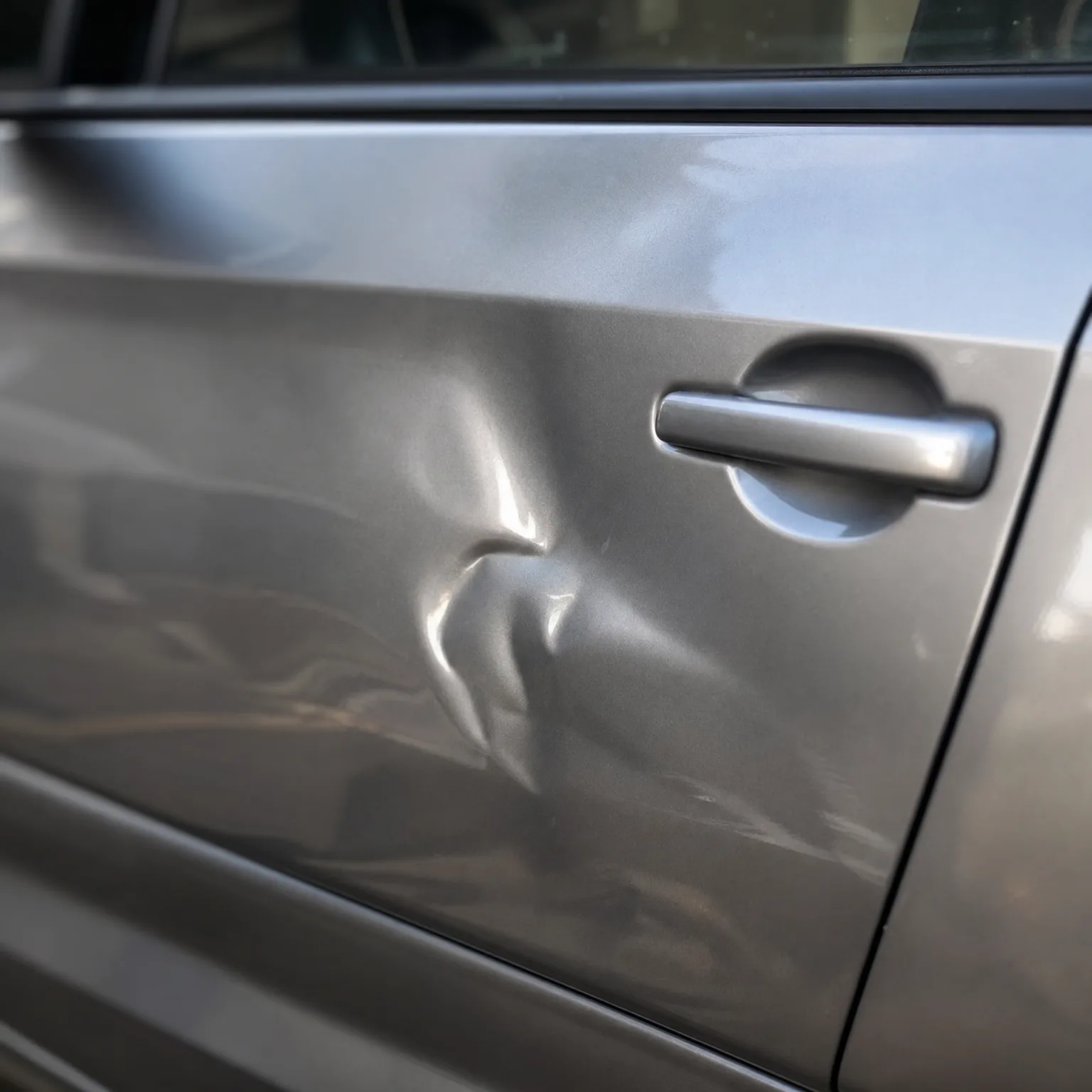
A rear-end collision with a clear at-fault driver
You're stopped at a light and another driver rear-ends you. The police report names them at fault. Your car needs a week of bodywork. You call their insurer, open a claim, and ask about a rental car. They confirm they'll cover a rental while your car is in the shop, up to a daily rate and a set number of days tied to the repair estimate.
The rental company still asks for a hold on your card and proof of your own insurance to waive their additional coverage. You pick up a car the same day, drop it off a week later when your car is ready, and the other driver's insurer pays the rental company directly. The whole process took about as long as the repair itself, and you never paid for the rental out of pocket, because fault was never in question.
A rental after an accident isn't automatic. It depends on fault and coverage you may not have added.