Is 50 100 50 Enough Car Insurance
50/100/50 is enough liability for many drivers, but whether it's enough for you depends on what you own and what you'd lose in a lawsuit.
What actually decides if 50/100/50 is enough
- What you have to protect Liability limits exist to cover what someone could come after if you're at fault. The more assets, savings or income you have, the more that number should cover.
- Cost of a bad accident One serious injury can cost more than 50 thousand, and a crash with multiple people hurt can pass 100 thousand fast. Check how 50/100/50 compares to typical injury claims in your area.
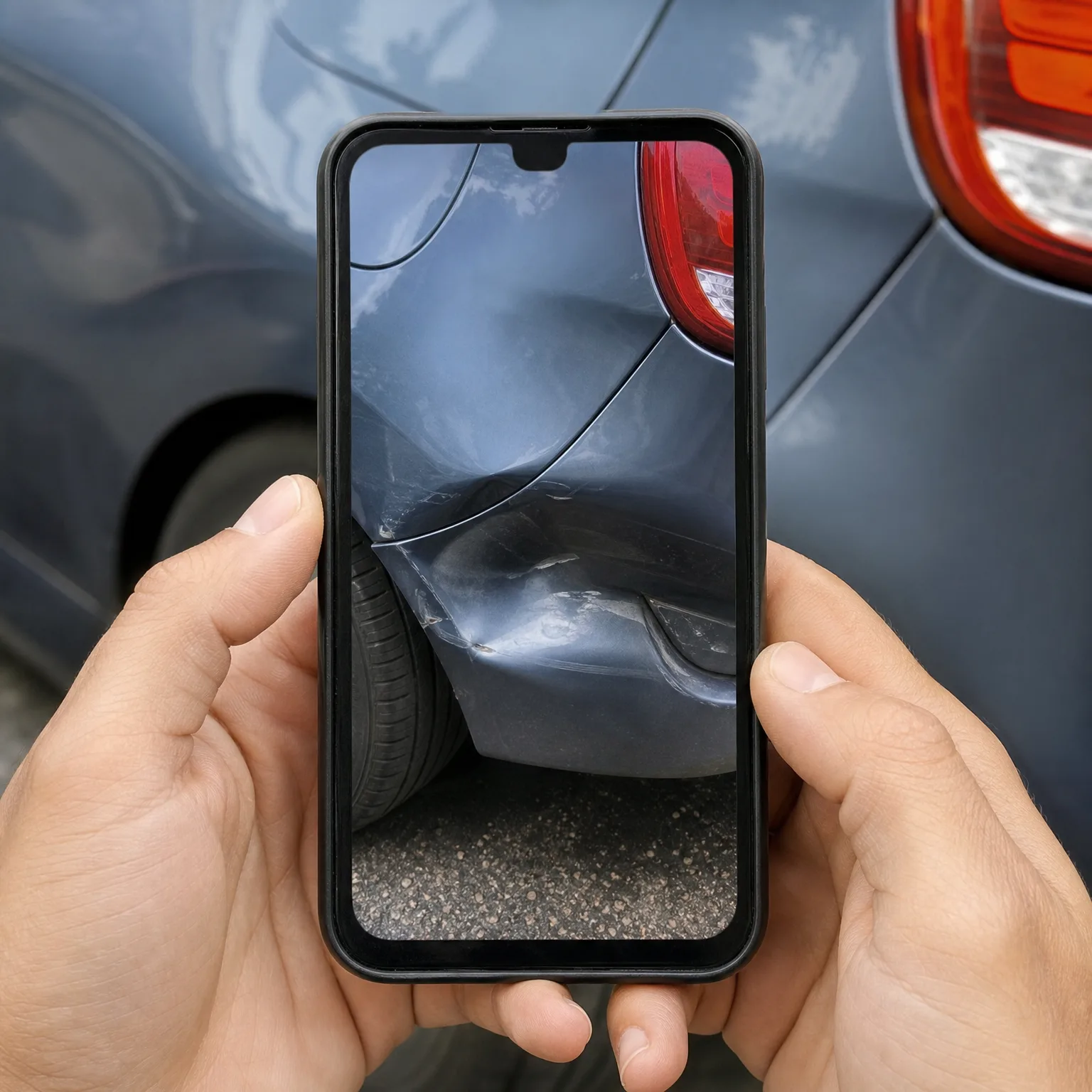
- Property damage gap The 50 for property damage may not cover a newer vehicle or a truck you hit. Look at what cars commonly cost where you drive and see if that number still holds up.
- Umbrella policy option If your liability limits feel low for what you own, an umbrella policy can add protection above them. It's often cheaper than raising liability alone once you're past basic limits.
- State minimum vs your minimum 50/100/50 is already above minimum in most states, but minimum and adequate aren't the same thing. Check your state's actual required minimum so you know how much cushion you already have.
What happens if a claim costs more than my limits?
If a claim exceeds your liability limits, you personally owe the difference. The insurance company pays up to your limit and stops there, no matter how much the claim actually costs.
That remaining amount doesn't disappear. The injured party can sue you directly for it, and if they win, they can come after your savings, future wages or other assets depending on your state's rules. This is the entire reason people buy limits higher than the minimum or add an umbrella policy. It's not about the everyday fender bender, those usually fall well under 50/100/50. It's about the rare, serious crash where someone is badly hurt or several vehicles are involved, because that's when a limit that seemed fine suddenly isn't.

Once you know if 50/100/50 fits what you have to protect, compare quotes at that limit or higher.

Keeping 50/100/50 versus raising your limits
If you do
You keep your premium lower and stay covered for most ordinary accidents without issue. But if you cause a serious crash involving injuries or multiple vehicles, you could be personally responsible for costs beyond your limit, putting your savings and future income at risk.
If you don't
Raising your liability limits costs more each month, often less than people expect for the added protection. In exchange, a serious at-fault accident is far less likely to leave you owing money out of pocket beyond what the policy pays.
A driver with a paid-off car and decent savings checks their limits
A driver had carried 50/100/50 since they first got their car, back when it was required by their lender. The car's paid off now, they've built up real savings, and they started wondering if their liability limits still matched their life. They pulled up their policy and realized they'd never actually compared the numbers to anything, they just kept renewing the same limits out of habit.
They looked at typical injury costs for serious accidents in their state and realized a bad multi-car pileup could easily exceed 100 thousand in injury claims alone. With savings and a steady income now worth protecting, they raised their bodily injury limits and added an umbrella policy rather than relying on 50/100/50 alone. The added cost was modest compared to what they'd have owed personally if a major accident had gone the other way. They felt better knowing their coverage now matched what they actually had to lose, not just what a lender once required.
Does 50/100/50 cover a rental car I damage?
No, 50/100/50 is liability coverage for injuries and damage you cause to others, not damage to a car you're driving, including a rental. If you want protection for a rental car itself, you'd need collision coverage on your own policy to extend to it, or separate rental coverage. Check your policy's rental car provisions and your rental agreement before assuming you're covered either way, since this varies by insurer.
Will 50/100/50 go up if I get a newer car?
Your liability limits themselves don't need to change based on the car you drive, since liability covers others, not your vehicle. What might change is your comprehensive and collision coverage, which does depend on the car's value. If you get a newer or more expensive car, reconsider those coverages separately from your liability limits.
Is 50/100/50 the same in every state?
No, states set different minimum requirements, and 50/100/50 exceeds the minimum in some places while barely meeting it in others. Check your state's minimum liability requirements directly, since what counts as solid coverage in one state might be closer to bare minimum in another. This affects how much cushion 50/100/50 actually gives you.