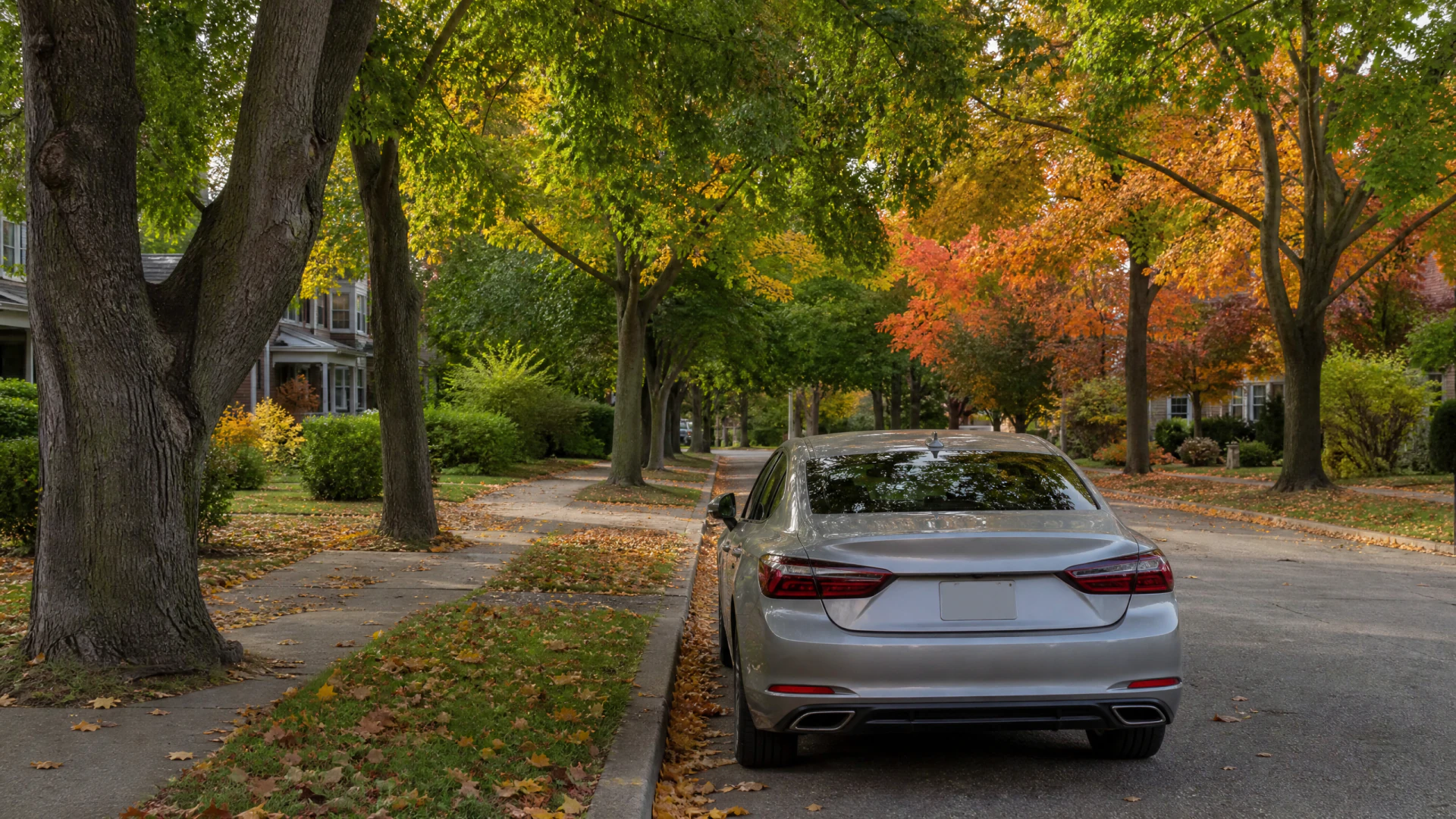
Is a Deer Claim Comp or Collision
A deer strike falls under comprehensive coverage, not collision, because the deer caused the damage, not a crash with another vehicle.
Comprehensive covers what you didn't cause by driving into something
Insurance splits car damage into two buckets. Collision covers crashes, hitting another car, a guardrail, a tree, anything you drove into. Comprehensive covers almost everything else that damages the car without a crash, including fire, theft, falling branches, and animals. A deer running into your path and your car hitting it falls squarely into that second bucket, because the animal caused the damage, not your driving.
This distinction exists because insurers price the two risks differently. Collision risk depends heavily on how and where you drive. Comprehensive risk depends more on things outside your control, like weather, wildlife, and crime in your area. If you live somewhere deer are common, comprehensive is the coverage actually doing work for you, even if you rarely think about it.
For your situation, this matters because you're weighing whether to keep collision, comprehensive, or both now that nothing requires you to carry either. If you drop comprehensive specifically to save money, a deer strike becomes an out of pocket repair or a reason to total the car. If you drop collision but keep comprehensive, animal strikes are still covered, only crashes with other vehicles or objects aren't.
There's an edge case worth knowing. If you swerve to avoid a deer and hit a guardrail instead, that's collision, because the damage came from hitting the guardrail, not the deer. Insurers look at what physically caused the damage, not what prompted you to react. A few insurers handle close calls differently, so if you're ever unsure how a specific incident would be classified, it's worth asking before you file.
The short version
A deer strike is a comprehensive claim because the damage comes from the animal, not a crash with another vehicle. If you keep any optional coverage on an older car, comprehensive is usually the one that protects against the risks you can't control, like wildlife, weather, and theft.
A driver who kept comprehensive and dropped collision
A driver with a paid-off car worth modest money decided the cost of full coverage no longer matched what the car was worth in a crash. They looked at how the car was mostly used, mainly rural roads at dusk where deer crossings were common, and realized the bigger risk wasn't fender benders in town but hitting an animal on a dark stretch of highway. They dropped collision but kept comprehensive, reasoning that the payout from a deer strike could still be meaningful even if a collision payout wouldn't be.
A few months later, a deer ran into the road and the driver couldn't avoid it. The front end was damaged enough that repairs weren't worth it relative to the car's value, so the insurer treated it as a total loss under comprehensive and paid out based on the car's value before the strike. Because they'd kept comprehensive instead of dropping both coverages, they weren't stuck paying for a new car entirely out of pocket. The decision to split the two coverages instead of treating them as a package turned out to match exactly the kind of risk they actually faced.
Once you know whether to keep comprehensive, collision, or both, compare quotes with that coverage already decided.
Deciding whether to keep comprehensive coverage
If you do
You stay protected against deer strikes, theft, fire, and storm damage, the risks you can't drive your way around. If the car is totaled by one of these, you get a payout based on its value instead of losing the car with nothing to replace it. The ongoing cost is usually modest next to collision.
If you don't
A deer strike, break-in, or hailstorm becomes entirely your expense. If the damage is serious enough to total the car, you're left without a payout and without a car, even though nothing about your driving caused it. For an older car still worth something, this coverage is often worth keeping even after dropping collision.
Is hitting another car comprehensive or collision?
That's collision, not comprehensive. Collision covers any crash where your car hits another vehicle or object, regardless of who's at fault, because the damage came from an impact you were involved in while driving. Comprehensive only applies to damage from events other than collisions, like animals, weather, fire, or theft. If you're ever unsure which applies, ask what physically caused the damage, a collision with something, or something else entirely.
Does a comprehensive claim raise your rates like an accident does?
Usually less than an at-fault collision claim does, but this varies by insurer and state, so it's worth checking your policy or asking directly. Comprehensive claims are generally treated as not your fault, since you didn't cause the deer to run into the road. Some insurers still factor any claim into future pricing, though, so ask how comprehensive claims specifically are treated before assuming there's no effect at all.
What's the payout on an older car after a deer totals it?
You'd be paid the car's actual cash value right before the strike, not what you paid for it or what repairs would cost. For an older paid-off car, that value may be lower than expected, which is worth checking before you decide how much coverage makes sense. Look up your car's current market value so the payout isn't a surprise, and know that this value, not your loan balance, is what comprehensive coverage is built around.