Is Vandalism Hard to Prove
No, proving vandalism is usually straightforward if you document the damage and file a police report before you call your insurer.
What actually makes a vandalism claim solid
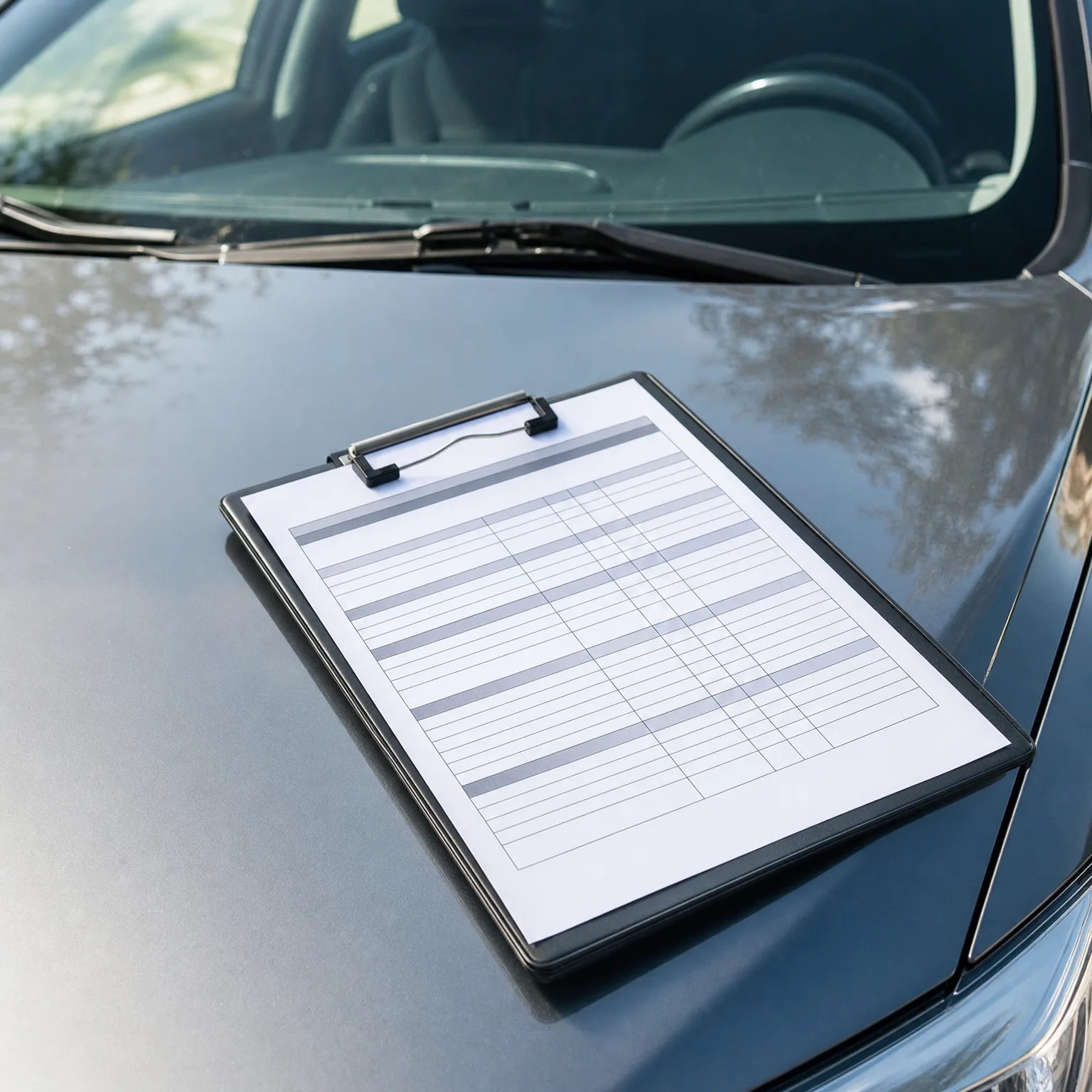
- Police report A police report creates an official record that someone, not you, caused the damage. File one even if you're sure they won't catch who did it.
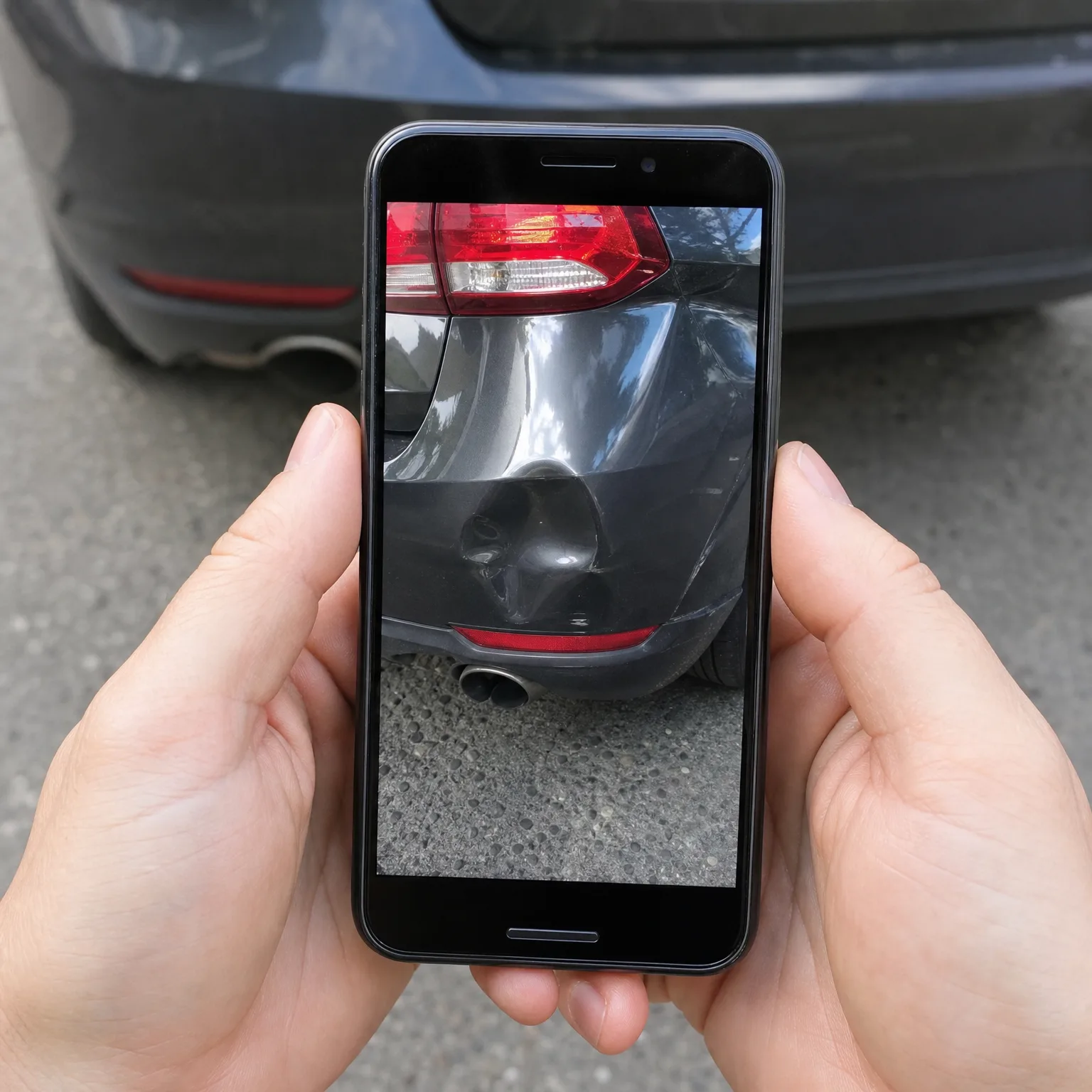
- Photos before anything moves Clear photos of the damage, taken where it happened, show the insurer what you found. Take them before the car is cleaned, repaired or moved if possible.
- Comprehensive coverage required Vandalism falls under comprehensive, not collision or liability. Check your policy now so you're not surprised later that this damage isn't covered at all.
- No suspect needed You don't need to know who did it or catch them for the claim to hold. The adjuster cares about what happened to the car, not who's responsible.
- Timing matters Report the damage soon after you notice it. Waiting weeks without explanation can make an adjuster question whether the damage happened the way you say.
What if the insurer thinks it's not really vandalism?
This happens when the damage looks like it could be something else, normal wear, an accident you're not mentioning, or damage from before the policy started. The adjuster's job is to rule out those explanations, not to doubt your honesty specifically.
If this happens, the police report becomes your strongest tool, since officers who responded can confirm what they saw. Photos with timestamps help too, especially if they show the damage shortly after it occurred. If you have any independent witness, a neighbor, a doorbell camera, a parking lot attendant, bring that forward. Most disputes resolve once there's a clear timeline. If yours doesn't, you can ask the insurer to explain exactly what evidence would change their decision, and provide it if you can.

Whether you file a police report right away
If you do
You get an official record with a date, a description of the damage and an officer's observations. Your insurer treats this as credible, independent evidence. Claims move faster because there's less back and forth proving the damage is real and happened when you say it did.
If you don't
You're left relying only on your own account and whatever photos you took. The insurer may ask more questions, take longer to decide, or ask you to get a report after the fact, which carries less weight than one filed when the damage was fresh.
Now that you know what proving vandalism actually takes, compare quotes for comprehensive coverage.

Someone keyed your car in a parking lot overnight
You come out one morning and find long scratches down both doors, clearly deliberate, clearly not there the day before. There's no note, no witness you know of, and no idea who did it. Your first instinct is that without a suspect, there's nothing to prove.
Instead you call the police and file a report that morning, while the damage is fresh and the timeline is clean. You take photos in the parking lot before driving anywhere, capturing the scratches from several angles along with the car's location. You call your insurer the same day, reference the police report number, and submit the photos with your claim. The adjuster has everything needed to confirm this is vandalism rather than an accident or prior damage. The claim moves through without dispute, because the report and photos together tell a consistent, verifiable story, even with no suspect ever identified.

The proof that matters isn't catching who did it, it's documenting what happened and when.