What Counts as Cosmetic Damage
Cosmetic damage is harm that doesn't affect how the car drives or protects you, and insurers often won't pay to fix it.
A shopping cart dent and a denied claim
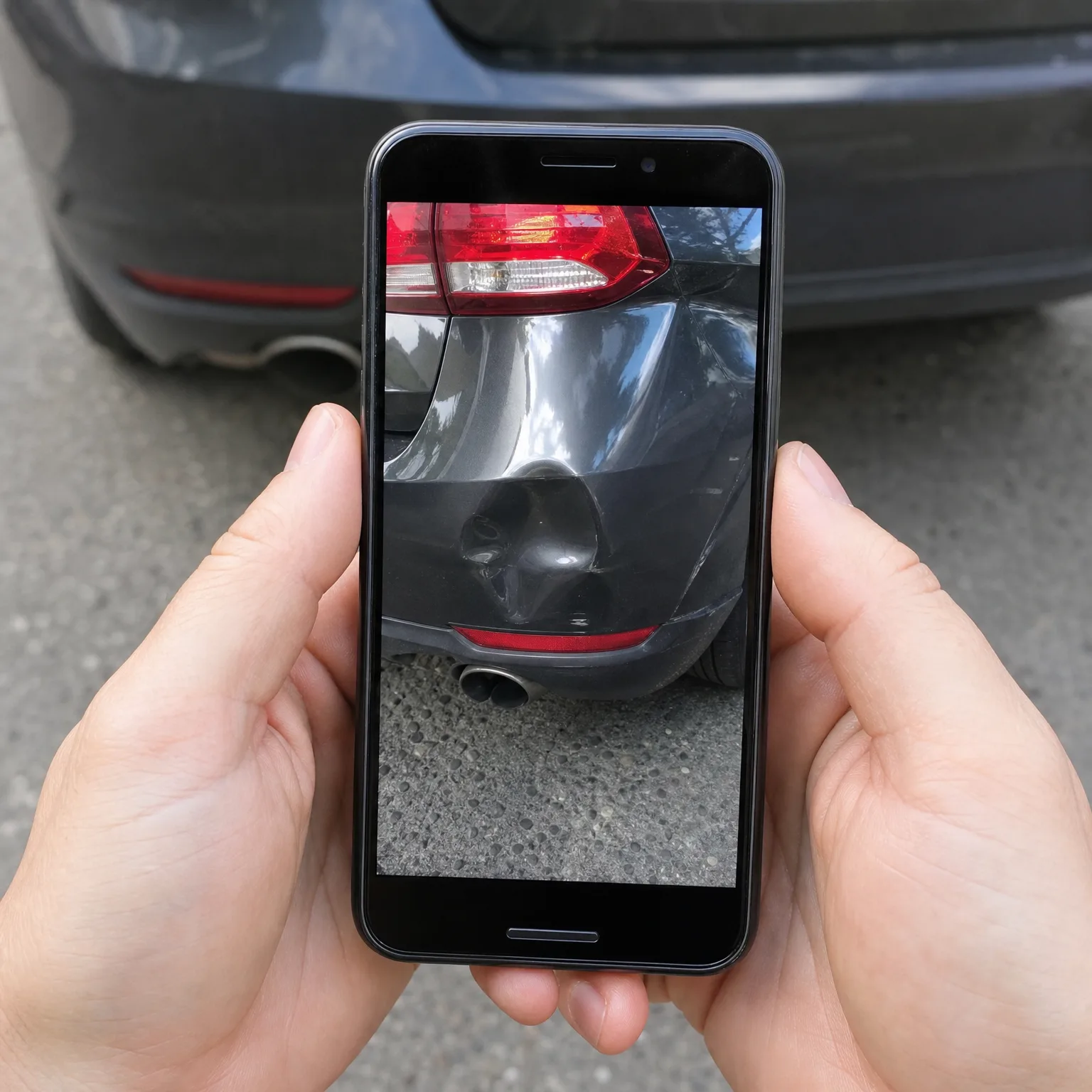
You come out of the grocery store and find a long dent and some scraped paint along the rear door, probably a cart that got away from someone. Nothing is cracked, the door opens and closes fine, and the car still drives the same as always. You call about a comprehensive claim since it happened while parked, figuring that's what the coverage is for.
The adjuster explains that dents and scraped paint with no structural or mechanical effect usually get classified as cosmetic, and on a car worth what yours is worth, the payout after your deductible is small enough that filing isn't worth the hit to your claims history. You decide to pay for a paintless dent repair yourself instead, which costs less than the deductible would have anyway. The car looks fine again within a week, and you never involve the insurer at all.
Does cosmetic damage mean the car is still safe to drive?
Usually yes, and that's the whole point of the label. Cosmetic damage is defined by what it doesn't touch. It doesn't touch the frame, the suspension, the airbags, the lights, or anything else that keeps the car controllable and keeps you protected in a crash. If an adjuster or a mechanic calls something cosmetic, they're telling you the car's safety systems are intact.
That said, cosmetic is a judgment call, not a guarantee. A dent that looks shallow can sometimes hide a cracked light housing or a misaligned panel that affects how a door seals or how a sensor reads. If anything about how the car handles, sounds, or warns you feels different after the damage, get it checked before you assume it's only skin deep.

Filing a claim for damage that turns out to be cosmetic
If you do
You pay your deductible and the claim goes on your record even if the payout is small. Your rates may rise at renewal, and on an older car the check you get back can be less than the repair would have cost out of pocket. Future insurers may ask about the claim for years.
If you don't
You pay for the cosmetic fix yourself, often less than your deductible anyway, and your claims history stays clean. If the damage turns out to involve something structural or mechanical once a shop looks closer, you can still file then, since nothing about waiting to inspect it forfeits your coverage.
Once you know what's cosmetic, compare quotes with a clear sense of what your coverage would actually pay for.

Why insurers draw the line where they do
Insurance is built to cover loss, the kind that costs real money to fix or that leaves you unsafe. Cosmetic damage, by definition, doesn't do either. The car still runs, still protects you, still gets you where you're going. Insurers draw the line there because paying for appearance alone would raise premiums for everyone to cover something that doesn't change the car's actual function or value in any meaningful way.
That line gets blurry on older cars specifically. A dent that would be a quick cosmetic fix on a new car might sit on a panel that's already rusted or previously repaired on an older one, and now the question becomes whether fixing it properly means replacing the whole panel. Adjusters look at the full picture, not just the one spot of new damage, and that can push a seemingly small cosmetic issue into a larger repair question.
The other variable is what the car is worth. On a car with a low market value, even damage that's clearly more than cosmetic can result in a payout so small after your deductible that filing doesn't make sense. That's not the same as the damage being classified as cosmetic, it's just the math of an older car working against the claim. Knowing the difference matters when you're deciding whether to keep comprehensive and collision at all.
Where this varies is in how individual insurers define and document cosmetic damage, and some states have rules about what must be disclosed or repaired before a car can be resold. Check your policy's language and your state's rules if you're ever unsure whether a repair is optional or required.

A cosmetic label can make your coverage worth less than you think, so weigh that before you count on it.