What Happens if My Car Gets Hit by a Tree
Comprehensive coverage pays to repair or replace your car when a tree falls on it, minus your deductible.
Falling trees count as comprehensive, not collision
Your car didn't hit anything, something fell on it, and insurers treat that as an outside event rather than a collision. That distinction matters because collision and comprehensive are separate coverages with separate deductibles, and only comprehensive responds to weather, falling objects, animals and similar events. If you carry collision but dropped comprehensive, a fallen tree isn't covered at all.
Whose policy pays usually comes down to where the tree was standing and where your car was parked, but not in the way most people expect. Insurance generally doesn't ask whose tree fell, it asks whose policy covers the car that got damaged. Your comprehensive coverage pays for your car no matter whose yard the tree came from, because proving negligence on a tree branch takes time most insurers don't need to spend before paying you.
There's a narrower case where fault does matter. If a neighbor ignored a visibly dead or diseased tree and it came down, their homeowners liability might owe you money, especially for costs your own policy didn't cover like your deductible. That claim runs separately and slower, through their insurer, and you'd typically still file with your own comprehensive coverage first to get moving.
What you're paid is based on your car's actual cash value at the time of the loss, not what you paid for it or what repairs cost new. For an older car, that number can be lower than expected, so check your policy's valuation method and whether you carry gap coverage if a loan is involved.
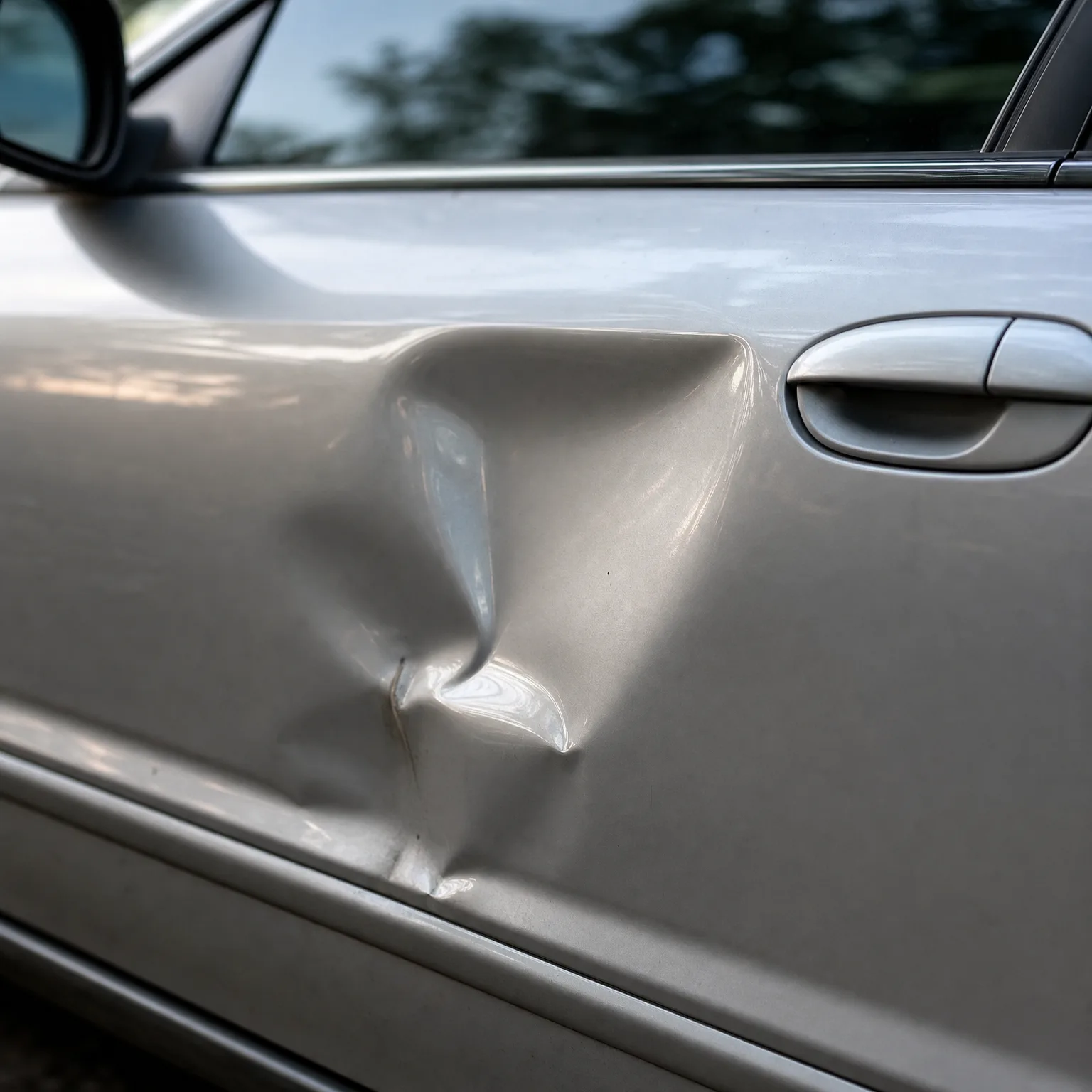
A branch through the windshield after a storm
A reader's car was parked on the street during a wind advisory when a large branch from a neighbor's tree split off and landed across the hood and windshield. The windshield shattered, the hood crumpled, and the car wouldn't start. They took photos of the tree, the branch, and the damage before anything was moved, then called their insurer the same day to open a comprehensive claim rather than waiting to sort out whose tree it was.
The insurer sent an adjuster within a few days, deemed the car a loss worth repairing, and paid out minus the comprehensive deductible. Separately, the reader noticed the tree had a large dead section visible from the ground, so they also contacted the neighbor's homeowners insurer with their photos to ask about reimbursing the deductible. That second claim took longer and required some back and forth about whether the damage was foreseeable, but it eventually covered the amount their own policy hadn't paid.
Compare comprehensive coverage options now that you know how a falling tree claim actually pays out.

Whether you carry comprehensive coverage
If you do
You file a claim, pay your deductible, and your insurer handles repair or payout based on your car's value. You can also pursue the tree owner's insurer separately if negligence is clear, to recover your deductible. Either way, your car gets fixed without a drawn-out dispute over fault.
If you don't
Nothing pays for the damage to your own car. You're left asking the tree owner's insurer to cover it, which only works if you can show they knew the tree was hazardous and ignored it. Without that proof, you pay out of pocket entirely.
Will my rates go up for a falling tree claim?
Usually not by much, if at all, and in many cases not in a way that follows you the way an at-fault accident does. Comprehensive claims are generally treated as events outside your control, so insurers tend to weigh them differently than collisions you caused. Some insurers offer accident forgiveness or claim-free discounts that explicitly exclude comprehensive claims from affecting them.
That said, filing any claim can still nudge your premium at renewal, especially if you've filed other claims recently or your insurer's underwriting treats weather losses more strictly. Check your policy or ask your agent how comprehensive claims are scored specifically, since this varies by insurer and sometimes by state. If the repair cost is close to your deductible, it's worth asking before you file whether it's worth filing at all.
The question isn't whose tree it was, it's whether you carry comprehensive coverage at all.