Does Liability Insurance Cover Hit and Run
Your liability coverage protects other people from damage you cause, so it can't pay to fix your own car after someone hits you and runs.
What actually pays after a hit and run
- Collision coverage This pays to repair or replace your car regardless of who caused the crash. If you carry it, this is where your claim goes after a hit and run.
- Uninsured motorist coverage This is built for exactly this situation, a driver who can't be identified or who has no insurance. Check whether your policy includes it and whether it covers property damage, not just injuries.
- Your deductible still applies Even with the right coverage, you'll likely pay your deductible before the insurer covers the rest. Know that number before you decide whether to file.
- Police report matters Insurers want a report filed close to the time of the crash, even if the other driver is never found. File one right away so your claim isn't questioned later.
- State rules vary here Some states require uninsured motorist property damage coverage, others don't, and insurers handle hit and run claims differently. Check your policy or ask your insurer directly.
What if I don't have collision or uninsured motorist coverage?
Then you're likely paying out of pocket. Liability-only policies are built to cover damage you cause to someone else, not damage to your own vehicle. If a driver hits you and flees, and you don't have collision coverage or uninsured motorist property damage coverage, there's usually no part of your policy left to pay for your car.
This is the real exposure that liability-only creates. It's not about your own driving, it's about what happens when someone else causes damage and can't be made to pay for it, whether because they fled or because they had no insurance. Before you decide to carry liability only, it's worth checking what coverage you'd have left in exactly this scenario, since it's one of the more common ways drivers end up paying for someone else's mistake.
Once you know what a hit and run would actually cost you, compare quotes with the right coverage already decided.

Carrying collision or uninsured motorist coverage
If you do
If your car gets hit and the other driver takes off, you file a claim, pay your deductible, and your insurer covers the rest of the repair or replacement cost. The process works the same as any other claim, even though no one was caught.
If you don't
If you only carry liability and a driver hits you and flees, there's no coverage for your car. You pay for repairs yourself, or if the damage is severe, you may be stuck driving a damaged car or paying to replace it outright.

A parked car gets sideswiped overnight
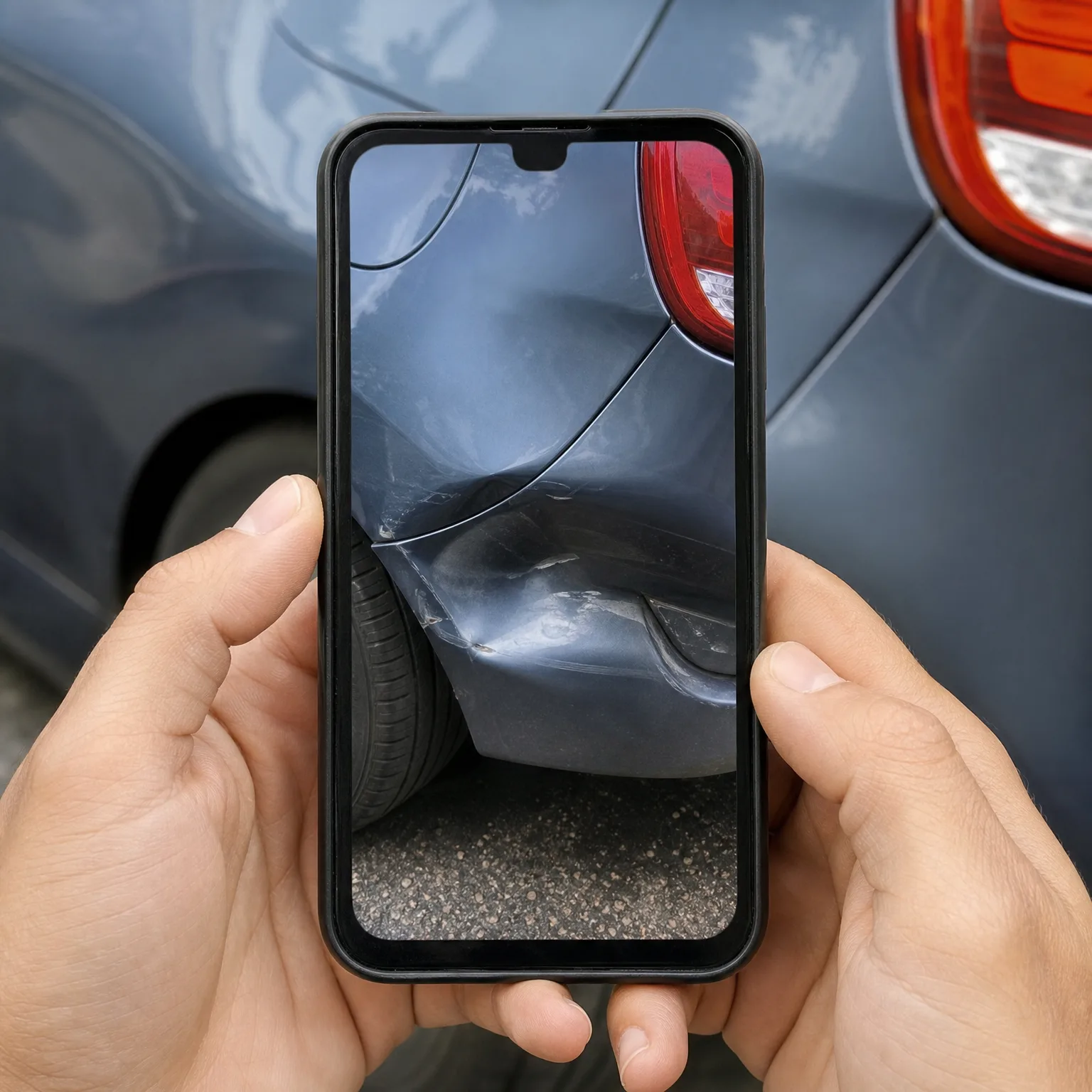
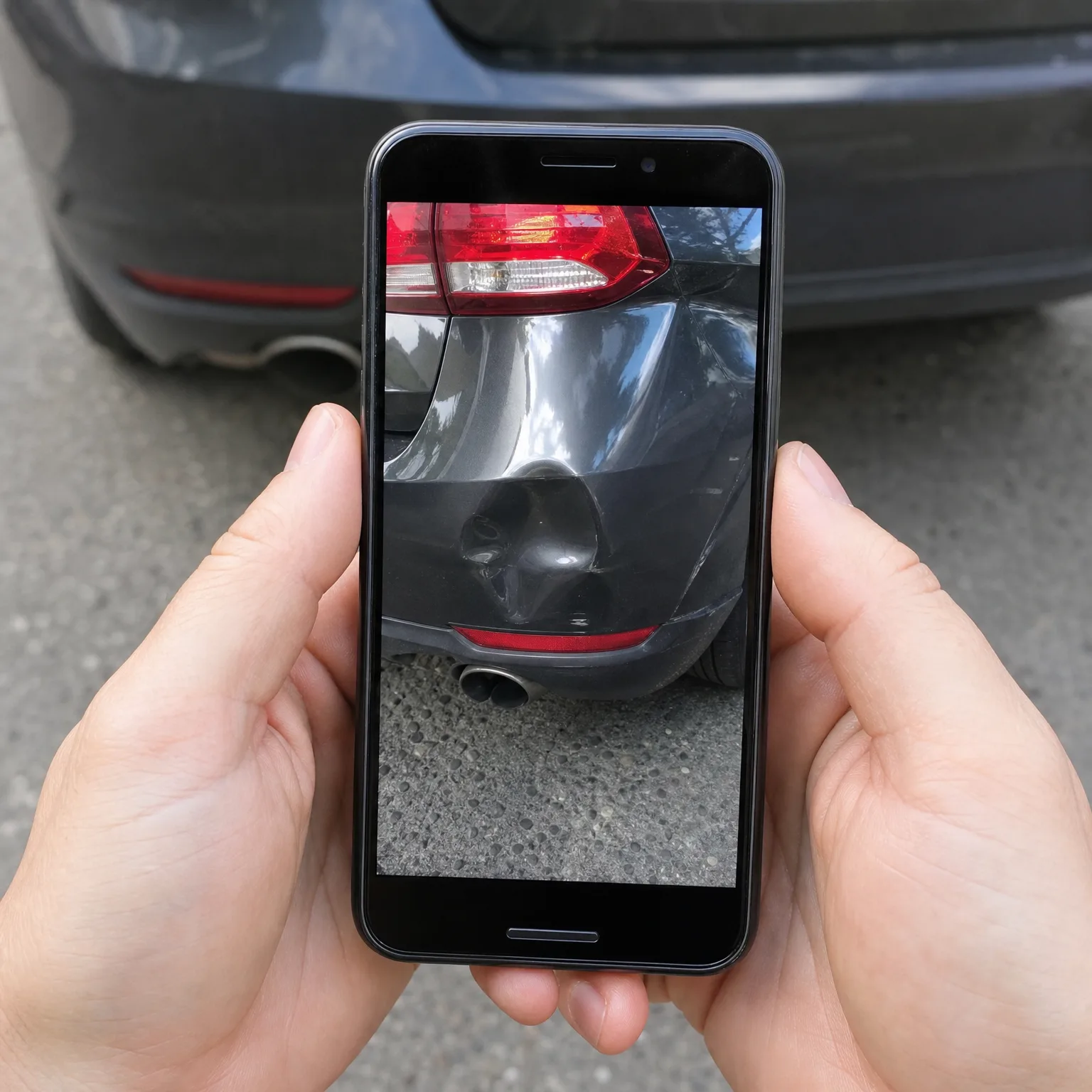
Someone parks their car on the street outside their apartment, like they do every night. In the morning, the rear quarter panel is crushed and there's a trail of paint that isn't theirs. No note, no witness, and the neighbor's doorbell camera didn't catch a plate number. They call the police to file a report, mostly out of habit, not expecting much to come of it.
When they call their insurer, the adjuster asks whether they carry collision coverage. They do, because they'd added it years ago and never dropped it even after paying off the car. The claim moves forward like any other repair claim, they pay their deductible, and the insurer covers the rest. If they'd only carried liability, the adjuster would have had nothing to offer them, since liability only responds when their policyholder causes damage to someone else, not when someone else damages them and disappears.
Why liability alone leaves this gap
Liability insurance exists to protect other people from the damage you cause, not to protect your own car. That's the whole design behind it. When you carry liability only, you're complying with the requirement to pay for others' losses, but you've opted out of any coverage that pays for your own vehicle, no matter who's at fault.
A hit and run flips the usual logic of insurance on its head. Normally, the at-fault driver's liability coverage pays for your damage. But in a hit and run, there's no identified at-fault driver to bill, so that mechanism has nothing to attach to. The only coverages that can step in at that point are the ones attached to your own policy, specifically collision coverage or uninsured motorist property damage coverage, if you carry either.
This is why people who think of liability as "basic coverage" are sometimes surprised by what it doesn't do. It was never meant to protect your car at all, in any scenario, regardless of fault. The confusion usually comes from assuming liability is a smaller version of full coverage, when it's really coverage for an entirely different direction, other people's losses, not yours.
Where this plays out differently is based on what else is on your policy and sometimes on your state's rules around uninsured motorist coverage. Some states require insurers to offer or include it, others leave it optional, and whether it covers property damage versus just injuries varies too. If you're deciding whether to drop collision on an older car, this is the scenario worth checking first, since a hit and run is one of the more common ways an otherwise careful driver ends up with no coverage for their own car.